TL, DR
Parametric design can also be termed as algorithmic design. It is a process in which architects set parameters like rules or algorithms to determine the form, structure, and characteristics of a building or a specific space. Parametric design can ideally be said to be borrowed from the concepts of mathematics and computer science and then applied in the creative process of architects.
Historically, parametric design was developed in the 1960s and 1970s to involve architects and designers using computers to create complex forms. Parametric design, however, did not make its breakthrough until the arrival of powerful computational instruments at the close of the twentieth and beginning of the twenty-first centuries. Frank Gehry and Zaha Hadid, the pioneers of this technology, employed CAD to make complex forms that were otherwise impossible in traditional architecture.
Parametric designs offer several advantages. Firstly, they provide architects with greater creative freedom by allowing them to test various unique design concepts efficiently using parametric design tools. Secondly, parametric design enhances building efficiency by enabling architects to conduct a series of design iterations and assess their feasibility. This process aids in the creation of designs that optimally align with client requirements and needs.
In particular, parametric design has efficiently led to a new concept of architectural aesthetics expressed in the robust forms, the flow, and the dynamism of the shapes. With the help of parametric tools, architects can define different climates and change the required parameters to achieve a higher level of energy efficiency, natural light, fresh air, and general sustainability.
This approach makes it possible to design lightweight structures and parts with high strength capacity that will also act as shock absorbers, requiring less material.
Parametric design is gaining prominence in contemporary architecture due to its many advantages. As technology advances and costs come down, it is likely to become even more prevalent.
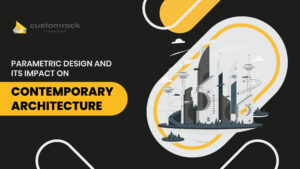
Parametric Design and Its Impact on Contemporary Architecture
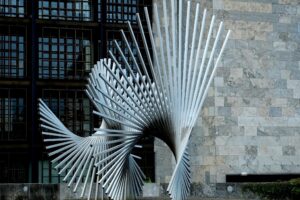
In recent years, architecture has developed a new branch with the help of improvements in computer technology and new design computations. Parametric design is one of the innovations that can be said to have revolutionized the world of contemporary architecture.
Parametric design can also be termed as algorithmic design. It is a process in which architects set parameters like rules or algorithms to determine the form, structure, and characteristics of a building or a specific space.
With the help of this method, architects can design an unlimited number of architectural solutions and develop robust, effective, and quiet artwork in terms of appearance individually which was previously impossible.
In this article, we have covered the aspects of parametric designs and their impacts on contemporary architecture.
What is Parametric Design?
Parametric design can ideally be said to be borrowed from the concepts of mathematics and computer science and then applied in the creative process of architects. Parametric design differs from other forms of design where shapes and forms are predefined; instead, they are a set of variables that can be controlled in all ways.
This data is quantifiable and is restricted to the physical measurement of form in the aspects of size, position, and orientation or procedural requirements for the elements in the design to interface with other elements. This method leads to a design where altering some model components leads to instant changes in the different aspects of the design to achieve an efficient and effective design process.
The impact of new digital modeling tools includes Rhino’s Grasshopper, Autodesk’s Revit, and other tools that have enabled architects to push the boundaries of traditional geometries and embrace organic, fluid, complex forms.
These tools can help develop several algorithms that can help manipulate and manage design details to achieve visually appealing and perhaps more functional and environmental performance characteristics.
Evolutions of Parametric Design in Architecture
Frank Gehry and Zaha Hadid, the pioneers of this technology, employed CAD to make complex forms that were otherwise impossible in traditional architecture.
Many practices have embraced parametric design, but Zaha Hadid Architects is one of the most notable examples of its use in the construction industry; the flowing shapes and waving curves represented in their buildings appear to defy gravity.
The architect used intricate planning systems to control the buildings’ form, particularly the continuum of the flowing waveform, which made the building appear more like sculpture than constructed architecture.
Benefits of Parametric Design
1. Enhanced Creativity and Flexibility
Parametric designs offer fascinating tools for architectural practice. They provide means to develop complex freeform geometries that were never built before. The flexibility of Parametric design tools helps an architect have broader creative freedom, as many unique design ideas can be tested quickly.
2. Optimization and Efficiency
One of the most significant benefits of parametric design is its ability to enhance building efficiency. The tools and techniques of this design enable architects to run through a series of designs on a building and assess the feasibility of its design as far as strength, energy consumption, and material usage are concerned. This increases profitability and results in environmentally responsive building structures with greater efficiency and less wastage.
3. Customization and Personalization
The parametric design provides excellent flexibility. The architect can create a design that best suits a client’s requirements and needs. Architects can always receive specific solutions by applying parameters corresponding to particular historic or geographical territories.
This level of personalization, especially about the shapes of the parts, was much more complicated in the previous design process.
4. Streamlined Workflow
Parametric design tools are widely used in design-build environments, enabling the creation of efficient designs that optimize the entire construction process. When modifications are made to a parametric model, they are automatically reflected throughout the design, minimizing errors and ensuring consistency.
Impact on Contemporary Architecture
Parametric design has influenced the look and development of contemporary architecture on a large scale. The development of parametric design has recently taken the center place and is revolutionizing architectural design, construction, and even the conceptualization of the architectural space. Several key impacts of parametric design on contemporary architecture include:
Aesthetic Innovation
In particular, parametric design has efficiently led to the emergence of a new concept of architectural aesthetics expressed in the robust forms, the flow, and the dynamism of the shapes. The construction created with parametric methods seems to have a more analog and less digital look than traditional ones, allowing for a closer harmonization of architecture and nature.
One of the most significant characteristics of this new aesthetic is seen in the Harbin Opera House building in China, designed by MAD Architects, where the design of the building follows the curves and waves of the natural landscape.
Environmental Performance
With the help of parametric tools, architects can define different climates and change the required parameters to achieve a higher level of energy efficiency, natural light, fresh air, and general sustainability.
For instance, the Al Bahar Towers in Abu Dhabi incorporate a parametric façade system that navigates with sunlight, thus helping to reduce solar heat influx and increase energy savings.
Structural Innovation
Through this approach, engineers can create lightweight structures and components with exceptional strength and shock absorption capabilities, minimizing material usage.
Frei Otto’s pioneering work in designing tensile and lightweight structures laid the foundation for advancements in design parameters, leading to even more optimized and efficient structures.
Collaborative Design Processes
Parametric design facilitates cooperation and integration among architects, engineers, and other stakeholders.
Parametric models, characterized by their flexibility and enhanced compatibility for exchange and modification, promote improved interfacing. This enables all designers to contribute to the design process, leading to a more refined and optimized end product.
Challenges and Future of Parametric Design in Contemporary Architecture
While parametric design has many benefits, it also has drawbacks and critics. One major drawback is that it results in complicated shapes, which may be pretty but less practical in their application.
Some critics have also pointed out that the application of parametric design tools leads to the form-finding design philosophy, which in many cases creates aesthetic value rather than considering the users’ needs in terms of comfort and climate.
Considering all the benefits, impacts, and drawbacks of parametric design in contemporary architecture, what was observed is that it is likely to become even more salient in the field of architecture as technology progresses and becomes cheaper.
With the help of AI and machine learning being parametric tools, additional levels of optimization and further customization could be added to the design process.
Final Thoughts
In conclusion, parametric design is a revolution in modern architecture. It offers a new form of approach to catering to the needs of this modern era, being relatively flexible, efficient, and innovative.
Though there are limitations, it is clear that parametric design provides architects with more creative freedom by being more efficient and, at the same time, environmentally sustainable.
With the advancement of technology, it is for sure that the role of parametric design will expand more and more in characterizing the future of the built environment.