TL, DR
With the rapid evolution in the construction industry, we have discovered many innovative construction techniques for modern buildings. These can help them make resilient, sustainable, and aesthetic.
Read below to discover ten of the most innovative construction techniques for modern buildings.
Modular construction is the technology where components and parts of the building are constructed off-site in a factory and transported to the site.
This Technique involves building small components, which means no significant errors are made, and if errors are made, they are corrected early and changed quickly.
3D Printing has revolutionized the architecture and construction industry, enabling architects to build even very risky and complex structures with precision and speed.
Cross-laminated timber (CLT) is an eco-friendly building material made with layers of wood panels in opposite directions, which creates a strong yet lightweight material.
Kinetic facades are the exteriors used in construction that can adjust to environmental changes. These facades can change shape to control heat, air, or rainwater. Additionally, Bamboo provides the same results as steel, with the additional benefit of reducing costs and environmental footprints.
Green roofs and walls incorporate vegetation and calmness in the building design in many ways. This green appeal attracts more people to the building as most prefer being close to nature or its attributes.
Advanced drones are now widely used in the construction industry before starting projects. These drones are used for site inspection, surveys, and bricklaying.
This technology is primarily used to ensure that the site is safe for laborers to work on and to include electronics and robots where a dangerous task is to be performed.
BIM allows the architects, clients, and other parties to have a clear view of the project and collaborate on a single platform to make reforms and changes in the design before it is too late.
Self-healing concrete has active agents and substances that prevent cracking and extend its lifespan.
As the water enters the cracks, the agents seal the fissure and make it seem new again. If used in construction, these methods can revolutionize the overall construction industry.
10 Innovative Construction Techniques for Modern Buildings
As the pace of modernity increases, the need for more sustainable and energy-efficient architecture has also grown. It is imperative to respond to these needs as soon as possible.
Architects have developed numerous architectural designs to cater to this global need, leading to design innovation.
The need occurs not only because of old designs but also because of inefficient material use, low energy efficiency, non-reusability of material, and extreme waste. This has led to increasing climate-changing patterns and exploitation of nature.
With the rapid evolution in the construction industry, we have discovered many innovative construction techniques for modern buildings, making them resilient, sustainable, and aesthetic.
Read below to discover ten of the most innovative construction techniques for modern buildings.
1. Modular Construction
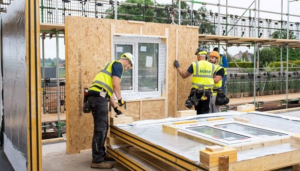
Modular construction is the technology where components and parts of the building are constructed off-site in a factory and transported to the site.
This Technique involves building small components, which means no significant errors are made and, if made, are rectified early and altered easily.
It is also used because of the time and material-saving element attached to it. Modular construction techniques also enable customization at every stage of construction.
Due to its flexibility, it is often used in residential buildings to adapt to the needs and comforts of the residents.
2. 3D Printing
3D Printing has revolutionized the architecture and construction industry, enabling architects to build even very risky and complex structures with precision and speed. 3D Printing can make small parts of even immense complex structures layer by layer using plastic, concrete, or other materials.
This method has been highly appreciated by architects globally as it reduces material wages, efficiently allocates resources with low labor costs, and even provides exceptional functional and aesthetic designs.
3. Cross-Laminated Timber
You must have heard of timber itself, but cross-laminated timber is something you might have yet to hear of. Cross-laminated timber (CLT) is an eco-friendly building material made with layers of wood panels in opposite directions, which creates a strong yet lightweight material.
Cross-laminated timber is not only eco-friendly but also used for fire resistance, seismic performance, and thermal insulation. It is now a widely used material in the construction industry, mainly in multi-story buildings, and helps provide a sustainable alternative to steel and concrete.
4. Kinetic Facades
Kinetic facades are exteriors used in construction that can adjust to environmental changes. They can change shape to control heat, air, or rainwater. Rotating panels and shading devices are the most widely used examples of kinetic facades.
These facades are designed to provide the utmost comfort to the occupants and control temperature and ventilation in the space, making it cozy and livable. They are also used to infuse the space with aesthetic appeal.
5. Smart Glass
We must have heard,” modern problems require modern solutions.” Smart glass is such an innovation based on today’s situation. We usually prefer less heat or air from a glass window in our room or any space.
Smart glass, or electronic glass, solves this problem by controlling its opacity with electric signals. This technology puts the entire control in the hands of the occupants and allows the increase or decrease of light and air entering the space. It also increases the privacy and working efficiency of the occupants.
6. Bamboo Reinforcement
Nature has provided us with many alternatives for all artificial, friendly, and resilient creations: bamboo is eco-friendly and can be used in construction instead of excessive steel enforcement. In the areas where bamboo is found in large quantities, architects use it instead of steel in concrete structures.
It provides the same results as steel, with the additional benefit of reducing costs and environmental footprints. Using such eco-friendly materials in architecture inspires professionals to use more of them and make the construction industry more sustainable.
7. Green Roofs and Walls
Green walls and roofs are highly beneficial with every area’s increasing need for ventilation, sustainability, and greenery. Green roofs and walls incorporate vegetation and calmness in the building design in many ways. These green roofs and walls are not just for the aesthetic appeal of the building, but they are also helpful in increasing insulation properties, reducing excessive heat, managing stormwater, improving the air quality, and making it breathable for the residents.
This green appeal attracts more people to the building, as most prefer being close to nature or its attributes. Vertical plantation is also an easily approachable method of increasing the building’s natural effect.
8. Advanced Drones and Robotics
Introducing robotics in architecture has proved to be one of the best aids for architects. Advanced drones are now widely used in the construction industry before starting a project. These drones are used for site inspection, surveys, and bricklaying.
This technology is primarily used to ensure that the site is safe for the laborers and to include electronics and robots where a dangerous task is to be performed.
Robotics also expedites the construction process and makes fewer errors than manual labor. During the project, drones provide progress reports to the architects and clients, as well as 3D maps and other data, making it easy to make decisions about the next steps.
9. Building Information Modelling (BIM)
BIM, or Building Information Modelling, refers to presenting a virtual model of the building in progress. That model provides a prior sketch of how the building will look, including all its aspects, from rooms to insulation head to toe. By representing the virtual features of the physical and functional structure,
BIM allows the architects, clients, and other parties to have a clear view of the project and collaborate on a single platform to make reforms and changes in the design before it is too late. This technology helps reduce errors and costs incurred in rectifying those errors and leads to more cost-efficient and sustainable designs.
10. Self-Healing Concrete
Concrete is one of the main materials used in the construction industry globally. However, because it is prone to cracks due to leakage, shrinkage, erosion, or any other event, its lifespan is relatively short. Self-healing concrete has been introduced to address this issue, as it has active agents and substances that prevent cracking and extend its lifespan.
As the water enters the cracks, the agents seal the fissure and make it seem new again. This innovation, if used in buildings, can save a good amount that would otherwise be incurred over and over for the repair work of the cracks in concrete, and it also increases the durability of the building.
Modern buildings need modern building techniques to meet people’s standards. These modern techniques are used not just to increase the aesthetics of the building but also to control the adverse environmental impacts and make it resilient in response to extreme climate change.