Parametric Design and Its Impact on Contemporary Architecture

TL, DR


Parametric design can also be termed as algorithmic design. It is a process in which architects set parameters like rules or algorithms to determine the form, structure, and characteristics of a building or a specific space. Parametric design can ideally be said to be borrowed from the concepts of mathematics and computer science and then applied in the creative process of architects.


Historically, parametric design was developed in the 1960s and 1970s to involve architects and designers using computers to create complex forms. Parametric design, however, did not make its breakthrough until the arrival of powerful computational instruments at the close of the twentieth and beginning of the twenty-first centuries. Frank Gehry and Zaha Hadid, the pioneers of this technology, employed CAD to make complex forms that were otherwise impossible in traditional architecture.


Parametric designs offer several advantages. Firstly, they provide architects with greater creative freedom by allowing them to test various unique design concepts efficiently using parametric design tools. Secondly, parametric design enhances building efficiency by enabling architects to conduct a series of design iterations and assess their feasibility. This process aids in the creation of designs that optimally align with client requirements and needs.


In particular, parametric design has efficiently led to a new concept of architectural aesthetics expressed in the robust forms, the flow, and the dynamism of the shapes. With the help of parametric tools, architects can define different climates and change the required parameters to achieve a higher level of energy efficiency, natural light, fresh air, and general sustainability.


This approach makes it possible to design lightweight structures and parts with high strength capacity that will also act as shock absorbers, requiring less material.


Parametric design is gaining prominence in contemporary architecture due to its many advantages. As technology advances and costs come down, it is likely to become even more prevalent.


Parametric Design and Its Impact on Contemporary Architecture
In recent years, architecture has developed a new branch with the help of improvements in computer technology and new design computations. Parametric design is one of the innovations that can be said to have revolutionized the world of contemporary architecture.


Parametric design can also be termed as algorithmic design. It is a process in which architects set parameters like rules or algorithms to determine the form, structure, and characteristics of a building or a specific space.


With the help of this method, architects can design an unlimited number of architectural solutions and develop robust, effective, and quiet artwork in terms of appearance individually which was previously impossible.


In this article, we have covered the aspects of parametric designs and their impacts on contemporary architecture.


What is Parametric Design?


Parametric design can ideally be said to be borrowed from the concepts of mathematics and computer science and then applied in the creative process of architects. Parametric design differs from other forms of design where shapes and forms are predefined; instead, they are a set of variables that can be controlled in all ways.


This data is quantifiable and is restricted to the physical measurement of form in the aspects of size, position, and orientation or procedural requirements for the elements in the design to interface with other elements. This method leads to a design where altering some model components leads to instant changes in the different aspects of the design to achieve an efficient and effective design process.


The impact of new digital modeling tools includes Rhino’s Grasshopper, Autodesk’s Revit, and other tools that have enabled architects to push the boundaries of traditional geometries and embrace organic, fluid, complex forms.


These tools can help develop several algorithms that can help manipulate and manage design details to achieve visually appealing and perhaps more functional and environmental performance characteristics.


Evolutions of Parametric Design in Architecture


Frank Gehry and Zaha Hadid, the pioneers of this technology, employed CAD to make complex forms that were otherwise impossible in traditional architecture.


Many practices have embraced parametric design, but Zaha Hadid Architects is one of the most notable examples of its use in the construction industry; the flowing shapes and waving curves represented in their buildings appear to defy gravity.


The architect used intricate planning systems to control the buildings’ form, particularly the continuum of the flowing waveform, which made the building appear more like sculpture than constructed architecture.


Benefits of Parametric Design


1.    Enhanced Creativity and Flexibility


Parametric designs offer fascinating tools for architectural practice. They provide means to develop complex freeform geometries that were never built before. The flexibility of  Parametric design tools helps an architect have broader creative freedom, as many unique design ideas can be tested quickly.


2.    Optimization and Efficiency


One of the most significant benefits of parametric design is its ability to enhance building efficiency. The tools and techniques of this design enable architects to run through a series of designs on a building and assess the feasibility of its design as far as strength, energy consumption, and material usage are concerned. This increases profitability and results in environmentally responsive building structures with greater efficiency and less wastage.


3.    Customization and Personalization


The parametric design provides excellent flexibility. The architect can create a design that best suits a client’s requirements and needs. Architects can always receive specific solutions by applying parameters corresponding to particular historic or geographical territories.


This level of personalization, especially about the shapes of the parts, was much more complicated in the previous design process.


4.    Streamlined Workflow


Parametric design tools are widely used in design-build environments, enabling the creation of efficient designs that optimize the entire construction process. When modifications are made to a parametric model, they are automatically reflected throughout the design, minimizing errors and ensuring consistency.


Impact on Contemporary Architecture


Parametric design has influenced the look and development of contemporary architecture on a large scale. The development of parametric design has recently taken the center place and is revolutionizing architectural design, construction, and even the conceptualization of the architectural space. Several key impacts of parametric design on contemporary architecture include:


Aesthetic Innovation


In particular, parametric design has efficiently led to the emergence of a new concept of architectural aesthetics expressed in the robust forms, the flow, and the dynamism of the shapes. The construction created with parametric methods seems to have a more analog and less digital look than traditional ones, allowing for a closer harmonization of architecture and nature.


One of the most significant characteristics of this new aesthetic is seen in the Harbin Opera House building in China, designed by MAD Architects, where the design of the building follows the curves and waves of the natural landscape.


Environmental Performance


With the help of parametric tools, architects can define different climates and change the required parameters to achieve a higher level of energy efficiency, natural light, fresh air, and general sustainability.


For instance, the Al Bahar Towers in Abu Dhabi incorporate a parametric façade system that navigates with sunlight, thus helping to reduce solar heat influx and increase energy savings.


Structural Innovation


Through this approach, engineers can create lightweight structures and components with exceptional strength and shock absorption capabilities, minimizing material usage.


Frei Otto’s pioneering work in designing tensile and lightweight structures laid the foundation for advancements in design parameters, leading to even more optimized and efficient structures.


Collaborative Design Processes


Parametric design facilitates cooperation and integration among architects, engineers, and other stakeholders.


Parametric models, characterized by their flexibility and enhanced compatibility for exchange and modification, promote improved interfacing. This enables all designers to contribute to the design process, leading to a more refined and optimized end product.


Challenges and Future of Parametric Design in Contemporary Architecture


While parametric design has many benefits, it also has drawbacks and critics. One major drawback is that it results in complicated shapes, which may be pretty but less practical in their application.


Some critics have also pointed out that the application of parametric design tools leads to the form-finding design philosophy, which in many cases creates aesthetic value rather than considering the users’ needs in terms of comfort and climate.


Considering all the benefits, impacts, and drawbacks of parametric design in contemporary architecture, what was observed is that it is likely to become even more salient in the field of architecture as technology progresses and becomes cheaper.


With the help of AI and machine learning being parametric tools, additional levels of optimization and further customization could be added to the design process.


Final Thoughts

In conclusion, parametric design is a revolution in modern architecture. It offers a new form of approach to catering to the needs of this modern era, being relatively flexible, efficient, and innovative.


Though there are limitations, it is clear that parametric design provides architects with more creative freedom by being more efficient and, at the same time, environmentally sustainable.


With the advancement of technology, it is for sure that the role of parametric design will expand more and more in characterizing the future of the built environment.
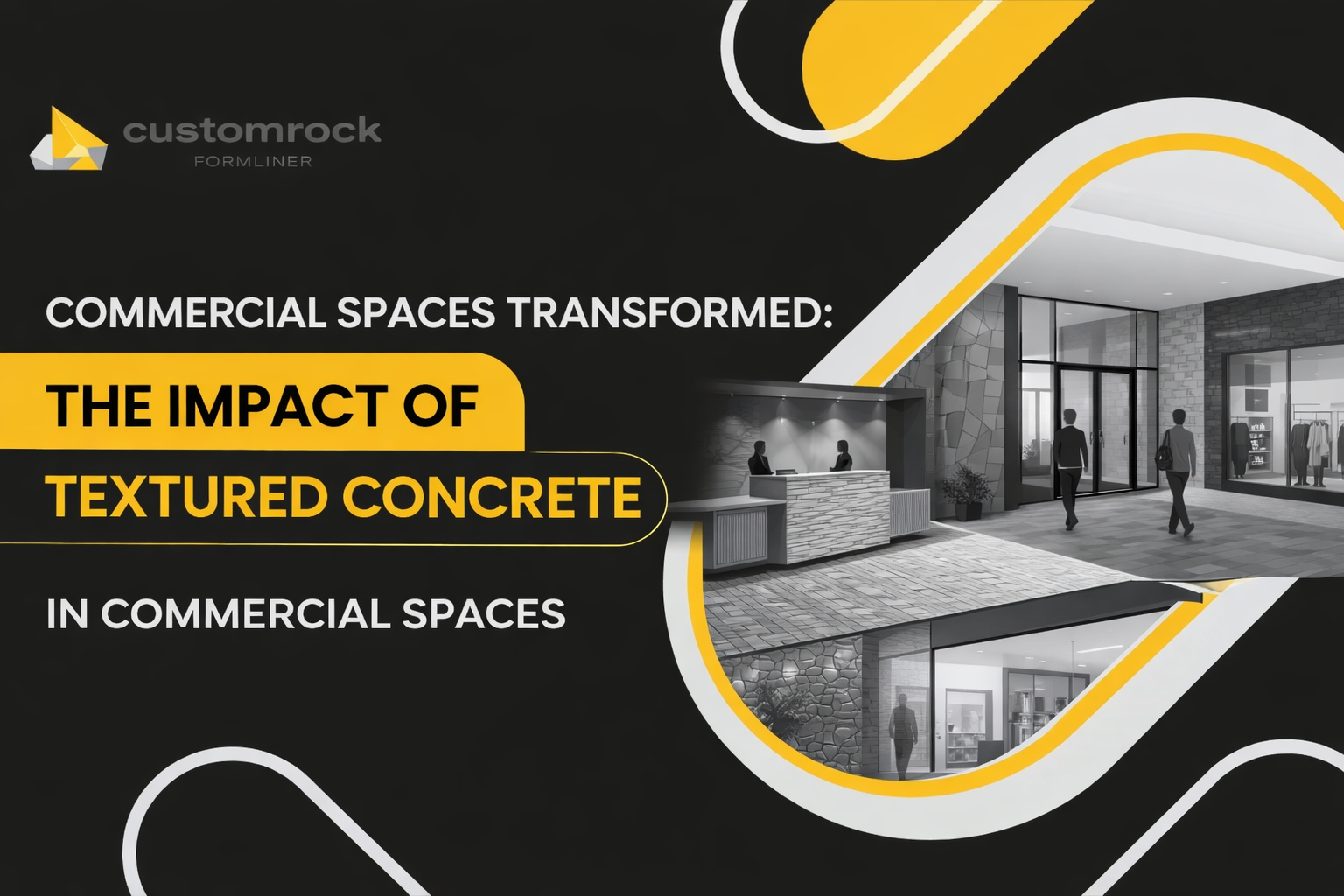
 

Commercial Spaces Transformed: The Impact of Textured Concrete

Textured concrete in commercial spaces is reshaping how modern buildings are designed, constructed, and experienced. As commercial developers, architects, and business owners look for materials that deliver long-term value, textured concrete stands out for its durability, versatility, and aesthetic appeal. At Custom Rock, we recognize how surface texture and thoughtful design contribute to the overall performance of commercial environments. This article explores the role of decorative and textured concrete across retail spaces, office buildings, hospitality settings, and public areas, highlighting how these surfaces enhance customer experience and elevate architectural design.

Understanding Textured Concrete in Commercial Design

Textured concrete is created using patterns, reliefs, or embossed surfaces applied during the forming process. Unlike smooth concrete, textured finishes add depth and visual interest. They can replicate the appearance of stone, wood, brick, geometric forms, or custom-designed patterns. This flexibility makes textured concrete a popular choice in commercial buildings where visual identity and long-term durability matter.

Decorative and textured concrete blends form and function. It supports architectural themes while offering the strength necessary for high-traffic areas. Retail storefronts, corporate lobbies, hospitality venues, and public walkways all benefit from the design versatility textured concrete provides.

Common Types of Textured Finishes

  • Stamped concrete
  • Formliner concrete
  • Exposed aggregate
  • Sandblasted textures
  • Polished concrete with embedded patterns

Where It Works Best

  • Storefronts and shopping plazas
  • Office building entrances
  • Restaurant interiors and terraces
  • Hotel lobbies and outdoor courtyards
  • Transit centers, sidewalks, and public plazas

The Benefits of Textured Concrete in Commercial Spaces

Textured concrete enhances commercial spaces in multiple ways, offering advantages that extend beyond visual impact.

Aesthetic Versatility

Commercial buildings increasingly rely on strong visual elements to create memorable spaces. Textured concrete supports a wide range of design styles by imitating natural materials or offering custom relief designs. Through the extensive formliner selection at the Custom Rock pattern library, developers can choose patterns that match the brand identity and architectural theme of the building.

Strength and Durability

High-traffic areas require materials that withstand constant use without frequent repair. Textured concrete offers excellent durability, helping surfaces resist wear, weather, and daily foot traffic. It maintains structural integrity over time, reducing long-term maintenance costs, and keeping commercial environments looking well cared for.

Improved Safety

Slip resistance is a critical consideration in commercial design. Textured surfaces help reduce the risk of slips and falls, especially outdoor walkways, entrances, and areas exposed to moisture. This makes textured concrete an important element in creating safe, accessible commercial environments.

Enhanced Customer Experience

Textured concrete contributes to a welcoming environment. Its visual depth, tactile appeal, and ability to create defined pathways improve how customers navigate and experience the space. Whether it is the entrance to a retail store or the lobby of an office building, textured surfaces contribute to a positive impression.

Textured Concrete in Retail Spaces

Retail environments depend on strong visual themes and durable materials. Textured concrete helps retailers create an inviting and efficient space that supports both customer engagement and functional needs.

Retail Design Advantages

  • Reinforces branding through custom patterns and finishes
  • Handles heavy foot traffic throughout the day
  • Enhances lighting effects by adding dimension to surfaces
  • Improves customer flow with textured pathways
  • Offers a strong indoor-outdoor visual connection

Applications in Retail Environments

Retail Area Ideal Textured Use Benefits
Storefronts Decorative formliners Enhances curb appeal and branding
Aisles Slip-resistant textures Improves safety and movement
Display zones Patterned concrete Enhances visual presentation
Outdoor walkways Stamped or stone-like textures Performs well in weather conditions
Seating and food court areas Subtle geometric textures Defines zones without physical dividers

Retail settings benefit greatly from textured concrete because it supports both functional performance and customer-centered design. It also eliminates the need for additional surface materials such as tiles, pavers, or exterior cladding.

Textured Concrete in Office Buildings

Modern office spaces aim for professionalism, clarity, and a comfortable atmosphere. Textured concrete aligns with these goals by offering visually refined and long-lasting finishes.

Visual and Structural Benefits

Textures resembling stone, architectural patterns, or geometric reliefs create a polished aesthetic throughout corporate interiors. This strengthens the company’s visual identity and supports a more cohesive design. At the same time, textured concrete withstands daily traffic without showing signs of wear, especially in areas like lobbies, corridors, and meeting rooms.

Popular Texture Choices for Office Spaces

  • Linear grooves
  • Stone-like reliefs
  • Modern abstract patterns
  • Repetitive geometric structures

These textures can be tailored to complement architectural elements and support the flow of an office environment. The pattern options available at Custom Rock Patterns offer solutions for nearly any professional space.

How Textured Concrete Improves Customer Experience

Textured concrete contributes significantly to user comfort and overall experience within commercial buildings.

Visual Comfort and Warmth

Large commercial surfaces can feel plain or cold if left untextured. Adding patterns introduces warmth and visual interest, making spaces feel more inviting. This improves customer comfort in shopping centers, restaurants, hotels, and office buildings.

Clear Wayfinding

Texture variations can guide visitors intuitively through large environments without relying on excessive signage. This is useful in malls, corporate campuses, transit stations, and public plazas.

Safety and Accessibility

Textured surfaces increase traction and stability, helping businesses create safer, more inclusive spaces for all users.

Acoustic Improvement

Relief patterns and textured surfaces can help reduce noise levels in large open areas like atriums, food courts, and lobbies.

Choosing the Right Textured Concrete Patterns

Selecting an appropriate texture requires thoughtful consideration of the building’s purpose and style.

Key Considerations

  • Architectural style
  • Brand identity
  • Expected traffic levels
  • Indoor or outdoor location
  • Maintenance requirements

Formliners provide precise, high-impact textures that replicate natural materials or create custom designs. These patterns are ideal for commercial spaces looking to make a strong visual statement while maintaining longevity. The full range of options is available in the Custom Rock Concrete Patterns collection.

Sustainability Benefits of Textured Concrete

Sustainability is an essential part of modern commercial design, and textured concrete supports environmentally conscious building strategies.

Thermal Efficiency

Concrete’s natural thermal mass helps regulate indoor temperatures, reducing energy usage for heating and cooling.

Reduced Material Use

Because decorative concrete can replicate stone, tile, or wood, it reduces the need for additional finishing materials, lowering environmental impact and installation costs.

Long-Service Life

The longevity of textured concrete reduces the need for frequent replacements, helping businesses reduce waste over time.

Low Maintenance Requirements

Routine cleaning is typically sufficient to maintain appearance and performance, minimizing the need for chemical treatments or specialized upkeep.

Applications in Real Commercial Environments

Textured concrete has proven valuable in a wide range of industries.

Retail and Hospitality

Brands use textured walkways, accent walls, serving areas, and outdoor terraces to create immersive environments that support customer engagement.

Corporate Offices

Textured lobby walls, elevator areas, boardrooms, and exterior façades help establish a professional and sophisticated look.

Public and Civic Facilities

Transit hubs, municipal buildings, school campuses, and healthcare centers rely on textured concrete for durability, safety, and clear navigation.

Conclusion

Textured concrete in commercial spaces offers a strong combination of durability, aesthetic flexibility, and improved user experience. At Custom Rock, we understand the importance of combining design and function in commercial environments. Incorporating decorative textures into retail spaces, office buildings, and public areas not only elevates the visual appeal of the space but also enhances performance, sustainability, and long-term value. For commercial developers and business owners seeking resilient and attractive materials, textured concrete provides a dependable and impactful solution.

Learn more about textured concrete solutions or begin your next commercial project by visiting our Contact Us page.

FAQs

1. What is textured concrete?

Textured concrete is concrete shaped or patterned to create visual depth, improved traction, and enhanced design appeal.

2. Why is textured concrete used in commercial buildings?

It provides durability, slip resistance, longevity, and design flexibility, making it ideal for areas with high foot traffic.

3. Does decorative concrete work well outdoors?

Yes. Textured concrete performs well in outdoor conditions and resists weather, moisture, and temperature changes.

4. How do I choose the right pattern?

Consider building style, foot traffic, brand identity, and maintenance capacity to select the most suitable texture.

5. How much maintenance does textured concrete require?

Maintenance is generally low and includes routine cleaning and occasional inspections to maintain surface quality.

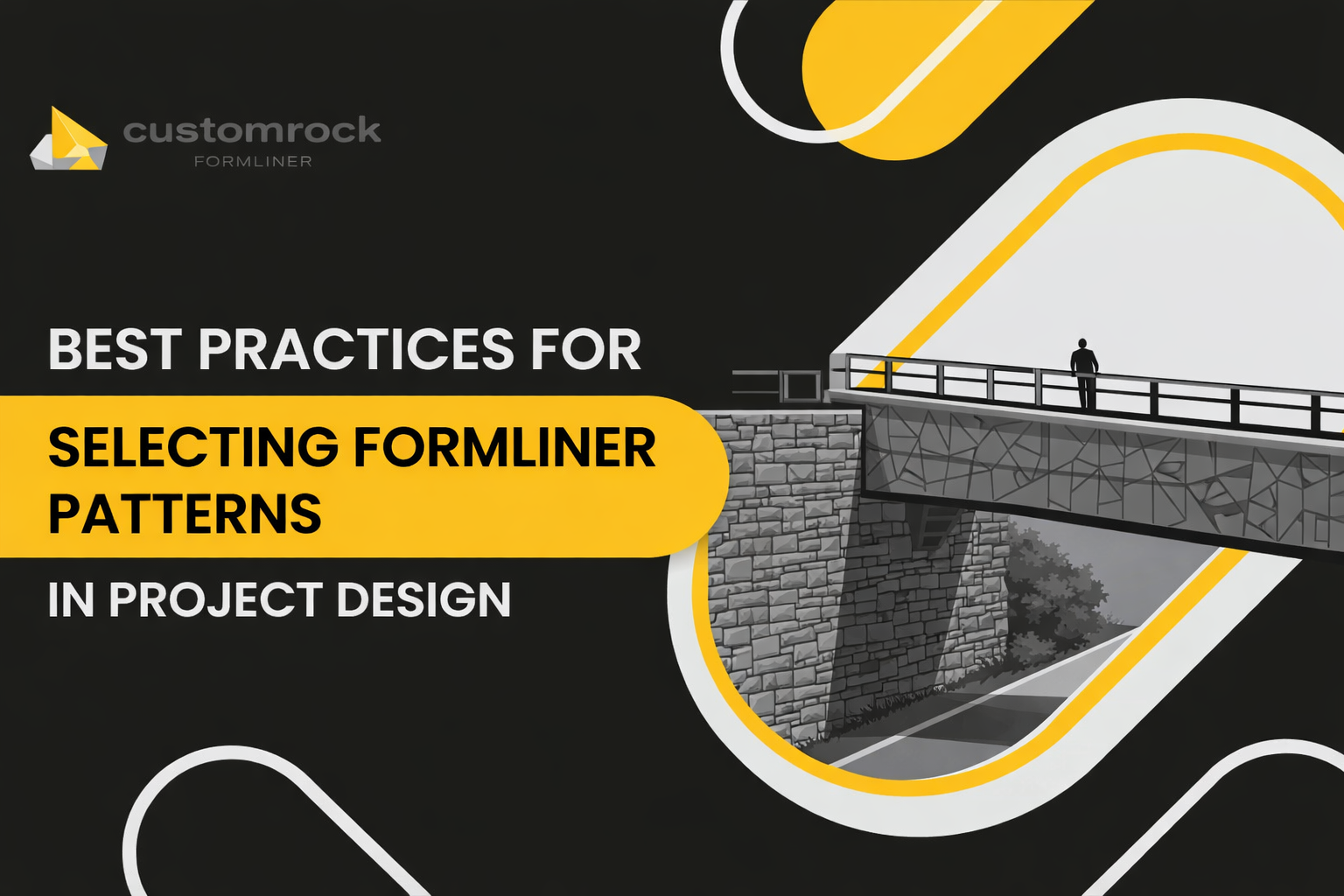
Best Practices for Selecting Formliner Patterns

Choosing the right surface textures can transform an ordinary concrete wall into a visually compelling architectural feature. In this guide, we at Custom Rock walk you through the best practices for selecting formliner patterns, ensuring your project meets both functional requirements and aesthetic aspirations. Whether you’re designing a bridge, streetscape, civic building, or retaining wall, choosing the right formliner can elevate the final result while staying aligned with project goals.

Selecting formliner patterns is one of the most important design decisions in concrete construction. The right pattern enhances visual identity, improves user experience, and helps achieve long-term durability. At Custom Rock, we help architects, designers, and project managers navigate the wide range of available textures and materials so they can make informed choices that support both design and performance goals. This comprehensive guide explains everything you need to know about selecting formliner patterns, from understanding technical requirements to evaluating aesthetics and material compatibility.

Understanding Formliner Patterns

Before selecting a pattern, it’s helpful to understand what formliners are and how they impact the final concrete surface.
Formliners are textured sheets placed inside the concrete formwork to imprint a pattern onto the cured concrete. They are widely used across architectural, civil, and infrastructure projects to mimic natural materials, convey cultural elements, or create modern geometric designs.

Why Use Formliner Patterns?

Formliners offer key benefits such as:

  • Achieving high-end textures without the high cost of natural materials
  • Enhancing architectural storytelling and branding
  • Reducing long-term maintenance associated with veneers
  • Improving the visual integration of structures into their surroundings

Common Categories of Formliner Patterns

Design teams can choose from an extensive range of patterns, including:

  • Stone and rock textures
  • Woodgrain patterns
  • Brick and masonry
  • Abstract geometric designs
  • Ribbed and linear textures
  • Custom artistic or branded patterns

For inspiration, explore the Concrete Formliner Pattern Library, which showcases a range of ready-to-use designs.

Key Considerations When Selecting Formliner Patterns

Choosing the right pattern requires a balance of aesthetic goals, project requirements, and construction practicalities.
Below are the core considerations we should evaluate during the decision-making process.

Project Requirements: Matching Performance With Purpose

Every architectural or civil project comes with performance and regulatory expectations. The formliner pattern must be aligned with the project’s purpose and conditions.

1. Environmental and Site Conditions

Exposure to sunlight, moisture, freeze-thaw cycles, airborne pollution, or high traffic can influence which patterns hold up best over time.

For example:

  • Deep textures may hide stains better
  • Shallow textures may suit sheltered indoor environments
  • Urban projects may benefit from anti-graffiti coatings applied to textured surfaces

2. Structural Requirements

Certain patterns may require:

  • Modified formwork
  • Adjusted reinforcement placement
  • Additional vibration to ensure full texture capture

Selecting a highly detailed pattern without planning for structural needs can lead to inconsistent results.

3. Maintenance Considerations

Teams should ask:

  • Will the texture trap dirt or moisture?
  • Will the surface require periodic washing?
  • Is the client prepared for ongoing maintenance?

Larger-scale civic projects, for instance, often prefer moderate textures that are easier to maintain long-term.

4. Regulatory and Code Compliance

Transportation departments, municipalities, and public agencies often have specific aesthetic or performance requirements.
Early coordination ensures your selected pattern:

  • Meets texture depth requirements
  • Avoids sharp protrusions
  • Ensures structural safety
  • Complies with visibility or tactile standards

Meeting standards early saves time during approvals.

Aesthetic Goals: Achieving the Desired Visual Impact

Beyond performance, aesthetics play a key role in selecting formliner patterns. Choosing the right texture strengthens the design narrative and enhances user interaction.

1. Harmony With Surroundings

A well-chosen pattern can help a structure:

  • Blend into a natural landscape
  • Complement nearby buildings
  • Reflect local cultural themes

Stone textures work well in parks or nature trails, while geometric patterns fit modern urban districts.

2. Pattern Scale and Viewing Distance

Pattern scale dramatically affects perception.

  • Pedestrian-scale projects: benefit from fine, intricate textures
  • Highway or large façade projects: require deeper or larger patterns for visual clarity
  • Public plazas: may use a mix of scales for artistic effect

The wrong pattern scale can make a structure feel visually heavy or overly busy.

3. Texture Depth and Shadow Play

Textures can influence how light interacts with surfaces:

  • Deep textures create dramatic shadows
  • Moderate textures add detail without overpowering the design
  • Shallow textures offer subtle, refined finish

Your desired shadow effect should guide your selection.

4. Cultural and Artistic Intent

For artistic or community-focused projects, custom patterns may be ideal.
Patterns can incorporate:

  • Historic motifs
  • Local plant imagery
  • Wayfinding symbols
  • Community artwork

Custom Rock offers extensive options in the formliner pattern categories to support these designs.

Material Compatibility and Technical Factors

Matching the pattern to the right materials is essential for achieving precise, consistent, high-quality results.

1. Concrete Mix Design

The mix directly influences how well the texture is captured:

  • Mixes with smaller aggregate allow finer detail
  • Higher slump may fill deep textures more effectively
  • Admixtures affect curing and accuracy

Workability and viscosity matter more when the pattern contains fine lines or tight crevices.

2. Formliner Material Selection

Two primary types of formliner materials are used:

Single-use Plastic Liners

Best for:

  • Short-term or low-budget projects
  • Simple textures
  • Limited repetition

Multi-use Elastomeric Liners

Best for:

  • Repeated pours
  • High-detail textures
  • Large-scale civil projects

They offer superior longevity and detail retention.

3. Repetition Requirements

Durability of the formliner is key when:

  • The project requires multiple pours
  • Panel sizes vary
  • The same pattern must appear on multiple structures

Elastomeric liners ensure consistency throughout repeat usage.

4. Installation Practicalities

Installation considerations include:

  • Alignment needs
  • Seam visibility
  • Formwork capability
  • Onsite handling conditions

Misalignment is especially noticeable in linear or geometric textures.

Comparing Different Types of Formliner Patterns

Formliner Pattern Comparison Table

Pattern Type Ideal Applications Strengths Considerations
Stone Textures Parks, retaining walls Natural appearance Requires careful concrete mix
Woodgrain Architectural façades Warm, organic look May show wear without sealant
Masonry/Brick Urban projects Classic uniformity Must align perfectly
Ribbed/Linear Modern buildings Clean and minimal Misalignment very visible
Abstract/Geometric Art walls, modern districts Bold and contemporary Needs precision formwork
Custom Designs Cultural/art installations Fully unique, branded Higher cost and longer lead time

Workflow for Selecting the Right Formliner Pattern

We recommend following a structured workflow to make the best choice for your project.

1. Define the Project Intent

Gather the project team to clarify:

  • Structural goals
  • Aesthetic objectives
  • Environmental conditions
  • Long-term maintenance expectations

2. Explore Options in a Pattern Library

Review multiple patterns, materials, sizes, and textures in the Concrete Formliner Pattern Library.

3. Compare Shortlisted Patterns

Consider:

  • Visual impact
  • Texture depth
  • Installation demands
  • Budget and timeline

4. Assess Material Compatibility

Ensure that your concrete mix and casting method support the pattern detail.

5. Create a Sample or Mockup Panel

A mockup:

  • Validates the chosen pattern
  • Tests color and finish combinations
  • Helps stakeholders visualize the result

6. Finalize Selection and Document Specifications

Include:

  • Pattern code
  • Orientation
  • Texture depth
  • Seam alignment plan
  • Liner material type
  • Handling notes

Clear documentation ensures flawless installation on-site.

Common Mistakes to Avoid

1. Selecting Patterns Too Late in the Process

Early selection ensures proper integration with:

  • Reinforcement plans
  • Formwork
  • Surface treatment methods

2. Ignoring Full-Scale Viewing

A small sample can be misleading. Always consider how the pattern looks at actual project scale.

3. Overlooking Environmental Impact

Weathering, sunlight, pollution, and water flow patterns influence long-term appearance.

4. Underestimating Costs Over Time

Multi-use liners may cost more upfront but reduce costs for projects with repeated pours.

5. Not Coordinating With Stakeholders

Architects, engineers, contractors, and owners should all review the selected pattern before final approval.

Conclusion

Selecting formliner patterns is a strategic decision that influences the aesthetics, durability, and long-term success of a concrete project. At Custom Rock, we provide the expertise, product range, and technical support needed to help teams choose patterns that align with both artistic vision and performance goals. By considering project requirements, aesthetic intent, technical compatibility, and installation needs, you can ensure the final concrete surface is cohesive, meaningful, and visually compelling.

For expert guidance on selecting formliner patterns, project specifications, or custom pattern development, visit our Contact Us page.

FAQs

1. What should I evaluate first when selecting formliner patterns?

Start with project requirements, including durability, environmental conditions, and structural considerations.

2. Can formliner patterns replicate real natural materials?

Yes. High-quality formliners accurately mimic stone, brick, wood, and other natural textures.

3. Where can I find a library of available formliner patterns?

You can explore our complete formliner pattern library to compare texture options.

4. Are mockup panels necessary?

Mockups are highly recommended, especially for deep or intricate textures, to confirm appearance before construction.

5. Can Custom Rock create custom patterns?

Yes. Custom patterns can include artwork, cultural motifs, branding, or unique design elements tailored to your project.

Designing the Perfect Home Office: 10 Ways to Maximize Functionality and Aesthetics

TL, DR


People working remotely always dream of having an aesthetic and functional home office. If you are one of them, this article will show you ten ways to design one.


The first step in creating a home office is to select an ideal location. Choose a room with the slightest distraction where you can breathe and work in peace. Invest in quality furniture, such as comfy chairs, a sofa, and a good table like your workstation.


You should prefer a standing table and a quality office chair, which do not ruin posture and help me maintain focus during meetings and overall working hours. I also place my desk where I can get a good amount of sunlight.


However, you need to be mindful of the amount of sun getting in. It should not be so much that it is difficult to look at my computer screen. Moreover, Good lighting makes a space look good, and when it comes to the workplace, it is indispensable to prevent employees from sleeping.


Get some good lights for your home office. If you share a room with someone, go for desk lamps and overhead lights to avoid disturbing the other person. Keep just minimal stuff related to your work, with things you need there and all else removed.


Use storage spaces like shelves and drawers to store the mess, like papers and files. Keep all the required tech gadgets in your space, including a laptop or pc, microphone and headphones, wire extensions, and speakers if you prefer working with music.


Additionally, Choose colors that are good for the workplace but also calming. You can choose any light or bright colors that provide ample brightness. Make sure that your chair has good support.


You can even get some cushions and pillows for comfort. Whether you’re working from home temporarily or permanently, a thoughtfully designed home office can make a difference in your work experience and motivate you towards your tedious job.


Designing the Perfect Home Office: 10 Ways to Maximize Functionality and Aesthetics


The COVID-19 era led to the discovery of new trends and ways to carry out major economic activities. One of the major trends that came with the pandemic was remote work and online financial activities.


Although it was in practice even before, it peaked during that time, and now most businesses have remote work facilities. These remote work facilities demand a proper office environment in your house.


Sitting on the bed with laptops on your lap does not work well in all cases, as it tends to cause bad backaches and spinal cord issues. People still working remotely always dream of having an aesthetic yet functional home office.


If you are one of them, this article will lead you to ten ways to design an aesthetic and functional cool home of fictional.


10 Ways to Maximize Functionality and Aesthetics in a Home Office


1.    Choose the Right Location


One of the biggest problems starts with selecting the right location for the office. Choosing a place with so many distractions can create a lot of hindrance in your work hours, and you won’t need more time to work in peace and with focus.


Hence, the first step in making a home office is to select an ideal location. Choose a room with the most minor distractions, where you can breathe and work.


You should prefer choosing an area that does not allow the outside voices to seep in, like the rooms having a gallery; a small window will work well in that room. The most suitable room has a reasonable boundary between home and work and comfort, making it easy to work in peace.


2.    Invest in Good Furniture


You can only work well if comfortable. If you have finally decided to design a home office, invest in quality furniture like comfy chairs, a sofa, and a good table like your workstation. You can prefer a standing table and a quality office chair, which does not ruin posture and helps you maintain focus during meetings and overall working hours.


We don’t care about the furniture, but we need to know how important it is to have a presentable workstation. Sitting on a couch with the laptop on a cushion will only arouse you to sleep, whereas a comfortable table and a chair with all accessories placed on nickel will motivate and focus you on your work.


3.    Optimize Natural Lighting


Without natural light in your space, you can feel low and demotivated to work. Natural light is extremely beneficial for increasing focus and keeping your mind at peace. Place your desk where you can get a good amount of sunlight.


However,  you need to be mindful of the amount of sun getting in. It should not be so much that you feel it is difficult to look at your computer screen. Use blinds and shading devices to control and get the right amount of natural light in your workplace to work without feeling low.


4.    Incorporate Adequate Light


Not only is natural light enough in an office, but you also need to incorporate some artificial light. Good lighting makes a space look good, and it is extremely necessary to prevent employees from sleeping in the workplace.


Get some good lights for your home office. If you share a room with someone, go for desk lamps and overhead lights so as not to disturb the other person and to provide a balanced amount of light for your workstation. Lights can also make your workplace look visually appealing.


5.    Personalize Your Space


If you are designing an office space for yourself, it should reflect your personality. It should have all those things that resonate with your work personality. Personalize it according to your taste, and place artwork, frames, plants, or anything you think will make you feel attached to your workplace.


It is the best way to connect to your office. Decorate it with things that make you more like yourself. Personalization gives a sense of authority; if you have that authority in your office, you can even work well and excel.


6.    Organize and Declutter


You can never find peace and comfort if your workplace is crowded and cluttered. A clutter-free environment increases focus and efficiency, so we suggest removing all extra stuff from the room where you design your office. Keep just minimal stuff related to your work with things you need there and all else removed.


Use storage spaces like shelves and drawers to store the mess, like papers and files. Get a stationary organizer to keep all your pens and stuff, and just like that, keep your home office clutter-free so you can enjoy work without distractions.


7.    Incorporate Technology Thoughtfully


Your office should have all the necessary gadgets so you do not have to leave the room to get stuff. Keep all the required tech gadgets in your space, including a laptop or pc, microphone and headphones, wire extensions, and speakers if you prefer working with music.


Any technology associated with the nature of your work should be available within your office premises to avoid unwanted breaks between work hours.


8.    Create Zones


Zones are optional. You can create zones if the nature of your work includes different activities. For example, if you are on a research and development team, you need a proper space for reading and brainstorming. Here, you can specify the corners of your room for different activities.


This will help you work calmly without creating any mess in the room, and moving from one corner to another for various activities throughout the work hours will keep you focused and not make you feel bored in one place.


9.    Use Colors


The colors you use for your office can trigger your focus and aesthetics. Choose colors that you feel are good for the workplace but also calming. You can choose any light or bright colors that provide ample brightness.


Choose colors like lavender, sky blue, and blossom pink that keep up with your aesthetic approach and are suitable for an office. Do not choose colors that tend to dull the lights, and the room becomes dim and unable to work in.


10.   Prioritize Comfort


You must have been physically present in the office if you would have chosen to be uncomfortable. What makes the home office different is the comfort you get there. Make sure that your chair has good support.


You can even get some cushions and pillows for comfort. Get a footrest to support your feet, and choose everything that is not bad for your posture or triggers your comfort, as you need to be comfortable at home, or the office is the right place to work.