TL, DR
Modular construction is when the building is built in a factory, under a controlled factory environment, with the same materials, code, and standards as any other traditionally constructed building. The construction industry has long had difficulties attracting young employees, and modular construction can fill the void left by these workers.
Traditional construction is sensitive to weather, location, or labor constraints. However, modular construction can proceed in parallel with the site preparation.New technologies in digital design, manufacturing, and BIM have also been key factors in the growth of modular construction.As the modules are built in a factory, their production involves less wastage, and most prefabricated buildings are made from green materials and aerodynamic structures.
The parallel process can result in the traditional construction work being completed at least 30% to 50% faster, depending on the type of construction, and that is good news for delicate projects such as hospitals, schools, and housing.
A shortened construction period means less labor and operations costs. In addition, the circumstance where the factory dominates the processing lessens the amount of waste materials and the likelihood of accidents on the premises, which lowers expenses.Modular construction techniques ensure quality control at all levels.
This is because when the modules are assembled, the manufacturing process is conducted in a controlled factory environment and thus has to meet specific manufacturing standards.One significant advantage of modular construction is that it results in less waste than conventional methods, partly because of how it is done.
Moreover there are some cons in this construction technique;
Modular construction presents unique challenges within factories and demands different skills. Employees must be educated within the framework of higher requirements concerning manufacturing methods, robotics, and quality management. Development expenses at the start of modular construction projects are so high that they become equally expensive.
Modular construction is flexible but not practical for unique or complicated building designs. When it comes to complex construction in terms of its shapes, layout, or variable aesthetic needs, it might not be easy to create those designs with the help of modular construction. Another significant issue when dealing with large modules is their transportation to the construction site. Modules can be shifted only with care to prevent substantial harm.
However the future of modular construction is still bright as the citizens need cheaper homes and the government is ready to help in this construction technique.
The Rise of Modular Construction: Pros, Cons, and Future Outlook
Modular construction is the type of construction brought into the modern world as a solution to many global construction problems. Modular construction completely transforms how the construction process is understood and implemented.
This construction method involves prefabricated segments or “modules” of a project created in other locations. This progressive strategy is designed to help achieve construction in a shorter time, using fewer resources and less money. Modular construction is growing rapidly; this article will tell you about it.
What is Modular Construction?
Modular construction is when the building is built in a factory, under a controlled factory environment, with the same materials, code, and standards as any other traditionally constructed building. The modules may be the sections of a room or the entire units.
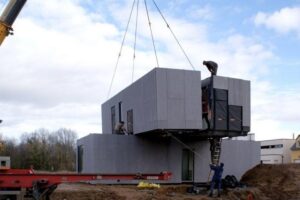
These modules are prefabricated in a factory and then taken to the construction site to be fitted together to form a complete structure. These modules are designed in such a way that they can be arranged in parallel, perpendicular, or simple stacked arrangements to create different building architectures.
Why is Modular Construction Becoming Popular?
Several trends have contributed to the rise of modular construction, especially in the past decade. They are:
1. Labour Shortages in Construction
There is a massive deficiency of skilled construction employees in most countries, especially North America and Europe. The construction industry has long had difficulties attracting young employees, and modular construction can fill the void left by these workers. By outsourcing most of it to factories, certain companies can significantly decrease the number of workers they need to have onsite.
2. Time and Cost Efficiency
Being in focus the most cited advantage of modular construction is that it takes less time to construct a building, given that it only requires assembling. Traditional construction is sensitive to weather, location, or labor constraints. However, modular construction can proceed in parallel with the site preparation. Thereby cutting down overall project duration by as much as ½, proving much cheaper.
3. Technological Advancements
New technologies in digital design, manufacturing, and BIM have also been key factors in the growth of modular construction. They allow for controlled fabrication of construction components, enhanced control over the quality and tolerance of production, and better connection of the modules.
4. Sustainability Concerns
The increased focus on the sustainability of construction has placed modular construction under focus. As the modules are built in a factory, their production involves less wastage, and most prefabricated buildings are made from green materials and aerodynamic structures. In addition, the advantages of modular buildings’ energy efficiency result from better insularity and mechanical and electrical joints.
Pros of Modular Construction
1. Speed of Construction
Because of its build-apart techniques, modular construction dramatically reduces the time it takes to construct a building. Since the modules are developed only off-site while the groundwork is being performed only onsite, these two tasks can be done simultaneously. This parallel process can result in the traditional construction work being completed at least 30% to 50% faster, depending on the type of construction, and that is good news for delicate projects such as hospitals, schools, and housing.
2. Cost Savings
A shortened construction period means less labor and operations costs. In addition, the circumstance where the factory dominates the processing lessens the amount of waste materials and the likelihood of accidents on the premises, which lowers expenses. Modular buildings similarly have slight change orders or scope modifications, typically experienced in conventional construction.
3. Quality Control
Modular construction techniques ensure quality control at all levels. This is because when the modules are assembled, the manufacturing process is conducted in a controlled factory environment and thus has to meet specific manufacturing standards. This control enables a finer definition of Construction elements, reduces the likelihood of human interference, and can lead to a better-quality product. Years of experience applying sophisticated technologies such as robotics and automation affordably construct these modular buildings to the highest standards.
4. Environmental Benefits
One significant advantage of modular construction is that it results in less waste than conventional methods, partly because of how it is done. Factories are generally better positioned to estimate and manage the proportionate utilization of material and energy and the recycling rate. In addition, moving fewer materials to the construction site helps reduce emissions produced and makes construction more sustainable.
5. Flexibility and Scalability
Modular construction provides building design adaptability because modules can be connected, added to, or removed. This flexibility makes modular construction especially attractive for companies or other entities that anticipate growing their needs in the future. Further, modules can be transported easily everywhere and assembled where required, so they also possess maximum mobility.
Cons of Modular Construction
1. Transportation Challenge
One significant issue when dealing with large modules is their transportation to the construction site. Modules can be shifted only with care to prevent substantial harm. Sometimes, permission is needed to move large structures. Due to their size, the use of the modules may also be restricted in remote areas or congested urban neighborhoods where street access may be narrow.
2. Design Limitations:
Modular construction is flexible but not practical for unique or complicated building designs. When it comes to complex construction in terms of its shapes, layout, or variable aesthetic needs, it might not be easy to create those designs with the help of modular construction. Technological advancements have also helped with this issue, but designing repetitive building designs with modular construction techniques is only efficient.
3. Initial Investment Costs:
Modular construction is appreciated for its low cost, but the initial investment cost of such projects is higher than that of other construction methods. Development expenses at the start of modular construction projects are so high that they become equally expensive.
4. Perception Issues:
Modular construction has been generally accepted due to its previous perception of low-cost and effective techniques, which has praised its image in construction markets. However, some clients, architects, and contractors still doubt modular structures’ efficiency and external appearance.
5. Limited Skilled Workforce:
Modular construction presents unique challenges within factories and demands different skills. Employees must be educated within the framework of higher requirements concerning manufacturing methods, robotics, and quality management. This transition of skills needed in industries can be a problem for areas that didn’t develop a pool of skilled workforce for industrial manufacturing jobs.
The Future of Modular Construction
1. Increased Demand for Affordable Housing:
As inflation rates rise rapidly, basic needs like housing have become expensive, and people tend to find cheaper options. Due to cost and time benefits over traditional construction, modular construction is considered a viable method to provide fast, efficient, and affordable quality homes soon. Modular housing constructions are rising in various regions of the UK, the US, and Asia.
2. Sustainability and Green Building Initiatives:
Sustainability is essential today, with particular emphasis on climate change and reducing carbon footprints. Modular construction is a more sustainable approach to conventional construction. With new laws and strict regulations, modular construction will likely find the efficiency of waste elimination and energy savings a valuable aspect.
3. Technological Integration:
The application of Building Information Modeling (BIM), automation, and the Internet of Things (IoT) will likely shape modular construction even more. It demonstrated that intelligent buildings, with sensors and automation systems integrated into factory production, could be implemented more effectively using modular techniques.
4. Expansion into High-Rise and Commercial Sectors:
While modular construction was more or less restricted to low-rise buildings, residential accommodations, small fast-food outlets, etc., modern-day construction companies also use this technique for high-rise buildings and other commercial complexes. Advancements in structure and materials now allow modular construction to be built to a higher dimension.
5. Government Support
With technological advancements, More and more governments around the globe are accepting modular building systems as they can effectively solve many of the existing housing and infrastructural needs. Potential future influencing factors include government-incorporated policies and incentives supporting Modular Construction.