TL, DR
Different weather conditions hinder working conditions and cause delays, damages, and risks to workers’ safety. However, such risks are unavoidable, and some preventive measures can be taken to prevent damages as much as possible. During rainy days, one of the biggest threats is the massive flooding of black water that interferes with work activities by making the ground watery to an almost muddy level. Rain makes the soil muddy which is not suitable for construction. It makes the wood swell and pose other material damage with safety hazards as well and delay the working schedule of the project.
High temperatures can also create construction problems known as summer effects. Heat affects both the workers and the materials on the construction site. High temperatures expose workers to heat stress, dehydration, or heat stroke, slowing their productivity.In hot weather conditions, concrete can set and harden quickly, creating cracks and weaker structures.While moving parts in a car or other vehicles, for example, the engines may overheat, causing a breakdown during a long drive under the sun.
Cold, and snow slow everything down and make it hard to do much of anything. In cold climates, the ground freezes, complicating the excavation and foundation process. It is always difficult or impossible to prepare a site or lay foundations. Cold temperatures badly affect the curing process, slowing the production of solid concrete structures. Essential work like rain can quickly be eliminated, but snowstorms can stop construction at work and snow and ice raises the chances for slip, trip, and fall incidents.
Wind, especially high-velocity wind, has always been considered a significant menace to lifting operations, especially those involving cranes.This leads to difficulty moving materials, tools, and debris within the site, which poses a high risk to worker safety and potential damage to construction property. While scaffolding may appear to be an efficient and secure construction method, it may become very volatile in high winds if exposed to windy conditions.
Most general approaches to planning for weather impacts include the ability to use detailed weather forecasts. Some of the most critical aspects of construction depend on timely weather information and forecasts for scheduling and safety. There are smarter-than-ever weather applications that give construction managers a detailed minute-by-minute forecast and alert by location. Project managers should consider some extra time for the project. The extra time allows for unforeseen acts of nature to occur.
Protection of the materials and equipment from being damaged in harsh weather is essential. It is also necessary to protect workers, and one way to do this is to help choose the necessary conditions at the work site, depending on the weather. Planning the project according to the weather conditions can help provide better buildings without much hindrance during the work.
How Weather Impacts Construction Projects and How to Plan for It
The construction of buildings is a complex process, be it residential, commercial, or infrastructural. This process requires the proper availability of workforce, resources, and machinery. While all these things can be controlled, one uncontrollable external condition that impacts construction schedules, costs, and safety is the weather. Different weather conditions hinder working conditions and cause delays, damages, and risks to workers’ safety.
However, such risks are unavoidable, and some preventive measures can be taken to prevent damages as much as possible. Give this article a good read as it explains how weather factors impact construction and offers methods of countering its effects during planning.
Possible Impacts of Various States of the Weather on Construction
1. Rain
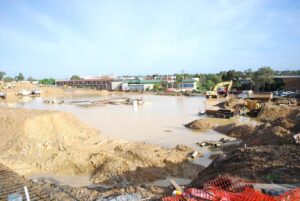
Rain is one of the most viable forms of weather, but not usually for the construction industry as it poses a significant threat to construction activities. During rainy days, one of the biggest threats is the massive flooding of black water that interferes with work activities by making the ground watery to an almost muddy level. Rain affects various aspects of construction:
Soil Conditions: The most commonly reported adverse effect of rainfall is that it may make the ground too slippery to work with. Sandy or boggy ground cannot bear loads or pressure, so operating or building on such a type of ground is dangerous.
Material Damage: Most construction materials, including wood, cement, and plaster, are usually kept in the open and are severely affected by moisture. Excessive rain negatively affects the wood by swelling or decaying, while cement work does not cure well.
Worker Safety: Many severe Hazards are often reported during rainy days, like slippage on slippery surfaces. This situation poses a high risk to workers, particularly those working at elevated places. It also raises the risk of electric shocks while operating with tools.
Delays: Rain brings many halts and hurdles in work, depending on the type of construction being carried out. This significantly influences exterior works such as roof construction, painting, and concrete production. All these issues result in extreme project delays.
2. Extreme Heat
High temperatures can also create construction problems known as summer effects. Heat affects both the workers and the materials on the construction site. Some severe issues caused due to extreme heat are:
Worker Productivity: High temperatures expose workers to heat stress, dehydration, or heat stroke, slowing their productivity. For this reason, the workers must take many breaks because of safety measures, reducing the rate of work done.
Material Impact: Heat stress can easily affect concrete, asphalt, and adhesives. In hot weather conditions, concrete can set and harden quickly, creating cracks and weaker structures. Asphaltite melts with the temperature rise, and some adhesives may lose their sticking power.
Equipment Efficiency: While moving parts in a car or other vehicles, for example, the engines may overheat, causing a breakdown during a long drive under the sun. This leads to more time and money being spent on the process.
3. Cold Weather and Snow
Cold, and snow slow everything down and make it hard to do much of anything. Cold weather poses unique challenges to construction projects:
Foundation Work: In cold climates, the ground freezes, complicating the excavation and foundation process. It is always difficult or impossible to prepare a site or lay foundations during winters when the ground freezes, creating trouble in any particular kind of earthwork.
Concrete Curing: The water-cement ratio must be considered during cold days, and concrete must be at the proper temperature to prevent freezing. Cold temperatures badly affect the curing process, slowing the production of solid concrete structures.
Worker Safety: Wear and tear at work in snow and ice raises the chances for slip, trip, and fall incidents. Cold stress and depression also pose risks of frostbite and hypothermia to workers who have been in extremely cold climates for a long time.
Delays: Essential work like rain can quickly be eliminated, but snowstorms can stop construction entirely. Ice formation is disastrous to structures, and snow makes it difficult to complete the project on time.
4. Wind
Strong winds can be a significant hindrance to construction, especially in high-rise buildings or large infrastructure projects:
Crane Operations: Wind, especially high-velocity wind, has always been considered a significant menace to lifting operations, especially those involving cranes. One of the most common controls of vibration is when tall structures are under construction, wind speeds exceed certain limits, and erection work is suspended.
Material Safety: This leads to difficulty moving materials, tools, and debris within the site, which poses a high risk to worker safety and potential damage to construction property.
Scaffolding: While scaffolding may appear to be an efficient and secure construction method, it may become very volatile in high winds if exposed to windy conditions.
Planning for Weather Impacts
As climatic conditions cause delays in construction work, project constructors must develop elaborate contingency plans considering local climate and seasonal conditions. Here are several ways to plan for weather impacts on construction:
1. Timely Check on Weather Updates
Most general approaches to planning for weather impacts include the ability to use detailed weather forecasts. Some of the most critical aspects of construction depend on timely weather information and forecasts for scheduling and safety. This means checking short-term and long-term weather forecasts is always necessary, depending on the prevailing conditions.
2. Weather Apps and Tools
There are smarter-than-ever weather applications that give construction managers a detailed minute-by-minute forecast and alert by location. These tools allow more effective decision-making regarding whether operations should continue or cease due to prevailing weather conditions.
Seasonal Planning
Certain months should not be considered when constructing schedules depending on the location’s climate. For example, if the area is very sensitive to rain, the best time to do the work would be during less rainy times such as last quarter or first quarter. On the other hand, tasks that need a relatively dry environment must be addressed in the notably dry season.
Because of this, scheduling needs to be fluid to accommodate changes in the worst-case or poor weather conditions. Even the most meticulously planned project’s schedule often stands to be disrupted by harsh weather. Project managers should consider some extra time for the project.
The extra time allows for unforeseen acts of nature to occur. This time is added to the project duration so that the cost does not exceed the schedule instead of going way over the time and budget.
3. Protective measurements for material and equipment
Protection of the materials and equipment from being damaged in harsh weather is essential. Accurate storage and protection can be related to costs and eliminating project delays.
Covering Materials: Materials such as gypsum, which is very sensitive to moisture, should be protected by tarps or stored under roofed structures. Items such as cement can be stored in heated warehouses in a cold environment.
Weatherproofing: Patios can be used as temporary structures, and shelters such as tents or canopies can protect continued work and activities from rain or heat. Materials may also need equipment like heaters or fans to maintain the right conditions to set or cure.
4. Measures concerning worker safety and productivity
It is also necessary to protect workers, and one way to do this is to help choose the necessary conditions at the work site, depending on the weather.
Provide Shelter and Hydration: Workers should be allowed to work under shade and take frequent water breaks during a scorching day. In a cold climate, adequate structures for warmth should be made to prevent frost nail or hypothermia cases.
Adjust Work Hours: Flexible working hours should be ensured during hot or cold weather to avoid peak hours of high heat or low temperature, enhancing efficiency and staff health.