Blog post · August 4, 2024 · 4 min read
The importance of selecting the right architectural formliners for your project
TL; DR When choosing architectural formliners for a project, it is crucial to select the right one. So, that project can be customized in any pattern or texture that you desire. The material should…

TL; DR
When choosing architectural formliners for a project, it is crucial to select the right one. So, that project can be customized in any pattern or texture that you desire. The material should also be able to withstand environmental changes while also following the building codes and regulations. With the vast range of materials available, it is essential to make the optimum decision that best meets the project requirements. The right selection of formliners can enhance a project's design and at the same time provide durability and longevity. When choosing, consider the substrate; finish required, budget, maintenance, and installation requirements.Overview of Architectural Formliners
The right architectural formliners are essential for any construction project. They provide a unique look and help create an aesthetically pleasing result. With the variety of products available in today's market, it is essential to select formliners that will fulfill the design criteria of your project. The selection of materials should be based on factors such as cost, durability, and installation time. This article will provide the importance of selecting architectural formliners for your project.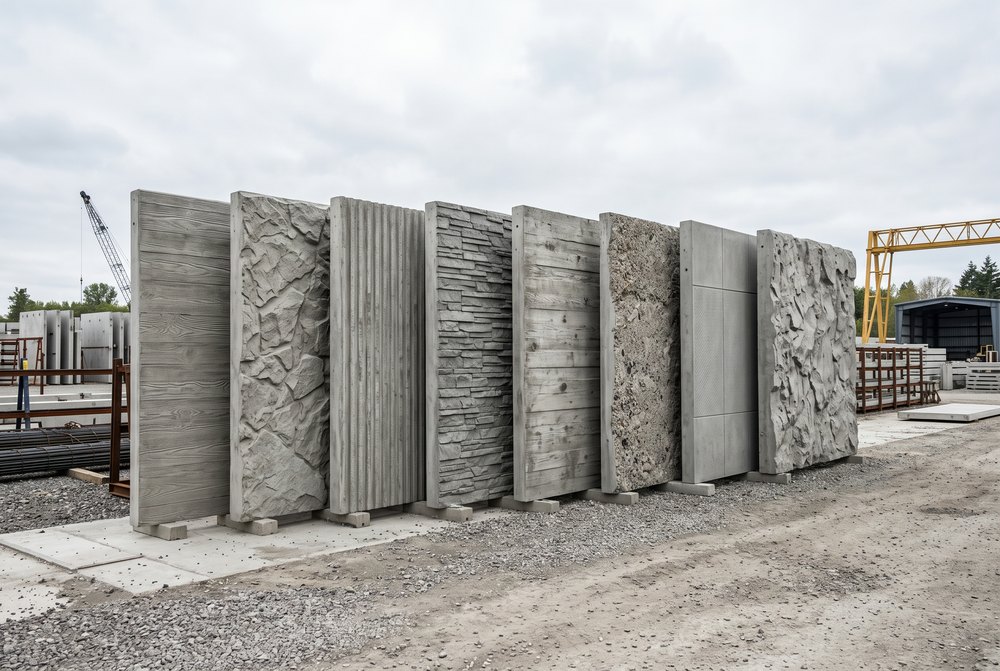
What are Formliners?
Formliners create patterns, textures, and designs when casting concrete. They provide the opportunity to enhance any project with virtually limitless design possibilities and can often be used with other materials. Here are some popular types of formliners available:- Reusable formliners: This type of liner can be used multiple times for similar or different projects. It is often made from rubber, polyurethane, or other synthetic materials.
- Permanent formliners: These are usually made from ABS plastic and are designed to provide a long-lasting finish that won't fade or crack over time.
- Custom formliners: This type of liner is made to order and tailored to your specific project needs. It can be used for both interior and exterior applications, as well as for vertical or horizontal surfaces.
Benefits of Using Formliners
Using formliners on projects can help cut costs by eliminating the need for costly molds. Formliners can be used to create forms with intricate details and patterns. Using formliners also allows designers to create unique shapes or textures that may not have been achievable by traditional methods. It is also possible to reuse formliner patterns multiple times, thus saving material costs.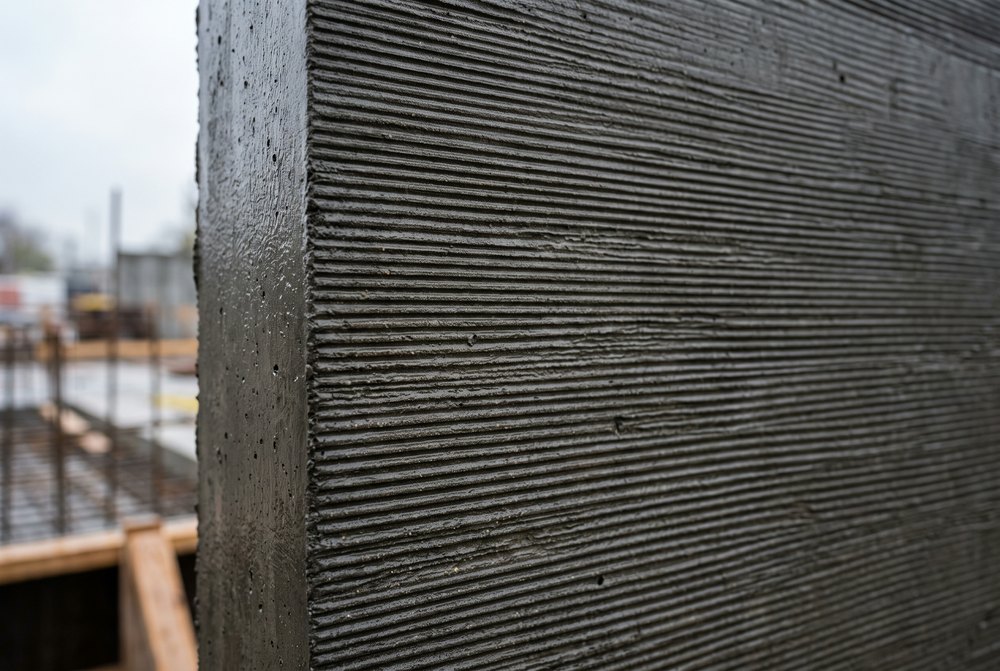
Marketability
Clients are always looking for new and innovative designs. Therefore, staying up-to-date with trends can make a designer more diverse and deliver amazing services. It will also enable them to market themselves better compared to their competitors.Importance of Selecting the Right Architectural Formliners
The right architectural formliners have the potential to transform an ordinary building into a stunning work of art. By selecting the right formliner, architects can take advantage of its unique aesthetic qualities and create beautiful designs that enhance their projects' overall look and feel. Here are some reasons why selecting the right architectural formliner is important:- formliners are available in various textures and patterns, allowing architects to customize their designs to suit each project’s needs. This allows for unparalleled creativity in design and can produce stunning results when done correctly.
- Moreover, many formliners are also resistant to weathering and wear, ensuring that the design will remain intact for years.
- formliners are designed to create specific shapes or patterns in concrete surfaces when used with a formwork system. This can add visual interest to the building’s exterior and can add character and personality to any construction project.
- Some formliners can provide additional insulation properties to a building’s exterior. This helps reduce energy costs and increases the overall comfort of the occupants.