Blog post · October 6, 2024 · 8 min read
The role of architectural formliners in shaping the built environment
Tl; Dr Architectural formliners shape the built environment around us. Formliners are molds that are used to create textured and patterned surfaces on concrete structures, such as walls and columns.…

Tl; Dr
Architectural formliners shape the built environment around us. Formliners are molds that are used to create textured and patterned surfaces on concrete structures, such as walls and columns. Formliners add texture to the exterior of buildings; making them aesthetically pleasing and stand out from the rest. You can also use their help to create patterns, shapes, and logos that add an element of uniqueness to a building. Architectural formliners can add creativity and beauty to any building structure, provided they are used correctly. Architects consider the benefits formliners can bring to their projects before initiating them. When it is done right, the results come out to be stunning.Overview Of Architectural Formliners
Architectural formliners is a critical tool for shaping the built environment, allowing architects and designers to add textural creativity to any concrete surface. By using formliners to create patterns in concrete walls, floors, and other surfaces, architects can bring a unique look to any structure or space. This blog post looks at how architectural formliners are used and the benefits they can get to any project. It also explores the importance of good quality formliners in ensuring a successful outcome for any project.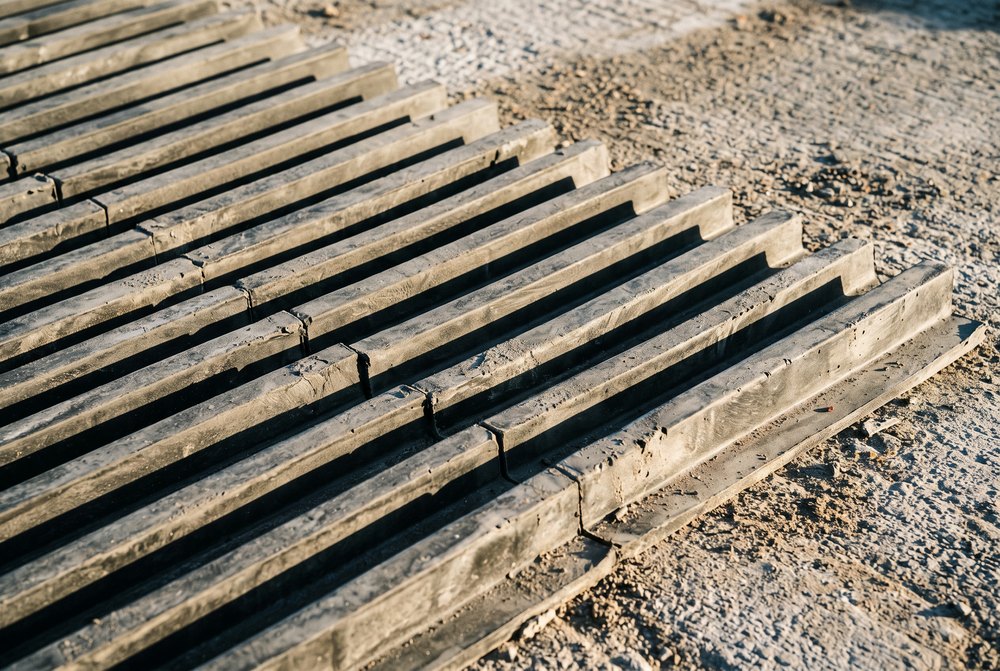
The Role of Architectural Formliners
Architectural formliners is an increasingly popular way to add design elements to interior and exterior building surfaces. They offer the possibility of creating unique designs that reflect a wide range of style preferences and budgets. Formliners come in different shapes, sizes, and materials, allowing architects to create eye-catching patterns or textures on walls, ceilings, and floors. They are versatile, allowing for various effects, from subtle to bold. They can be used as accents or to create full-scale patterned facades. The choice of material for formliners also plays a role in the design. Common materials include concrete, rubber, masonry, metal, or plastic. With the suitable formliner material and design, architects can create stunning patterns that will stand out for years. Formliners are not just for aesthetics but can also serve practical purposes. For instance, preventing water from pooling on surfaces or providing a better grip for pedestrians. By combining formliners with functional elements, architects can create visually pleasing and practical spaces. In a nutshell, architectural formliners provide architects with a unique way to shape the built environment.Importance Of Shaping Built Environment In Architecture
Shaping the built environment is crucial because it positively affects our lifestyle, quality of life, and environment. Good architectural design can improve physical health by providing access to natural light, fresh air, and green spaces. By incorporating features such as acoustic insulation, ergonomic furniture, and energy-efficient materials into a building’s design, architects can also boost mental well-being by improving comfort levels for occupants. Sustainable design also plays a vital role in shaping the built environment. By carefully considering materials, energy sources, and water management systems, architects can make more efficient structures and reduce their environmental footprint.Purpose Of Using Architectural Formliners To Shape Built Environment
Formliners also create architectural details such as door frames, window sills, columns, railings, and other decorative elements. Formliners can create natural-looking textures such as stone, wood grain, and brick. The purpose behind using formliners is to create a unique look and atmosphere in any project. Formliners add character, color, and beauty to the built environment. It adds life to any building and can help it stand out from its surroundings. Shaping a built environment is crucial, and only architectural formliners are the best way to do that without needing extra costs for materials and labor.Elements Of A Building Environment
A building environment's elements involve everything that affects how a space functions and feels. These are some of the most common elements:Materials
The materials used to build a space, such as wood, metal, stone, and fabric, can create different aesthetics and atmospheres.Furniture And Fixtures
Furniture and fixtures are used to fill a space. These pieces can be chosen from chairs and desks to lights, cupboards, and shelves to create a specific look or feel.Lighting
Natural light from windows or skylights and artificial lighting from lamps, spotlights, and other sources all help set the mood of a space.Color
The color palette used in a room or building can influence how people feel when they enter. Bright colors may be energizing, while muted tones create a calming atmosphere.Technology
Many buildings today feature technology such as audio-visual components and automated systems to control lighting and air conditioning.Layout
The layout of a building can affect how well it functions. Appropriate circulation patterns and efficient use of space are important considerations when designing an environment.Acoustics
The acoustics of a room or building determine how sound travels, which is especially important in office and educational spaces.Ventilation
Good ventilation helps ensure comfortable air quality and temperature and reduces the risk of airborne illnesses. With all these elements in mind, you can give your building a unique outlook and make it a great place to work or live.Built Environment Shaping Possibilities With Architectural Formliners
From modern geometric designs to rustic stone-inspired reliefs, architecturally designed formliners bring life and engagement to buildings by introducing unique shapes and accents tailored to suit each project's needs. With this method, architects can create unique, one-of-a-kind spaces that make a statement and give each project its personality. Using formliners, they can achieve precise curves with perfect uniformity or introduce irregular patterns in the concrete surface. It opens up several creative possibilities for architects to shape the built environment.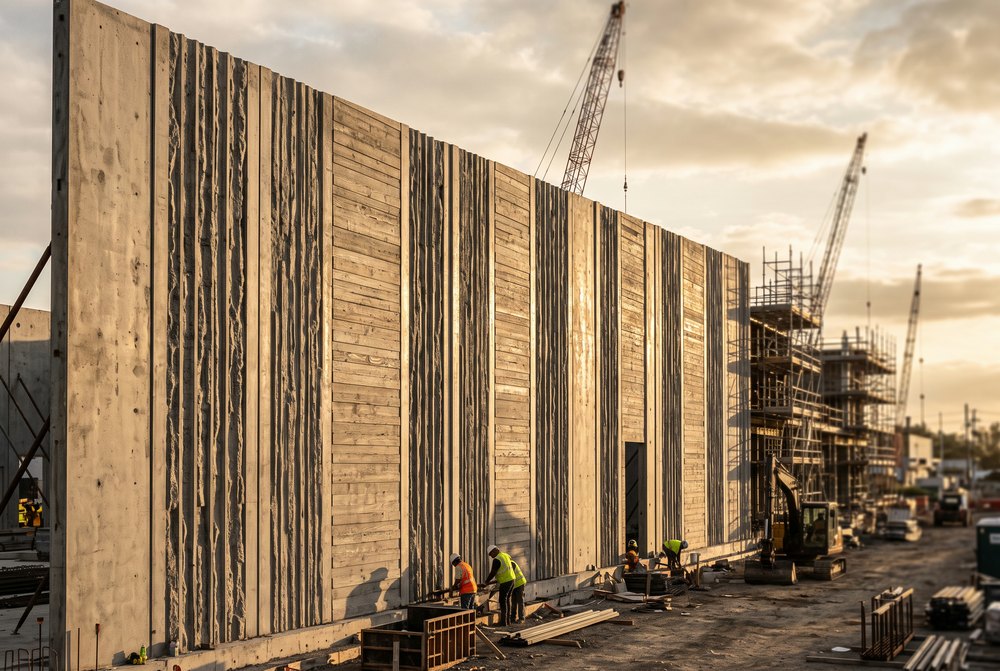 The possibilities for shaping a built environment include the following.