Blog post · August 18, 2024 · 4 min read
The Intersection of Art and Architecture: Creating Dynamic and Inspiring Spaces
TL; DR The intersection of art and architecture allows for the creation of dynamic and inspiring spaces. This can be achieved through the incorporation of elements such as public art installations,…

TL; DR
The intersection of art and architecture allows for the creation of dynamic and inspiring spaces. This can be achieved through the incorporation of elements such as public art installations, unique shapes and forms, a variety of textures and materials, color and lighting, and interesting or unusual spaces. By using these techniques, architects and designers can add visual interest and create engaging and sensory experiences for those who use the space.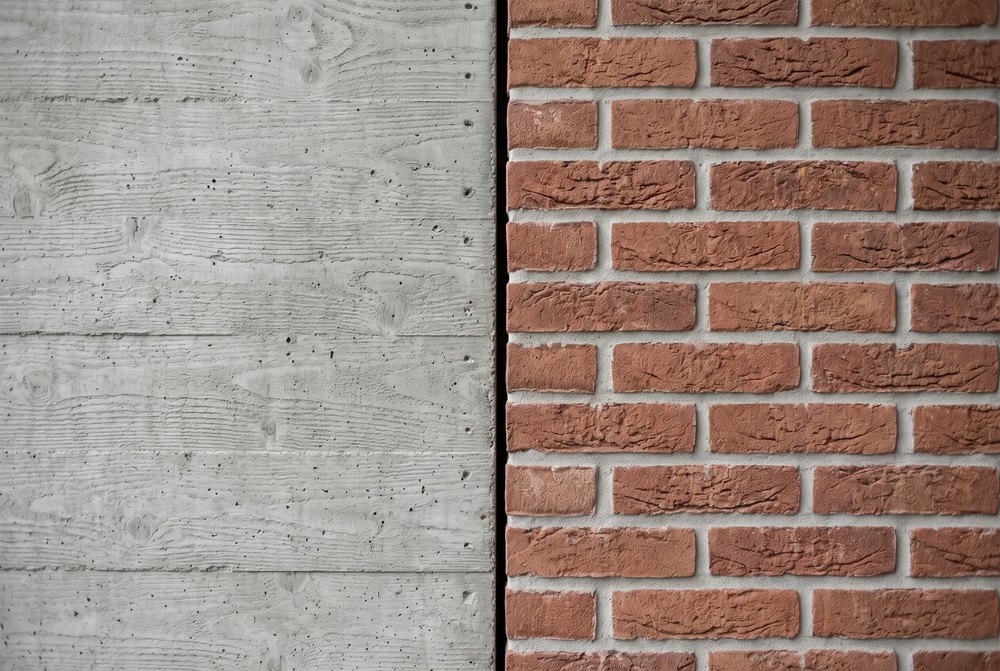 The intersection of art and architecture has long been a source of inspiration and creativity for designers and architects. By incorporating elements of art into architectural design, it is possible to create dynamic and inspiring spaces that engage and delight the senses.
Visual interest in architecture
One way that art can be incorporated into architecture is through the use of public art installations. These can be integrated into the design of a building or its surrounding landscape, adding visual interest and creating a unique experience for those who visit or pass by the space. For example, a sculptural element incorporated into the façade of a building can add depth and dimension, drawing the eye and creating a sense of movement and energy. There are many ways to add visual interest to architectural designs. Some examples include the following:- Incorporating unique or unusual shapes and forms: By using unconventional shapes and forms in the design of a building or space, architects and designers can create a sense of surprise and intrigue, drawing the eye and engaging the senses.
- Using a variety of textures and materials: Combining different textures and materials in the design of a building or space can add depth and dimension, creating a tactile and sensory experience for those who use the space.
- Incorporating public art installations: Public art installations, such as sculptures or murals, can be integrated into the design of a building or its surrounding landscape, adding visual interest and creating a unique experience for those who visit or pass by the space.
- Playing with color and lighting: The use of color and lighting can enhance the visual interest of a space, creating contrast and drawing the eye to different features. By carefully choosing and combining colors, architects and designers can create spaces that are vibrant and dynamic, evoking different moods and emotions.
- Creating interesting or unusual spaces: The design of a space itself can be a source of visual interest. By creating unusual or unexpected spaces, such as atria, courtyards, or outdoor rooms, architects and designers can add visual interest and create a sense of curiosity and exploration for those who use the space.