Blog post · March 10, 2025 · 6 min read
Exploring Different Architectural Styles: A Simple Guide for Beginners
TL;DR Explore architectural styles in our beginner's guide, from classical elegance to modern innovation. Also learn about classical, Renaissance, modernist, postmodern, and contemporary architecture…

TL;DR
Explore architectural styles in our beginner's guide, from classical elegance to modern innovation. Also learn about classical, Renaissance, modernist, postmodern, and contemporary architecture and how they are still relevant today.
Discover the influence of each style, and get practical tips for choosing the perfect one for your building project. In this blog, you will get a comprehensive and accessible overview for beginners which empowers them to make informed decisions when planing their architectural design journey.
 Have you ever wondered why buildings look so different from each other? This guide is all about making it easy to understand how buildings are designed.
In this guide, we will explore the different styles of buildings, from way back to now. We will also highlight the variety in the world of architecture. It's amazing to see how different cultures and times have influenced how buildings are made.
Have you ever wondered why buildings look so different from each other? This guide is all about making it easy to understand how buildings are designed.
In this guide, we will explore the different styles of buildings, from way back to now. We will also highlight the variety in the world of architecture. It's amazing to see how different cultures and times have influenced how buildings are made.
 Classical architecture places a strong emphasis on balance and symmetry. This is evident in the placement of columns, windows, and other architectural elements.
One of the most iconic features of classical buildings is the use of columns. There are three main orders:
Classical architecture places a strong emphasis on balance and symmetry. This is evident in the placement of columns, windows, and other architectural elements.
One of the most iconic features of classical buildings is the use of columns. There are three main orders:
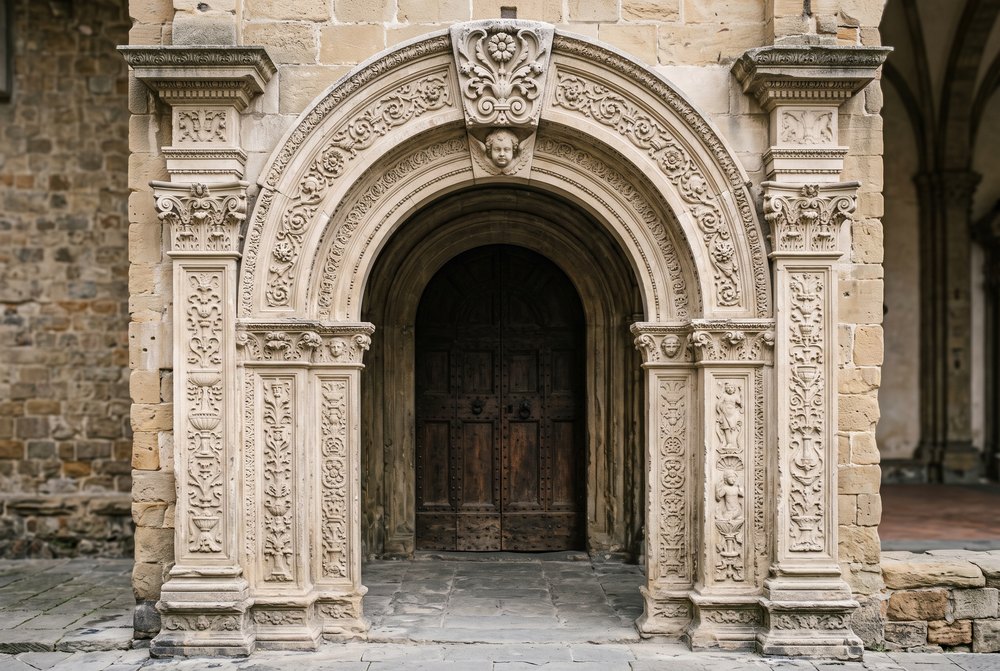 Renaissance architects embraced a return to classical aspects of architecture which had balanced proportions and harmony in design. Buildings were often symmetrical, with careful attention to geometric relationships.
These architects were fascinated by the domes of ancient Roman buildings. They incorporated domes into their designs and created iconic structures that showed elegance.
The Renaissance was a cultural movement that spanned the 14th to the 17th century. It originated in Italy and promoted an interest in classical art, literature, and architecture.
Renaissance architecture remains relevant for its commitment to classical structures even today.
Renaissance architects embraced a return to classical aspects of architecture which had balanced proportions and harmony in design. Buildings were often symmetrical, with careful attention to geometric relationships.
These architects were fascinated by the domes of ancient Roman buildings. They incorporated domes into their designs and created iconic structures that showed elegance.
The Renaissance was a cultural movement that spanned the 14th to the 17th century. It originated in Italy and promoted an interest in classical art, literature, and architecture.
Renaissance architecture remains relevant for its commitment to classical structures even today.
 The modernist architecture is characterized by simplicity and clean, uncluttered lines. Architects aimed to eliminate unnecessary decoration when using this style. Modernist architects prioritize functionality over traditional aesthetics.
Some elements of modernist architecture include:
The modernist architecture is characterized by simplicity and clean, uncluttered lines. Architects aimed to eliminate unnecessary decoration when using this style. Modernist architects prioritize functionality over traditional aesthetics.
Some elements of modernist architecture include:
 Postmodern architecture introduces a mix of styles. It often combines elements from different historical periods or cultural influences. It also does not believe in restricting architecture to a particular style or rules.
Some examples of Postmodern architecture include:
Postmodern architecture introduces a mix of styles. It often combines elements from different historical periods or cultural influences. It also does not believe in restricting architecture to a particular style or rules.
Some examples of Postmodern architecture include:
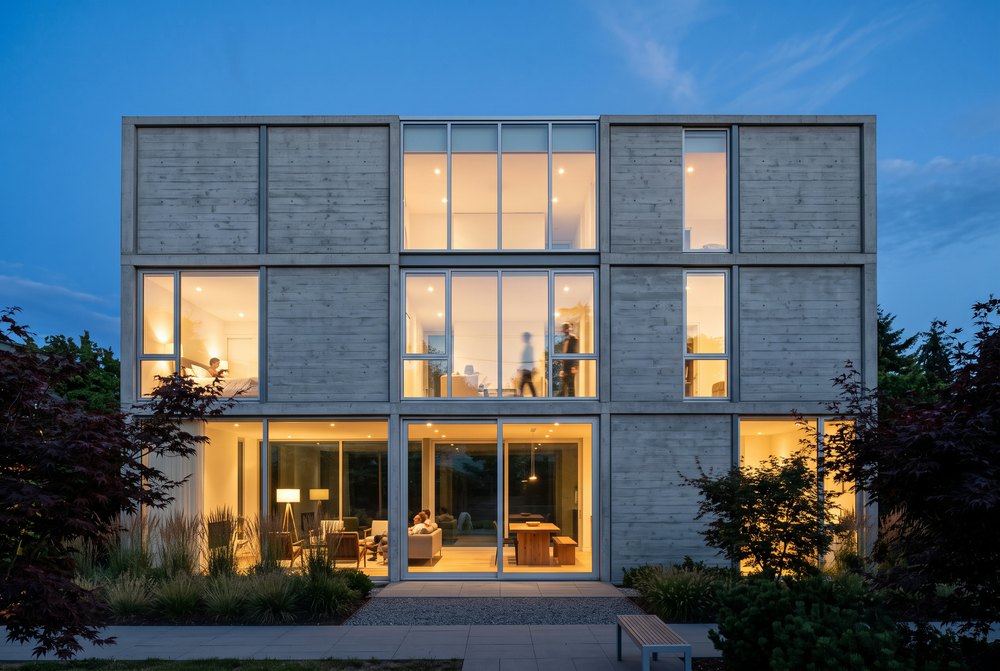 Contemporary architecture does not stick to just one style. It's a mix-and-match where architects use different designs, materials, and ideas in their projects. Architects like to use new things such as special eco-friendly materials and technologies to build modern and sustainable buildings.
Some examples of contemporary architecture include:
Contemporary architecture does not stick to just one style. It's a mix-and-match where architects use different designs, materials, and ideas in their projects. Architects like to use new things such as special eco-friendly materials and technologies to build modern and sustainable buildings.
Some examples of contemporary architecture include:
Exploring Different Architectural Styles: A Simple Guide for Beginners
Have you ever wondered why buildings look so different from each other? This guide is all about making it easy to understand how buildings are designed.
In this guide, we will explore the different styles of buildings, from way back to now. We will also highlight the variety in the world of architecture. It's amazing to see how different cultures and times have influenced how buildings are made.
What Are Architectural Styles?
Now that we're gearing up to explore the world of architecture, let's first understand what we mean by "architectural styles." Architectural styles are the looks and designs that buildings have. You may think of them as how architects combine walls, roofs, and other building parts. It's more of a visual language that describes different buildings and structures. Why bother with different styles? Well, each style has a story to tell. It reflects the time it was built, the culture it belongs to, and the preferences of the people who designed it. So, by understanding these styles, you're not just looking at buildings but also at their stories.5 Types of Architectural Styles
In this section, we will explore different types of architectural styles that architects use.1. Classical Architecture
Classical architecture places a strong emphasis on balance and symmetry. This is evident in the placement of columns, windows, and other architectural elements.
One of the most iconic features of classical buildings is the use of columns. There are three main orders:
- Doric (Simple and sturdy)
- Ionic (Scrolls at the top)
- Corinthian (Decorated with intricate details)
2. Renaissance Architecture
Renaissance architects embraced a return to classical aspects of architecture which had balanced proportions and harmony in design. Buildings were often symmetrical, with careful attention to geometric relationships.
These architects were fascinated by the domes of ancient Roman buildings. They incorporated domes into their designs and created iconic structures that showed elegance.
The Renaissance was a cultural movement that spanned the 14th to the 17th century. It originated in Italy and promoted an interest in classical art, literature, and architecture.
Renaissance architecture remains relevant for its commitment to classical structures even today.
3. Modernist Archiecture
The modernist architecture is characterized by simplicity and clean, uncluttered lines. Architects aimed to eliminate unnecessary decoration when using this style. Modernist architects prioritize functionality over traditional aesthetics.
Some elements of modernist architecture include:
- Sustainable Design
- Open Floor Plans
- Innovation in Materials
- Minimalism
- Integration with Nature
- Urban Planning
4. Postmodern Architecture
Postmodern architecture introduces a mix of styles. It often combines elements from different historical periods or cultural influences. It also does not believe in restricting architecture to a particular style or rules.
Some examples of Postmodern architecture include:
- Walt Disney Concert Hall
- AT&T Building
- Binoculars Building
5. Contemporary Architecture
Contemporary architecture does not stick to just one style. It's a mix-and-match where architects use different designs, materials, and ideas in their projects. Architects like to use new things such as special eco-friendly materials and technologies to build modern and sustainable buildings.
Some examples of contemporary architecture include:
- The Shard
- One Central Park
- Seattle Library
How to Choose an Architecture Style for Your Building?
So, you are ready to design a building, but you're not sure what style to pick. You need to keep 3 things in mind:- It should look good
- Fit your taste
- It says something about you.