Blog post · September 19, 2023 · 7 min read
Formliners in Contemporary Architecture: Innovations and Applications
TL: DR Contemporary architecture uses formliners to add texture, pattern, and aesthetics to buildings and spaces. They enhance facades, exterior walls, and create art installations. They also…

TL: DR
Contemporary architecture uses formliners to add texture, pattern, and aesthetics to buildings and spaces. They enhance facades, exterior walls, and create art installations. They also contribute to sustainable architecture and are crucial aspect in construction projects today. In the future, formliners technology will bring exciting advancements in contemporary architecture. These formliners will be crafted from biodegradable materials and will pave the way for sustainable architectural solutions. Moreover, nanotechnology will play a pivotal role by introducing self-cleaning surfaces, which will further reduce maintenance efforts. Additive manufacturing will help streamline the construction process and promote intricate designs. Collaborative design platforms will foster teamwork among architects and designers which will encourage efficient project development. Formliners have a big impact on architecture as they help create aesthetic and sustainable designs. Today, formliners have changed a lot in architecture due to technology. Architects can now create unique textures, patterns, and art on buildings using formliners. They also help with sustainable architecture by providing shading and natural ventilation. Digital technologies, like computer-aided design (CAD) and 3D printing, have opened up possibilities for exquisite designs with formliners.Innovations in Formliners Technology
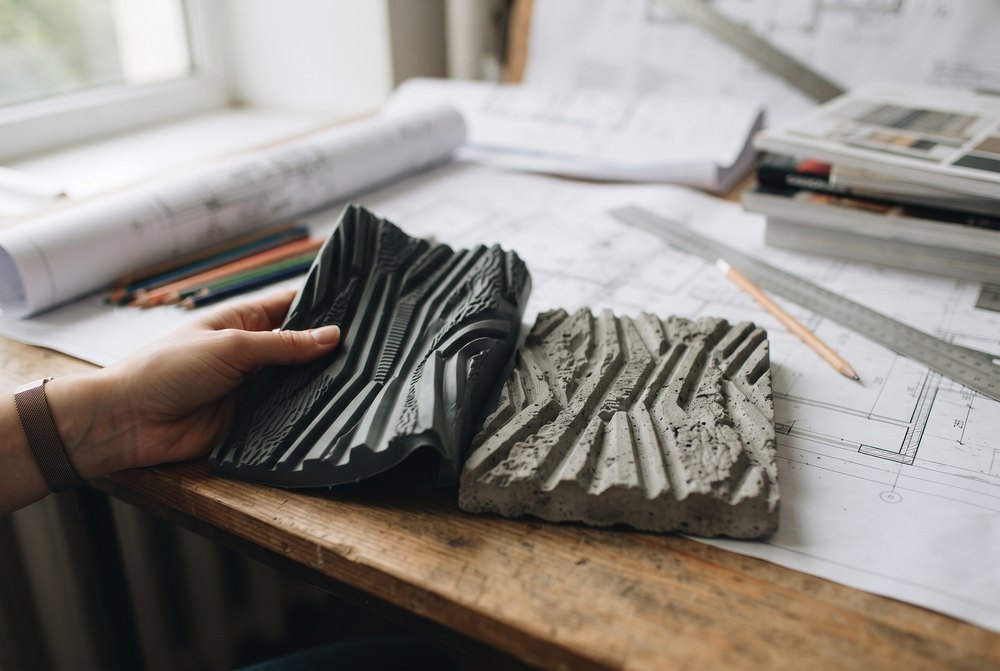
In construction and architecture, appearance and efficiency are important for making captivating and practical buildings. Formliners are essential for adding textures and patterns to concrete surfaces; ultimately, making them look better. As time passed, formliners technology improved significantly, which allowed designers and engineers to be creative and sustainable in their projects than ever before.1. Sustainable Materials
To meet the requirement for eco-friendly construction, manufacturers now make formliners with recycled materials. This helps the environment as it reduces construction's negative impact and follows the idea of a circular economy (where waste becomes useful again). With sustainable formliners, architects and builders can create beautiful concrete finishes and also contribute to a greener and sustainable future.2. 3D Printing for Enhanced Customization
3D printing has changed numerous industries, including construction. In formliners, it has brought exciting new options for customization. Architects and designers can now make complex and special designs that were impossible to make before. This level of customization allows them to turn simple concrete surfaces into amazing works of art and bring their ideas to life.3. Digital Design and Simulation
Digital design tools and simulation software have improved the formliners design process. Architects and engineers can now try out various patterns and textures virtually before making a choice. This saves time and resources and ensures the formliner fits perfectly with the project's vision. Therefore, it is a go-to option for many architects since it saves them time and meets client expectations.4. Lightweight and Flexible Formliners
Using traditional formliners made from rigid materials can be tough and limit design options. But now, there are lightweight and flexible formliners due to recent innovations. These materials are easier to work with that allow complex designs without sacrificing structural integrity. Additionally, they save on shipping costs and energy during installation, making them ideal for sustainable construction practices.Applications of Formliners in Contemporary Architecture
Formliners are crucial in modern architecture since they add texture, patterns, and design to ordinary concrete surfaces. They are versatile and offer creative possibilities which lead to their widespread use in construction projects. Here are some notable applications of formliners in contemporary architecture:Facades and Exterior Walls:
Formliners are widely used to make building facades and exterior walls appear better. They add special textures and patterns to plain concrete surfaces which make them visually attractive and unique. Architects can create various effects, like mimicking natural stone or using abstract geometric patterns. They give each building its own character and make it stand out from the rest.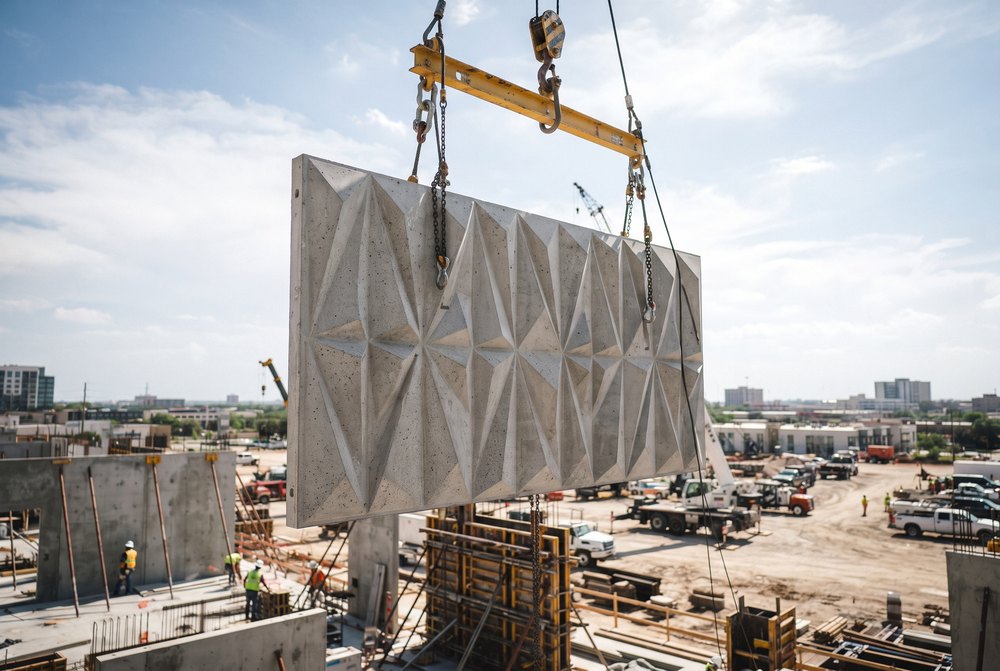
Bridges and Infrastructure:
Formliners are used in building bridges and other infrastructure to make them fit well with the surroundings. By adding natural textures like rock, wood, or foliage, bridges can blend in with the landscape. It helps them be less visually intrusive and more pleasing to look for people walking or driving by.