Blog post · December 1, 2024 · 4 min read
Formliners: Sculpting Spaces with Architectural Precision
Formliners are an important tool in the architectural world used to shape and sculpt concrete with precision. Typically, formliners are made of materials such as rubber, plastic, or fiberglass and…

Formliners are an important tool in the architectural world used to shape and sculpt concrete with precision. Typically, formliners are made of materials such as rubber, plastic, or fiberglass and are designed to fit perfectly inside formwork.
The main purpose of formliners is to create textures and patterns on concrete surfaces. This gives the structure a unique and visually appealing appearance. Ensuring architectural precision is easy for architects if they choose to work with formliners instead of traditional techniques.
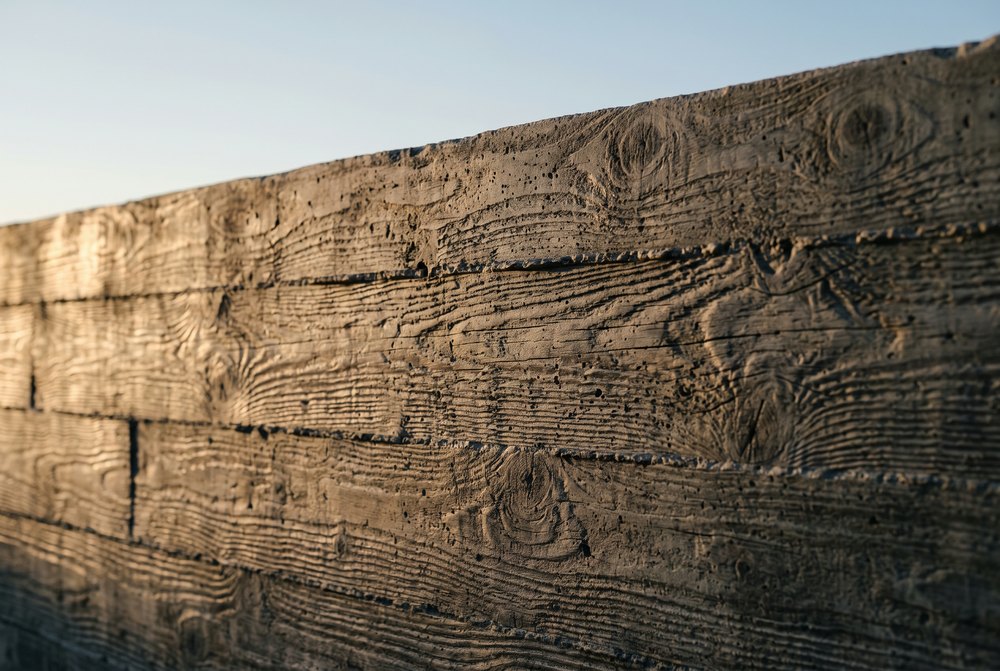 Formliners provide architectural precision in numerous ways. They contribute to the accurate execution of designs and patterns which helps in enhancing the overall aesthetics of concrete structures.
Here are the 5 ways formliners achieve architectural precision:
Formliners provide architectural precision in numerous ways. They contribute to the accurate execution of designs and patterns which helps in enhancing the overall aesthetics of concrete structures.
Here are the 5 ways formliners achieve architectural precision:
5 Ways Formliners Provide Architectural Precision
Formliners provide architectural precision in numerous ways. They contribute to the accurate execution of designs and patterns which helps in enhancing the overall aesthetics of concrete structures.
Here are the 5 ways formliners achieve architectural precision:
1. Consistent Patterns and Textures
When formliners are manufactured, they are crafted with attention to detail. Manufacturers ensure that the patterns and textures are uniform and consistent throughout. It allows architects to make sure that they achieve the desired aesthetics with accuracy. The final result is a cohesive and polished appearance that makes the structure unique. Consistent patterns and textures make it possible for architects to create harmonious and well-designed architectural structures.2. Accurate Reproduction of Details
Formliners are capable of reproducing accurate details and textures on concrete surfaces. Some of these details include:- Logos
- Branding elements
- intricate reliefs
- Customized designs and textures
3. Repeatability
Repeatability refers to the ability to consistently replicate patterns and designs across the structure. Whenever architects work on a large-scale project, they need to ensure that all sections of the structure have a consistent design. Formliners help them in achieving repeatability as it provides a reliable and consistent means of creating decorative surfaces. Since the formliners are manufactured with high precision and accuracy, they leave little margin for error. Formliners ensure that all sections of the building have identical patterns and textures. It eliminates the chances of error that traditional techniques pose. Repeatability assists architects in completing successful projects with minimum time and effort.4. Controlled Depth and Relief
Formliners allow architects to achieve controlled depth and relief in architectural structures. They offer designers great control over the depth of formliners that allows them to tailor visual effects according to the project requirements. Moreover, by having control over the relief, architects can achieve different effects such as subtle textures and pronounced designs. For example, an architect may want to create a repetitive geometric pattern on a building’s exterior. With the assistance of formliners with controlled depth, they can decide the extent to which a pattern sticks out from the surface. This will allow the architect to create cohesive and engaging facade.5. Integration with Sustainable Solutions
Some formliners are made of eco-friendly and recyclable materials that contribute to sustainable building practices. Utilizing formliners aligns with the values of the architectural industry that promotes eco-friendly design choices.How do Formliners Work?
Formliners are special molds that are designed to be placed inside a formwork. A formwork acts as a temporary mold that contains liquid concrete until it hardens. Below are step-by-step points that explain how formliners work-
-
Setting up Formwork
-
-
-
Placement of Formliner
-
-
-
Pouring Concrete
-
-
-
Curing Concrete
-
-
-
Formwork Removal
-
-
-
Revealing the Pattern
-