Blog post · December 30, 2024 · 7 min read
Introduction to Formliners: Easy Ways to Customize Concrete in Architecture
TL; DR Formliners are a versatile and transformative tool in the world of concrete design. They offer opportunities to enhance the visual appeal, texture, and customization of concrete surfaces.…
TL; DR
Formliners are a versatile and transformative tool in the world of concrete design. They offer opportunities to enhance the visual appeal, texture, and customization of concrete surfaces. Whether you're aiming for a classic or modern look, formliners can bring architecture’s unique vision to life. Moreover, they align with sustainable construction practices by reducing resource consumption. To make the most of formliners, select the right type based on your project's needs and follow the essential steps such as:- Preparation
- Installation
- Pouring
- Curing
- Removal
Transforming Concrete with Formliners
Concrete is a main tool in construction and architecture due to its reputation for sturdiness and reliability. However, we often see concrete finishes as bland and uninspiring. If you're looking to add personality and artistic flair to your concrete projects, there's an underutilized secret waiting for you: formliners. These materials can take your concrete surfaces from ordinary to extraordinary.What Are Formliners?
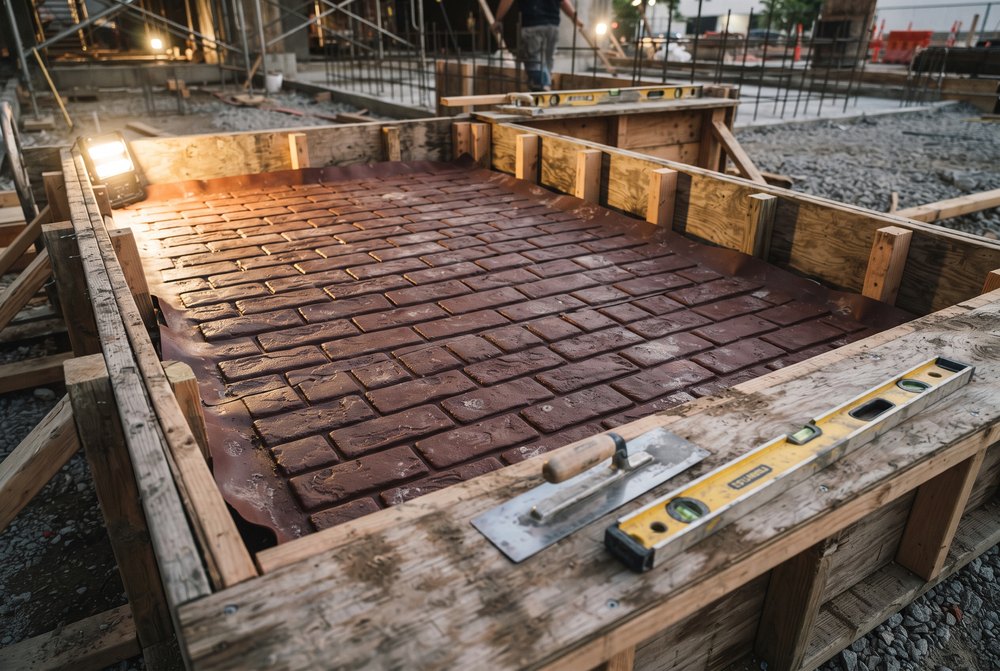
Before we dive into how formliners can transform concrete, let's understand what they are. Formliners are molds or templates made from various materials, such as rubber, plastic, or foam. They are designed to be placed within the formwork before pouring concrete. When the concrete sets and the forms are removed, the surface shows the intricate design or texture of the formliner.Elevating Aesthetics
One of the main advantages of formliners is their ability to enhance the visual appeal of concrete surfaces. Whether you're working on a residential project like a driveway or working on larger commercial ventures, formliners offer an extensive range of patterns and textures for every project. From classic brick and stone patterns to more avant-garde designs, formliners allow you to mimic the aesthetic appearance without a hefty price tag.Texture and Depth
Formliners aren't limited to aesthetics alone; they can also introduce texture and depth to your concrete structures. Formliners also have the ability to add tactics dimension to concrete structures. This tactile dimension can significantly enhance the sensory experience of your space which makes it more engaging.Customization Without Constraints
Creativity knows no bounds, and with formliners, your design possibilities are limitless. You can craft customized designs to meet your project's unique requirements. Whether you're aiming for a weathered appearance or a sleek, modern finish, formliners can help you achieve your vision with precision.Sustainability Matters
In today's world, sustainability is a top priority for many businesses. Fortunately, formliners align with eco-friendly construction practices. By enabling you to replicate the appearance of scarce resources, you can save natural habitats and reduce waste; while also achieving your desired construction goals.Factors to Consider Before Choosing a Formliner?
Selecting the perfect formliner is the first and crucial step in your concrete design journey. Here are some factors to consider before choosing a formliner:1. Design Vision
Begin by visualizing the final look of your concrete project. Are you aiming for a classic, timeless appearance, or do you have a more contemporary vision? The design style you desire will influence the type of formliner you choose.2. Material and Texture
Formliners are available in various materials, including rubber, plastic, and foam. Each material has its unique qualities, affecting the final texture and appearance of the concrete surface. Consider the tactile and visual effects you want to achieve when selecting the material.3. Reusability
If you have multiple projects in mind, you might want to invest in reusable formliners. These can be a cost-effective choice, especially for contractors or builders who often anticipate using them.4. Project Size
The scale of your project matters as well. Some formliners are better suited for smaller residential applications, while others are designed for more extensive commercial or industrial projects. Make sure the formliner you select aligns with the scope of your work.5. Environmental Impact
In today's eco-conscious world, sustainability is a consideration for many builders. Look for formliners manufactured with environmentally friendly practices and materials which help you reduce your project's carbon footprint.Preparing Concrete Canvas
Once you've chosen the right formliner, it's time to prepare your concrete canvas. Here's what you need to do:1. Clean and Smooth Forms
Ensure that the forms or molds into which you'll pour the concrete are clean, debris-free, and smooth. Any imperfections in the form can transfer to the concrete's surface which can affect the final result.2. Proper Form Release
Apply a suitable form release agent to prevent the concrete from adhering to the forms. This will make removing the forms easier and reveal the textured surface created by the formliner.3. Concrete Mix
Select a high-quality concrete mix that's suitable for your project. Follow the manufacturer's recommendations for water-to-cement ratio and mix consistency. The right mix ensures the concrete adheres well to the formliner.Formliner Installation
Installing the formliner correctly is crucial to achieving the desired outcome. Here are the steps involved:1. Secure the Formliner
Securing the formliner is the first crucial step in ensuring the success of your concrete design. Here's how to do it:- Cleaning and Preparation:
- Alignment:
- Fastening:
2. Pour the Concrete
The second step is where you pour the concrete into the prepared forms. This phase requires careful attention to detail to achieve an even and textured surface:- Concrete Mix:
- Minimizing Air Bubbles and Voids:
- Even Distribution:
3. Cure and Remove
Once the concrete is poured, it's time to let it cure and properly reveal the textured surface created by the formliner:- Curing:
- Patience:
- Form Removal: