Blog post · February 24, 2026 · 8 min read
Landscaping with Concrete: Merging Functionality and Aesthetics
Source URL Concrete has evolved far beyond basic construction material. Modern landscaping design increasingly uses decorative concrete to create outdoor environments that combine durability,…
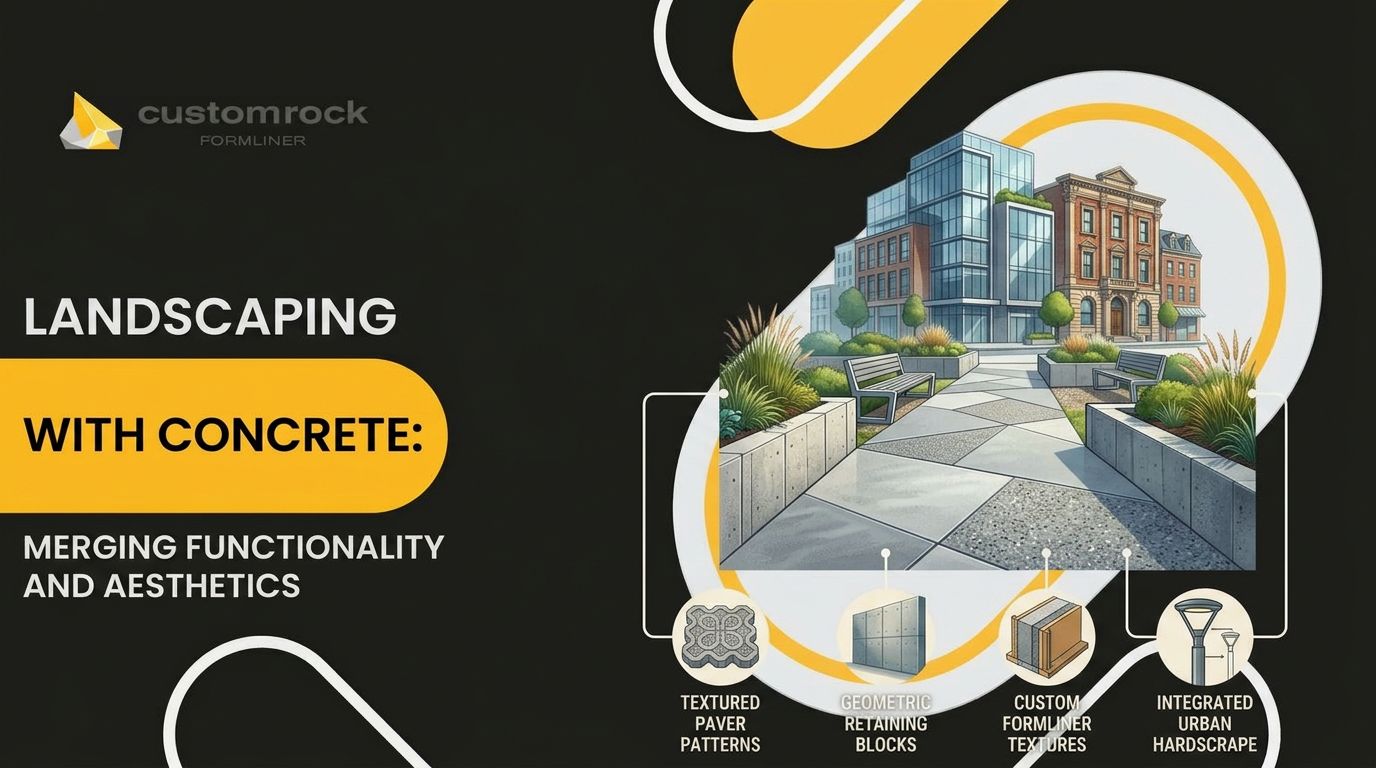
 Source URL
Concrete has evolved far beyond basic construction material. Modern landscaping design increasingly uses decorative concrete to create outdoor environments that combine durability, structural strength, and visual appeal. From garden paths to outdoor living spaces, concrete provides flexibility in design while maintaining long-term performance in changing weather conditions.
Property owners and landscape designers now use decorative concrete in landscaping to create natural-looking textures, stone effects, and custom patterns. Through advanced surface finishing and molding techniques, concrete can replicate natural stone, wood, or textured rock surfaces while requiring less maintenance over time.
Manufacturers such as Custom Rock have contributed to the development of specialized surface textures and concrete forming solutions that help create consistent, realistic landscaping finishes across residential and commercial projects.
For those exploring decorative applications, learning about material behavior, surface patterning technology, and installation methods is essential for long-term landscape success.
Source URL
Concrete has evolved far beyond basic construction material. Modern landscaping design increasingly uses decorative concrete to create outdoor environments that combine durability, structural strength, and visual appeal. From garden paths to outdoor living spaces, concrete provides flexibility in design while maintaining long-term performance in changing weather conditions.
Property owners and landscape designers now use decorative concrete in landscaping to create natural-looking textures, stone effects, and custom patterns. Through advanced surface finishing and molding techniques, concrete can replicate natural stone, wood, or textured rock surfaces while requiring less maintenance over time.
Manufacturers such as Custom Rock have contributed to the development of specialized surface textures and concrete forming solutions that help create consistent, realistic landscaping finishes across residential and commercial projects.
For those exploring decorative applications, learning about material behavior, surface patterning technology, and installation methods is essential for long-term landscape success.
Why Decorative Concrete Is Transforming Modern Landscaping
Decorative concrete has become a major component of modern landscape architecture because it balances structural performance with design flexibility. Traditional landscaping materials such as stone and brick can be expensive and require complex installation, while decorative concrete allows designers to achieve similar aesthetics with improved durability and reduced long-term maintenance requirements. Additionally, decorative concrete in landscaping supports sustainable outdoor construction by minimizing material waste and enabling long service life. Modern finishing methods allow designers to create seamless transitions between structural elements and natural landscape features. Many property owners also choose decorative concrete for its ability to handle heavy foot traffic and harsh environmental exposure without rapid deterioration. Professionals often recommend consulting trusted suppliers such as Custom Rock when selecting materials that support both structural reliability and visual consistency.Long Term Structural Benefits of Decorative Concrete
Decorative concrete provides high compressive strength, weather resistance, and durability against freeze thaw cycles. These characteristics make it suitable for high traffic landscape areas. When installed correctly using quality molds and surface treatments, decorative concrete structures can maintain appearance and structural integrity for decades with minimal repair requirements.Applications of Decorative Concrete in Landscaping Design
Decorative concrete is used across multiple landscape elements because it allows customization while maintaining structural consistency. Designers can adapt finishes, patterns, and textures to match architectural styles or natural surroundings. Common uses include garden paths, retaining walls, and outdoor living spaces that require both durability and visual integration with the environment. When exploring material options, many designers research decorative concrete in landscaping through educational resources available on the Custom Rock home platform and company background resources available through the Custom Rock about page to better understand manufacturing processes and material performance.Garden Paths and Walkways
Concrete pathways can replicate natural stone, brick, or wood textures using advanced concrete form liner patterns. These pathways improve accessibility and reduce soil erosion. Proper installation ensures smooth surface transitions, improving safety while maintaining landscape aesthetics. Decorative path designs also support drainage planning and water flow control.Retaining Wall Structures
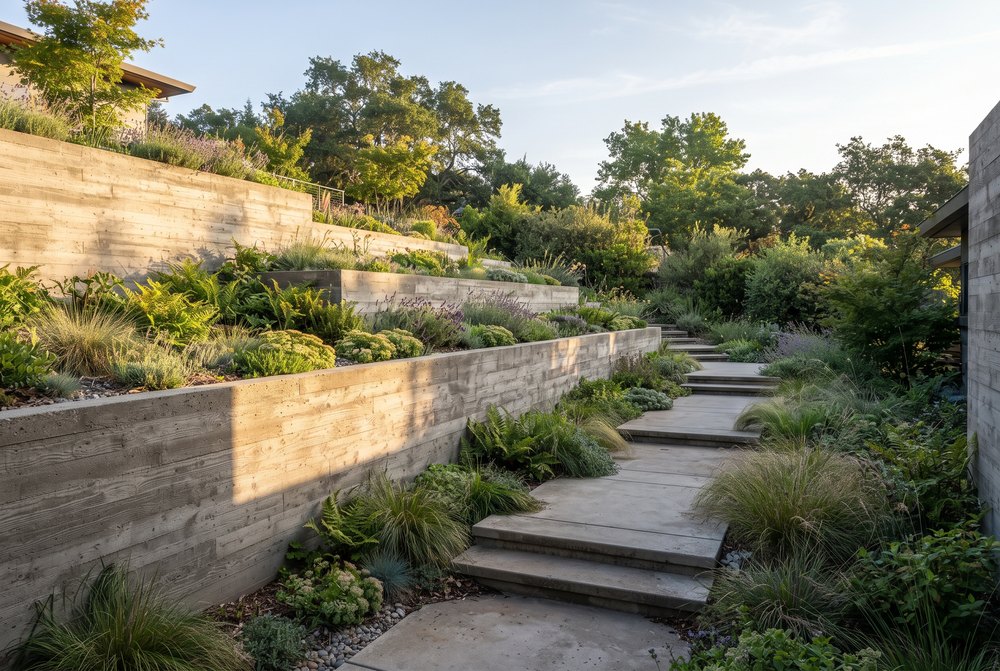
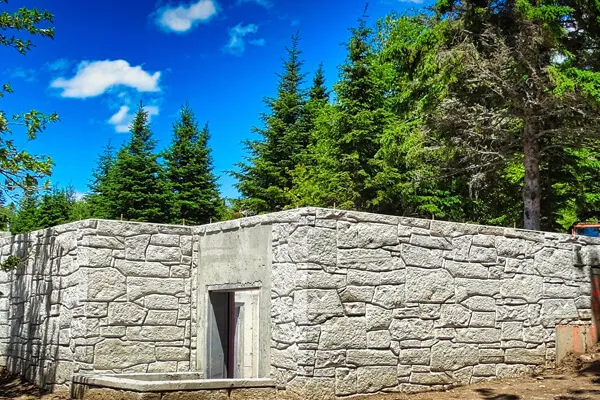
Concrete retaining walls provide structural soil support while allowing decorative finishes. Using plastic concrete form liners, installers can create rock or stone textures that blend with natural surroundings. These walls prevent soil movement, support elevation changes, and help create usable outdoor spaces on uneven terrain.Outdoor Living Space Integration
Outdoor living spaces benefit from decorative concrete surfaces that provide slip resistance, weather durability, and design flexibility. Concrete patios, seating areas, and fire pit surrounds can be customized using concrete form liner patterns. These solutions support long-term structural stability while maintaining visual appeal across seasonal weather changes.Role of Concrete Form Liners in Landscape Design
Concrete form liners allow contractors to imprint textures directly into concrete surfaces during casting. This process creates consistent decorative finishes without requiring hand carving or individual stone placement. The technology supports faster installation timelines and ensures repeatable results across large landscaping projects. Plastic concrete form liners are widely used because they provide flexibility, durability, and cost efficiency during large production runs. These liners can be reused multiple times while maintaining texture clarity and pattern precision. Landscape professionals often evaluate liner quality carefully to ensure consistent surface detailing and long-term structural reliability. Custom Rock has contributed to innovations in liner design, helping improve texture realism and production efficiency in decorative concrete installations.Types of Form Liner Pattern Applications
Form liner patterns can replicate natural rock faces, stacked stone, wood grain, and custom geometric textures. Selecting the correct pattern depends on project style, surrounding materials, and environmental exposure. High quality liners ensure consistent replication across large concrete surfaces, improving visual continuity in landscape installations.Comparing Decorative Concrete with Traditional Landscaping Materials
Choosing between decorative concrete and traditional materials depends on project goals, maintenance expectations, and environmental conditions. Many landscape professionals compare durability, installation complexity, and long-term cost efficiency before selecting materials.| Material | Durability | Maintenance | Installation Complexity | Design Flexibility |
| Decorative Concrete | High | Low | Moderate | Very High |
| Natural Stone | High | Moderate | High | Moderate |
| Brick | Moderate | Moderate | Moderate | Moderate |
| Wood | Low to Moderate | High | Low | Moderate |
Cost Efficiency and Lifecycle Value
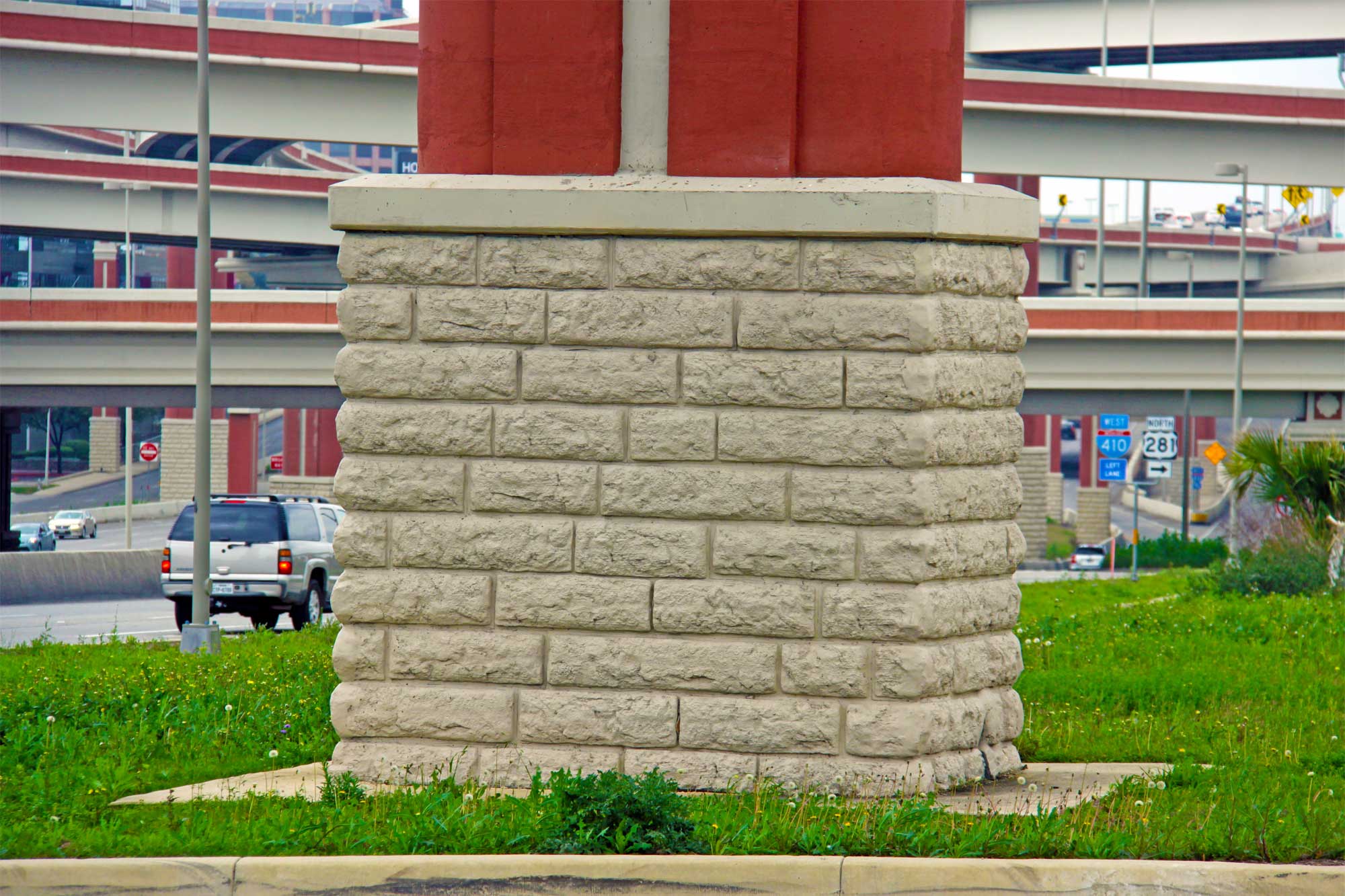
Decorative concrete reduces long-term maintenance costs because it resists cracking, weather damage, and pest issues. Compared to natural stone installation, decorative concrete can lower labor costs while maintaining similar aesthetic value. Lifecycle cost analysis often shows decorative concrete as a cost-efficient landscape solution.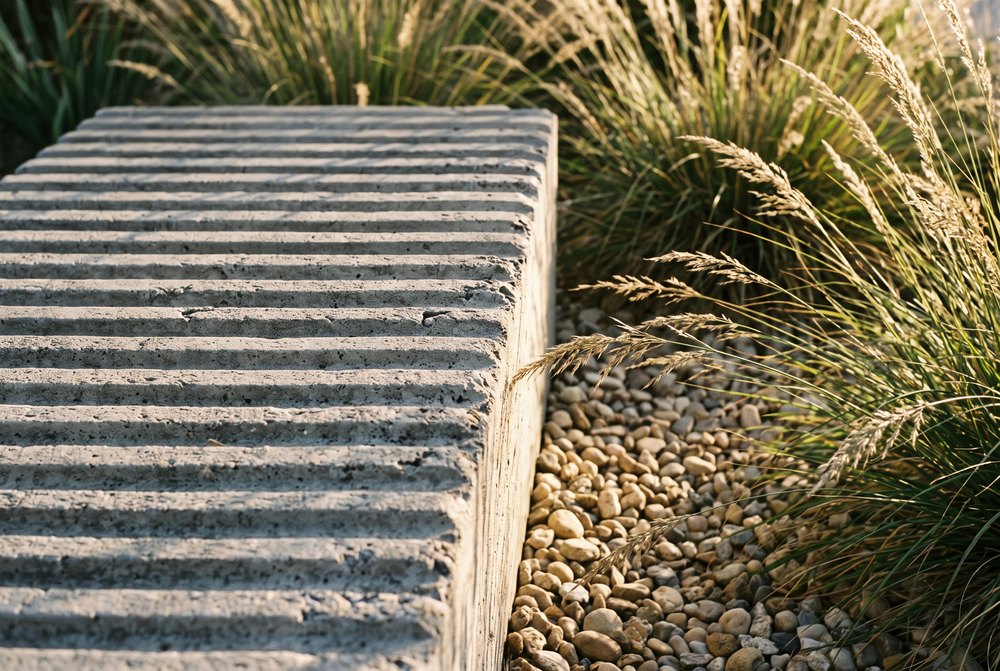 Source URL
Installation Planning and Design Considerations
Proper planning is critical when implementing decorative concrete landscaping projects. Soil stability, drainage design, and environmental exposure must be evaluated before installation begins. Landscape professionals also consider structural load requirements and expansion joint placement. Custom Rock technical resources help contractors understand mold selection, texture compatibility, and installation sequencing to ensure long term structural success. Key installation considerations include:- Soil compaction and base preparation
- Drainage channel placement
- Weather curing conditions
- Expansion joint spacing
- Surface sealing and protection
Environmental Impact and Sustainability
Decorative concrete supports sustainable landscaping by reducing replacement frequency and minimizing raw material extraction compared to natural stone quarrying. Long service life reduces environmental impact. Additionally, modern concrete mixes can include recycled materials, improving overall environmental responsibility in landscape construction.Maintenance Requirements for Decorative Concrete Landscaping
Decorative concrete requires relatively low maintenance compared to traditional landscape materials. Periodic cleaning and surface sealing help maintain appearance and protect against moisture penetration or staining. Property owners should inspect decorative concrete surfaces annually for small cracks or joint separation. Early repair helps prevent long term structural damage. Routine maintenance steps include:- Annual pressure washing
- Resealing every few years
- Crack inspection and repair
- Drainage clearing