Blog post · June 15, 2026 · 5 min read
Mixing Old and New: The Modern Heritage Style Taking Over in 2026
TLDR: Modern Heritage is blowing up in 2026 because it lets you keep the soul of older homes while making them comfortable for how we live now. It combines things like traditional moldings, real wood…
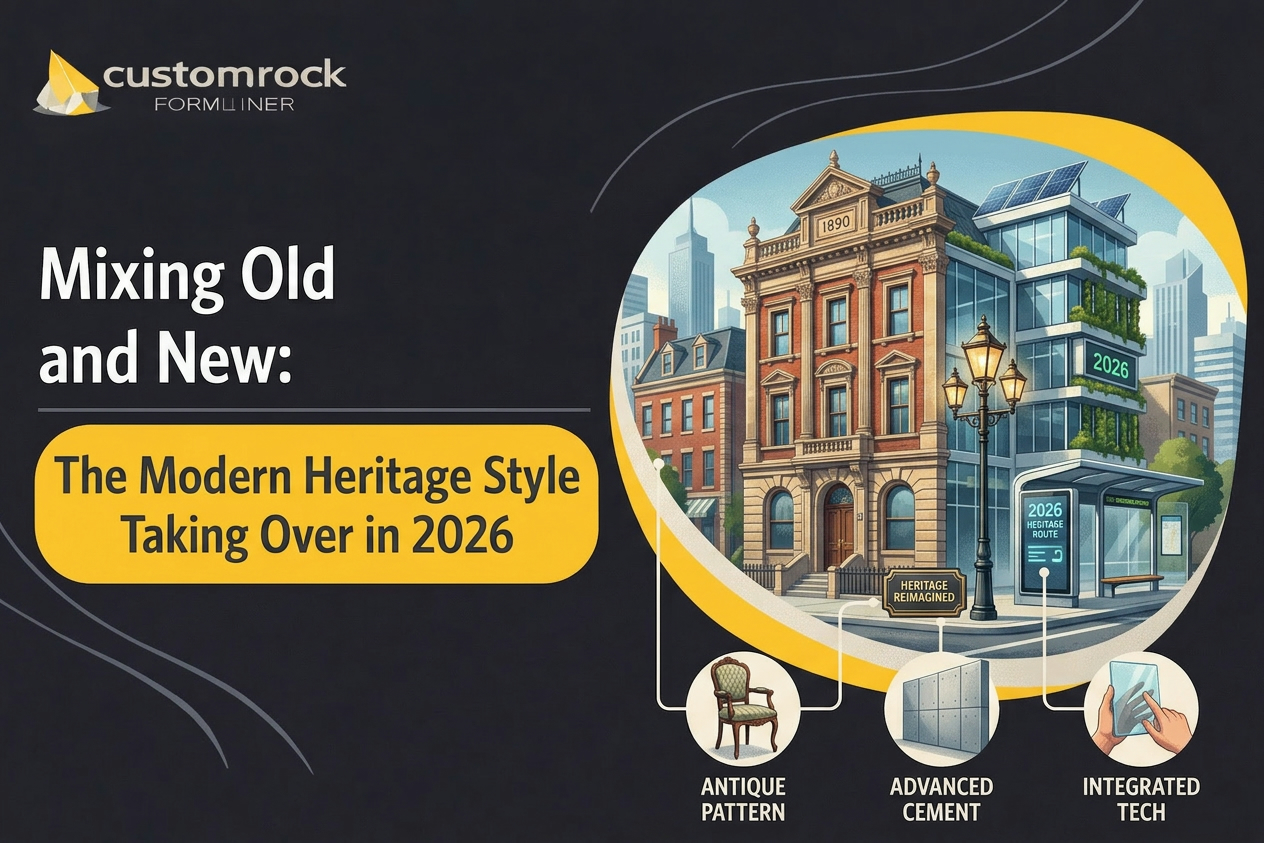
TLDR: Modern Heritage is blowing up in 2026 because it lets you keep the soul of older homes while making them comfortable for how we live now. It combines things like traditional moldings, real wood with visible grain, and vintage furniture with simpler sofas, better lighting, and quiet neutral colors. Barry and Jordan from The Brownstone Boys even helped name it; they talk about restored woodwork next to a contemporary sofa or antique lighting with fun wallpaper. The rooms end up looking like they were put together slowly over the years, not all at once.
It works great in old houses by respecting what’s already there and in new houses by adding warmth that plain spaces often miss. Warm neutrals, linen, wool, and careful mixing keep everything feeling calm and lived-in. A lot of people are drawn to it because the spaces feel personal and practical instead of too perfect or too cold. You can start small — keep the original moldings and just update the sofa or bring in one good vintage piece — and the whole room changes without a huge renovation.
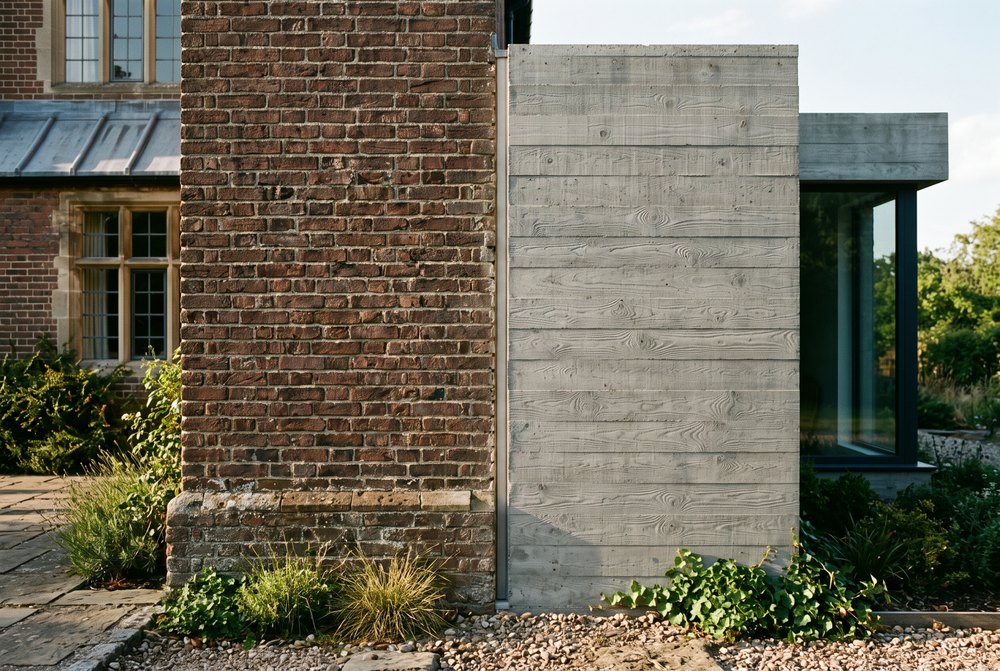 Modern Heritage has been gaining real momentum this year. It sits right in the middle between heavy traditional rooms and very bare modern ones. The idea is simple: take good things from the past and pair them with what actually works for daily life today.
A lot of homeowners have grown tired of rooms that feel either too formal or too empty. They still want open layouts and good light, but they also want their house to have some history and warmth. Modern Heritage gives them a way to have both without forcing everything to match.
It is not about recreating an old period house or starting over with all new furniture. It is about mixing the two so the space feels like it has been built up gradually. The rooms end up looking collected and comfortable rather than styled for a photo.
Modern Heritage has been gaining real momentum this year. It sits right in the middle between heavy traditional rooms and very bare modern ones. The idea is simple: take good things from the past and pair them with what actually works for daily life today.
A lot of homeowners have grown tired of rooms that feel either too formal or too empty. They still want open layouts and good light, but they also want their house to have some history and warmth. Modern Heritage gives them a way to have both without forcing everything to match.
It is not about recreating an old period house or starting over with all new furniture. It is about mixing the two so the space feels like it has been built up gradually. The rooms end up looking collected and comfortable rather than styled for a photo.
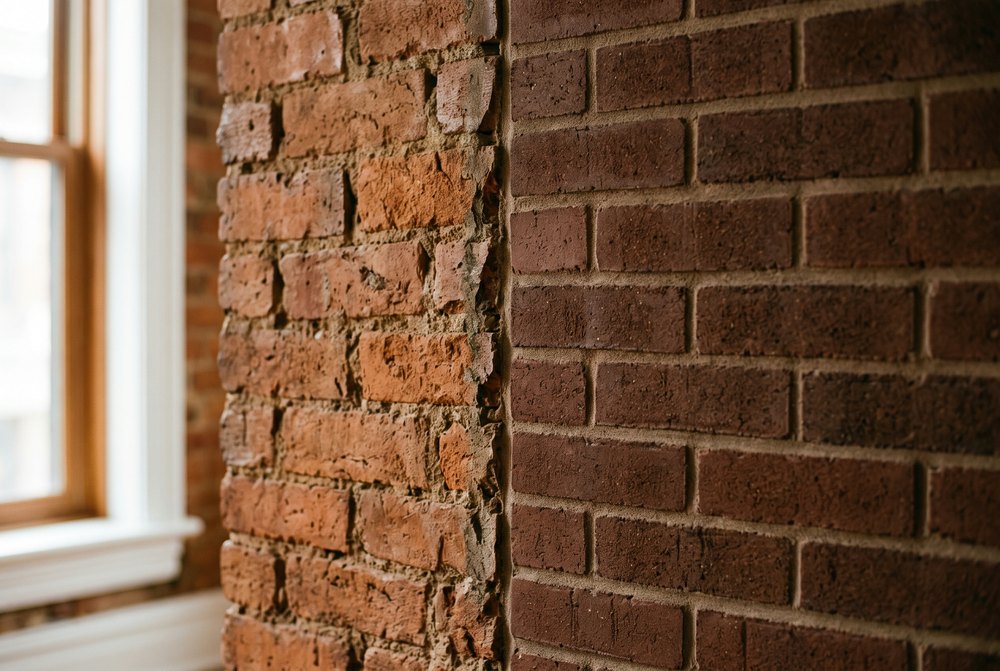 In older homes, the main goal is usually to protect what is already there. Original floors, fireplaces, or woodwork become the starting point. Updates then focus on making the space lighter and easier to use while keeping its personality.
Newer homes often need the opposite. Adding a bit of millwork or a couple of older pieces can warm up walls and ceilings that sometimes feel too plain.
Many people start small. They bring in one solid vintage piece — a sideboard, dining table, or armchair — and let the rest of the room stay simpler. That one piece can shift the whole feeling.
Textures help tie everything together. A thick wool rug, linen curtains, or leather cushions can connect older and newer items even when they look quite different.
In older homes, the main goal is usually to protect what is already there. Original floors, fireplaces, or woodwork become the starting point. Updates then focus on making the space lighter and easier to use while keeping its personality.
Newer homes often need the opposite. Adding a bit of millwork or a couple of older pieces can warm up walls and ceilings that sometimes feel too plain.
Many people start small. They bring in one solid vintage piece — a sideboard, dining table, or armchair — and let the rest of the room stay simpler. That one piece can shift the whole feeling.
Textures help tie everything together. A thick wool rug, linen curtains, or leather cushions can connect older and newer items even when they look quite different.
Mixing Old and New: The Modern Heritage Style Taking Over in 2026
Modern Heritage has been gaining real momentum this year. It sits right in the middle between heavy traditional rooms and very bare modern ones. The idea is simple: take good things from the past and pair them with what actually works for daily life today.
A lot of homeowners have grown tired of rooms that feel either too formal or too empty. They still want open layouts and good light, but they also want their house to have some history and warmth. Modern Heritage gives them a way to have both without forcing everything to match.
It is not about recreating an old period house or starting over with all new furniture. It is about mixing the two so the space feels like it has been built up gradually. The rooms end up looking collected and comfortable rather than styled for a photo.
What the Style Usually Includes
You will see certain things showing up often. Architectural details like crown molding, picture rails, or fluted woodwork give the room backbone. In older homes, these might already exist. In newer ones, adding a few pieces can make the space feel more grounded. Natural materials carry a lot of character. Solid wood that shows its grain, reclaimed timber, stone, linen, wool, and leather bring real texture and warmth. Deeper wood tones show up a lot because they catch light well and add depth. Furniture is where the mixing happens most clearly. An old dining table can sit with modern chairs. A vintage cabinet might stand next to a low, clean sofa. The pieces come from different times but feel right together because of how they balance in size and feel. Colors tend to stay soft and warm — taupes, creamy beiges, warm grays, and muted earth tones. These let the wood and fabrics stand out instead of competing. Lighting and small details finish the look. A modern pendant can hang over an old table. A classic lamp can sit on a simple console. Artwork often mixes periods, too — an older painting next to something more abstract.How It Plays Out in Real Houses
In older homes, the main goal is usually to protect what is already there. Original floors, fireplaces, or woodwork become the starting point. Updates then focus on making the space lighter and easier to use while keeping its personality.
Newer homes often need the opposite. Adding a bit of millwork or a couple of older pieces can warm up walls and ceilings that sometimes feel too plain.
Many people start small. They bring in one solid vintage piece — a sideboard, dining table, or armchair — and let the rest of the room stay simpler. That one piece can shift the whole feeling.
Textures help tie everything together. A thick wool rug, linen curtains, or leather cushions can connect older and newer items even when they look quite different.