Blog post · January 5, 2026 · 8 min read
Modular and Prefab Building in 2026: Trends, Challenges, and ROI
TL;DR: As 2025 ends, modular and prefab construction is moving firmly into the mainstream, with the global market valued around $111–$173 billion in 2025 and projected to reach $119–$183 billion by…
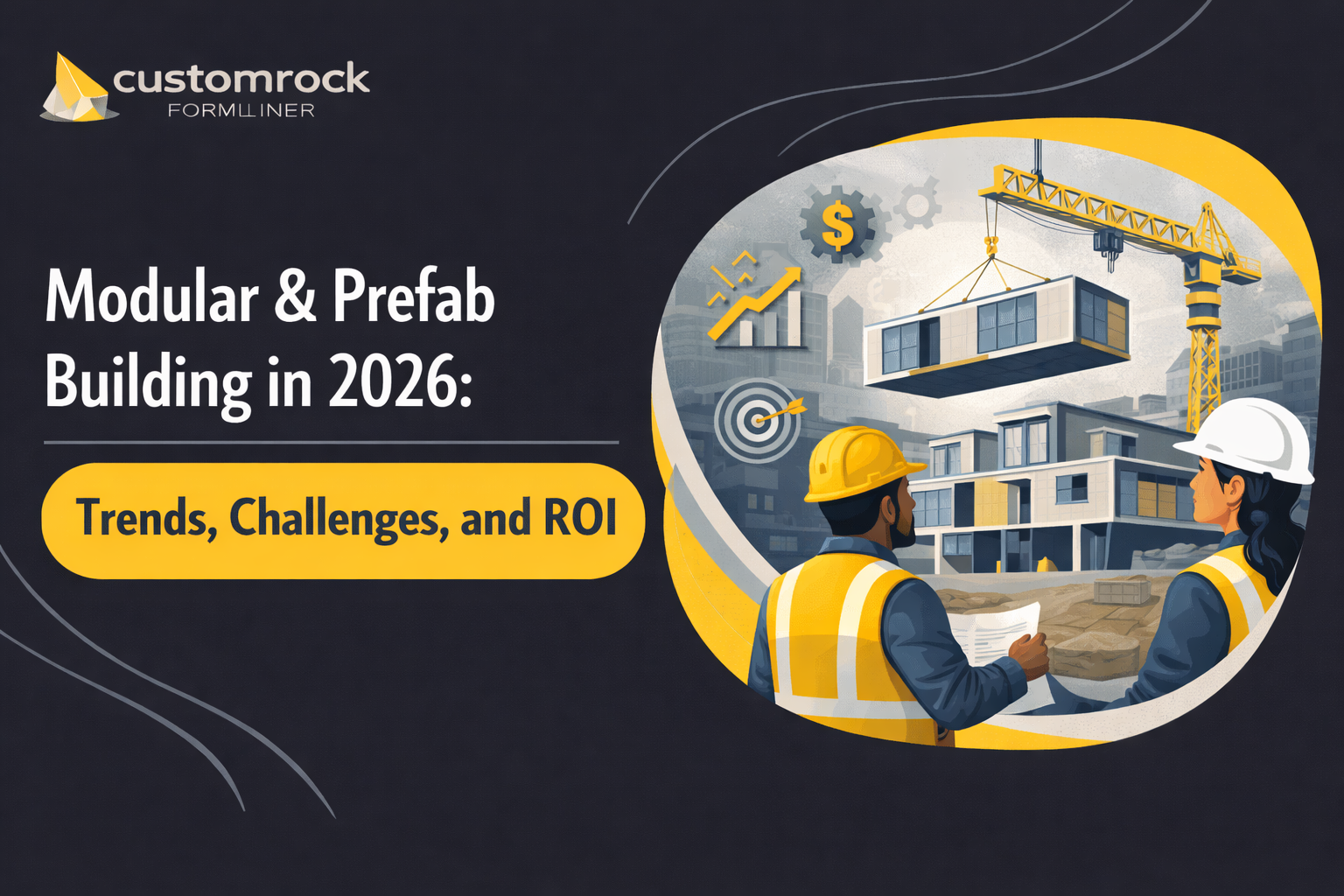
TL;DR: As 2025 ends, modular and prefab construction is moving firmly into the mainstream, with the global market valued around $111–$173 billion in 2025 and projected to reach $119–$183 billion by the end of 2026 (CAGR 5–8%). Key drivers include ongoing labor shortages, tougher climate rules, urban land pressures, and better factory tech.
Sustainability leads the way—factory production slashes waste 50–90%, cuts on-site emissions, and makes low-carbon/recycled materials standard. Tech advances like BIM, digital twins, AI design, robotics, and 3D printing deliver precision and speed.
The method now handles everything from homes to high-rises, hotels, healthcare, and data centers, with permanent modular dominating (60–70%). Old “boxy” stereotypes are gone—modern designs feature bold looks, biophilic elements, and flexible upgrades. New models like modular-as-a-service and retrofits are emerging. Challenges remain: high startup costs, tricky long-distance logistics (especially >500 miles), uneven regulations/codes, and lingering perceptions of lower quality.
Financially, it shines—projects finish 30–60% faster (earlier revenue, lower financing costs), budgets are more predictable (10–20% savings common), quality reduces long-term maintenance/energy bills, and investors love the speed + green credentials for better returns (often 10–20% margins in housing). In short: modular is no longer “alternative”; it’s increasingly the practical, profitable, future-proof choice for solving housing shortages, carbon goals, and efficiency demands. The shift is real and accelerating in 2026.
 We're wrapping up 2025, and honestly, if you've been paying attention to how buildings actually get put together these days, modular and prefab construction doesn't feel like some distant “next big thing” anymore. It feels like it's already here, and it's working better than a lot of people expected. What started out as a workaround for tight budgets, remote sites, or quick emergency housing has grown into one of the most sensible, reliable ways many developers, contractors, and even big investors prefer to build right now.
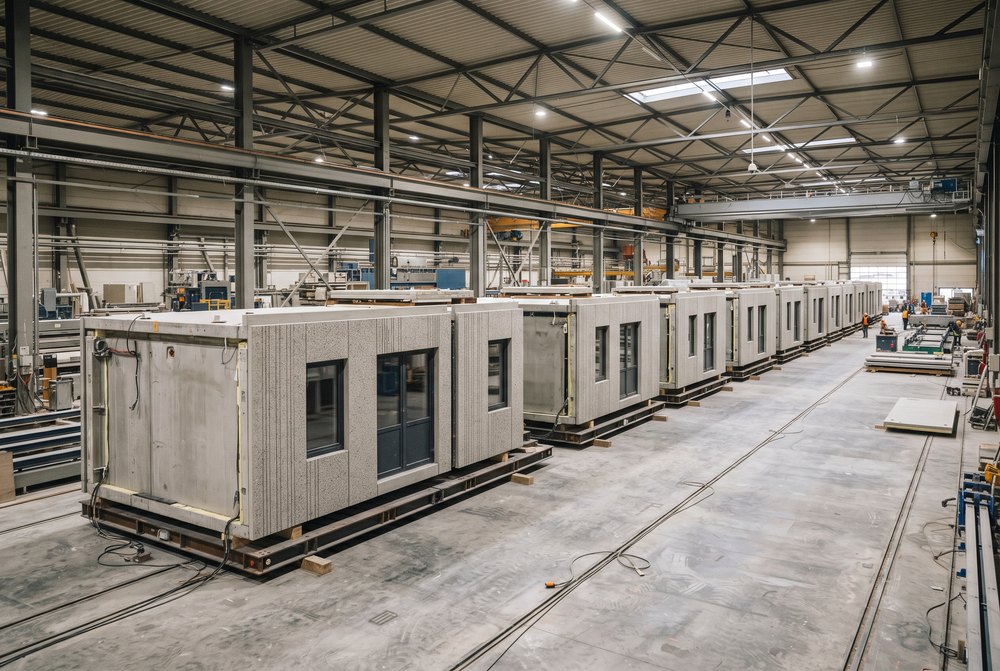
Factories are churning out complete room modules, entire bathroom pods, full wall sections with windows and insulation already installed, even whole floor plates. The precision is scary good compared to what happens when twenty different trades are fighting the weather on a traditional site.
Buildings go up noticeably faster, waste drops a ton, budgets hold together better, and in many cases the finished product actually performs better over the long haul—less air leakage, better energy numbers, fewer call-backs.
The market tells the same story. Depending on which report you read, the global modular/prefab sector was worth somewhere between $111 billion and $173 billion in 2025. Most serious forecasts have it climbing to $119–$183 billion by the close of 2026, with annual growth settling in around 5–8% for the next several years.
Nothing crazy explosive, but steady and real. The reasons are pretty obvious once you look at them: we still can't find enough skilled tradespeople, climate rules keep getting stricter, land and labor costs in cities are insane, and the factory tech itself has improved a huge amount in the last five years.
We're wrapping up 2025, and honestly, if you've been paying attention to how buildings actually get put together these days, modular and prefab construction doesn't feel like some distant “next big thing” anymore. It feels like it's already here, and it's working better than a lot of people expected. What started out as a workaround for tight budgets, remote sites, or quick emergency housing has grown into one of the most sensible, reliable ways many developers, contractors, and even big investors prefer to build right now.
Factories are churning out complete room modules, entire bathroom pods, full wall sections with windows and insulation already installed, even whole floor plates. The precision is scary good compared to what happens when twenty different trades are fighting the weather on a traditional site.
Buildings go up noticeably faster, waste drops a ton, budgets hold together better, and in many cases the finished product actually performs better over the long haul—less air leakage, better energy numbers, fewer call-backs.
The market tells the same story. Depending on which report you read, the global modular/prefab sector was worth somewhere between $111 billion and $173 billion in 2025. Most serious forecasts have it climbing to $119–$183 billion by the close of 2026, with annual growth settling in around 5–8% for the next several years.
Nothing crazy explosive, but steady and real. The reasons are pretty obvious once you look at them: we still can't find enough skilled tradespeople, climate rules keep getting stricter, land and labor costs in cities are insane, and the factory tech itself has improved a huge amount in the last five years.
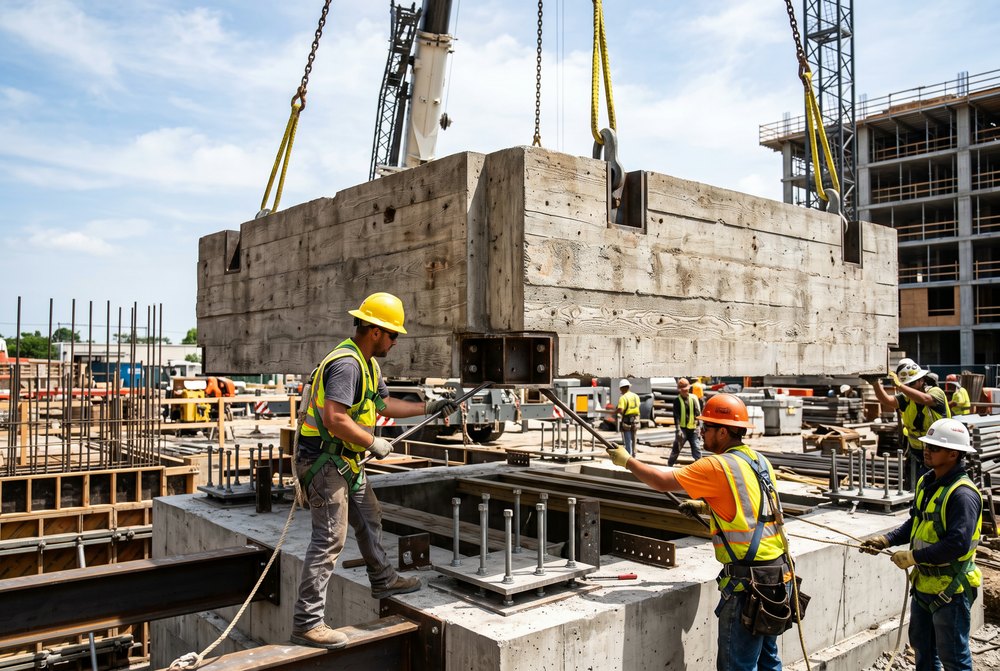 The environmental side is probably the strongest single argument right now. When you build big pieces inside a factory, you use way less material because everything is measured exactly—no guesswork cuts, no piles of off-cuts sitting in the rain.
Waste usually drops 50–90% compared with conventional builds. You also get far fewer diesel machines idling on site, way less dust, and a much smaller carbon hit during the actual construction phase.
Today's better factories are routinely working with recycled steel, low-carbon concrete mixes, responsibly harvested timber, and all kinds of bio-based insulation. A lot of projects roll up to the site already fitted with solar-ready roof sections, high-performance glazing, serious air-sealing, and energy-recovery systems built in. Developers who care about certifications are running full life-cycle carbon assessments as standard practice now—it lets them show real reductions not just during the build but over the next 50–100 years the building is standing. With governments everywhere tightening net-zero deadlines, modularity gives you one of the few practical ways to hit those targets without killing your schedule or blowing the budget.
The environmental side is probably the strongest single argument right now. When you build big pieces inside a factory, you use way less material because everything is measured exactly—no guesswork cuts, no piles of off-cuts sitting in the rain.
Waste usually drops 50–90% compared with conventional builds. You also get far fewer diesel machines idling on site, way less dust, and a much smaller carbon hit during the actual construction phase.
Today's better factories are routinely working with recycled steel, low-carbon concrete mixes, responsibly harvested timber, and all kinds of bio-based insulation. A lot of projects roll up to the site already fitted with solar-ready roof sections, high-performance glazing, serious air-sealing, and energy-recovery systems built in. Developers who care about certifications are running full life-cycle carbon assessments as standard practice now—it lets them show real reductions not just during the build but over the next 50–100 years the building is standing. With governments everywhere tightening net-zero deadlines, modularity gives you one of the few practical ways to hit those targets without killing your schedule or blowing the budget.
Modular and Prefab Building in 2026: Trends, Challenges, and ROI
We're wrapping up 2025, and honestly, if you've been paying attention to how buildings actually get put together these days, modular and prefab construction doesn't feel like some distant “next big thing” anymore. It feels like it's already here, and it's working better than a lot of people expected. What started out as a workaround for tight budgets, remote sites, or quick emergency housing has grown into one of the most sensible, reliable ways many developers, contractors, and even big investors prefer to build right now.
Factories are churning out complete room modules, entire bathroom pods, full wall sections with windows and insulation already installed, even whole floor plates. The precision is scary good compared to what happens when twenty different trades are fighting the weather on a traditional site.
Buildings go up noticeably faster, waste drops a ton, budgets hold together better, and in many cases the finished product actually performs better over the long haul—less air leakage, better energy numbers, fewer call-backs.
The market tells the same story. Depending on which report you read, the global modular/prefab sector was worth somewhere between $111 billion and $173 billion in 2025. Most serious forecasts have it climbing to $119–$183 billion by the close of 2026, with annual growth settling in around 5–8% for the next several years.
Nothing crazy explosive, but steady and real. The reasons are pretty obvious once you look at them: we still can't find enough skilled tradespeople, climate rules keep getting stricter, land and labor costs in cities are insane, and the factory tech itself has improved a huge amount in the last five years.
Sustainability Is the Main Reason People Are Switching
The environmental side is probably the strongest single argument right now. When you build big pieces inside a factory, you use way less material because everything is measured exactly—no guesswork cuts, no piles of off-cuts sitting in the rain.
Waste usually drops 50–90% compared with conventional builds. You also get far fewer diesel machines idling on site, way less dust, and a much smaller carbon hit during the actual construction phase.
Today's better factories are routinely working with recycled steel, low-carbon concrete mixes, responsibly harvested timber, and all kinds of bio-based insulation. A lot of projects roll up to the site already fitted with solar-ready roof sections, high-performance glazing, serious air-sealing, and energy-recovery systems built in. Developers who care about certifications are running full life-cycle carbon assessments as standard practice now—it lets them show real reductions not just during the build but over the next 50–100 years the building is standing. With governments everywhere tightening net-zero deadlines, modularity gives you one of the few practical ways to hit those targets without killing your schedule or blowing the budget.