Blog post · May 5, 2025 · 7 min read
Role of Lighting in Architecture: Creating Atmosphere and Ambience
TL, DR Architects and designers thoughtfully consider the placement of natural and artificial lights while laying the foundation of the building. A good light setup shapes the overall atmosphere and…
TL, DR
Architects and designers thoughtfully consider the placement of natural and artificial lights while laying the foundation of the building. A good light setup shapes the overall atmosphere and Ambience of a place. Moreover, lighting also influences normal human behavior and tricks their mind.
Bright lights make a place look spacious and also create an energetic and creative atmosphere in the area. In contrast, dull light takes away all the energy from a place and makes it look less energetic and spacious. Particular lighting techniques are used for particular areas. For example, warm lights are used in intimate and comfortable settings, whereas bright lights are used in functional ones.
Lighting also plays an important role in crafting a place's ambiance. It sets the color tones and temperatures, highlights the features of a place, and enhances the character of a place as well. All these concepts are considered carefully while designing a building.
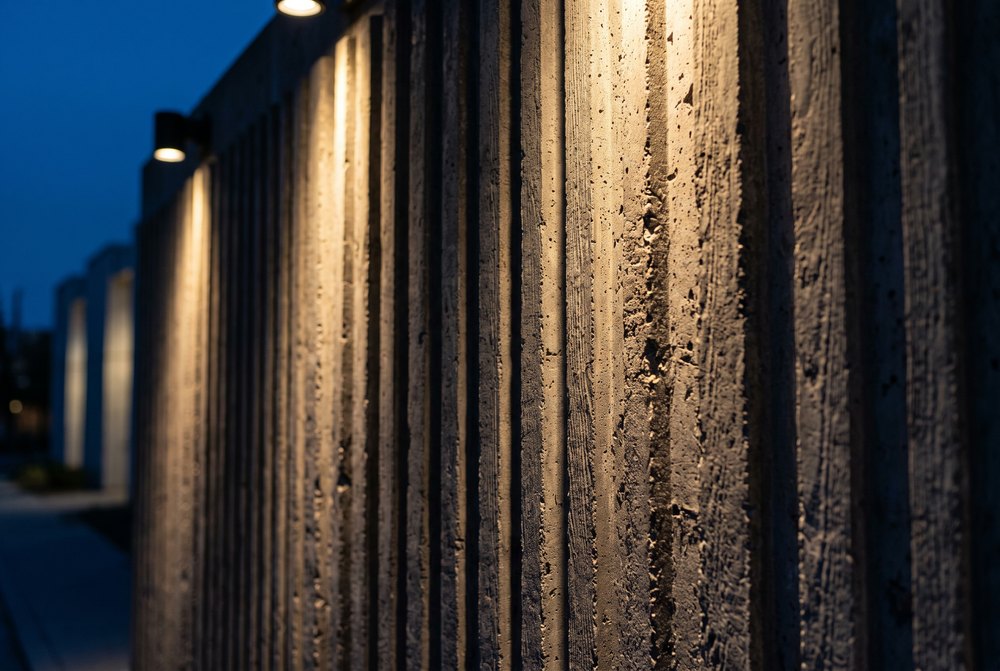 Whenever we walk into a place, the first thing we notice is the lighting, consciously or subconsciously. This is because lighting makes the view clear and creates a place's overall atmosphere and Ambience.
In architecture, lighting plays a crucial role, and buildings are designed to make lighting the best part of the design. Throughout the world, lighting techniques influence our atmosphere, and one wrong placement of light can ruin the whole aura of a place. This article is an in-depth analysis of how lighting plays a vital role in architecture and how it shapes a place. It will also reflect on creating a great atmosphere and Ambience using the right lights and techniques.
Whenever we walk into a place, the first thing we notice is the lighting, consciously or subconsciously. This is because lighting makes the view clear and creates a place's overall atmosphere and Ambience.
In architecture, lighting plays a crucial role, and buildings are designed to make lighting the best part of the design. Throughout the world, lighting techniques influence our atmosphere, and one wrong placement of light can ruin the whole aura of a place. This article is an in-depth analysis of how lighting plays a vital role in architecture and how it shapes a place. It will also reflect on creating a great atmosphere and Ambience using the right lights and techniques.
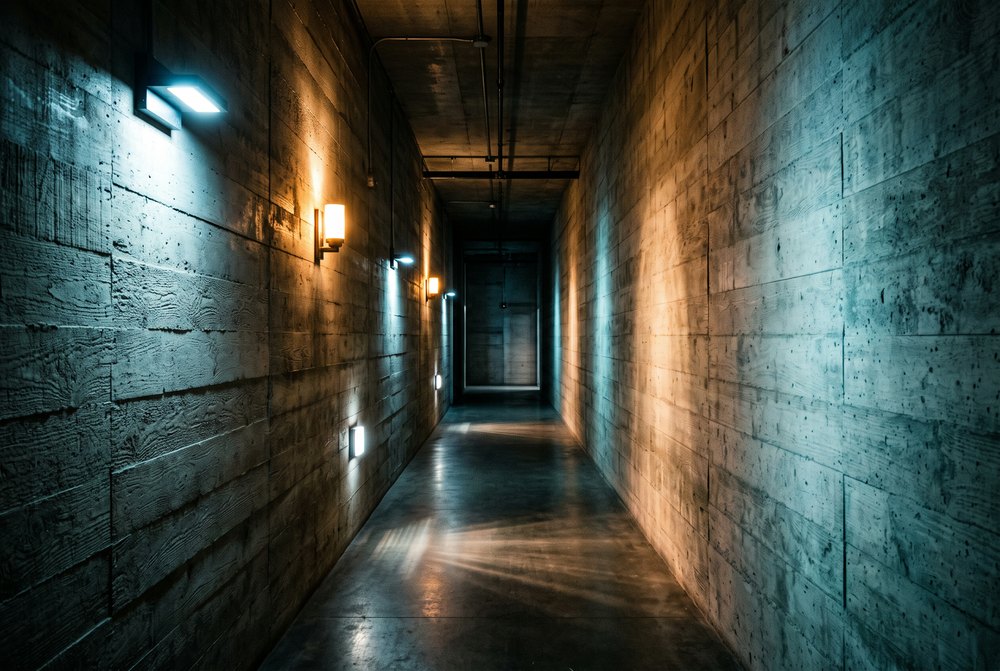 Whenever the goal is to achieve an energetic atmosphere for people, more dynamic lighting is placed in an area. This lighting technique involves more intense lights with bright shadows, which are placed thoughtfully in directions to make the atmosphere dynamic.
These lights help ensure more energy, concentration, and creativity among individuals and make them more productive during work hours. In bright light, no one feels dull, and everyone tends to work with a boost of energy.
Dynamic lights are used in a workplace setting where energy and productivity are the main goals, as well as in big halls for weddings or other events. Places where formal interactions, meetings, and functionality are profound use this lighting technique to make the place fulfill the desired working energy.
Whenever the goal is to achieve an energetic atmosphere for people, more dynamic lighting is placed in an area. This lighting technique involves more intense lights with bright shadows, which are placed thoughtfully in directions to make the atmosphere dynamic.
These lights help ensure more energy, concentration, and creativity among individuals and make them more productive during work hours. In bright light, no one feels dull, and everyone tends to work with a boost of energy.
Dynamic lights are used in a workplace setting where energy and productivity are the main goals, as well as in big halls for weddings or other events. Places where formal interactions, meetings, and functionality are profound use this lighting technique to make the place fulfill the desired working energy.
Role of Lighting in Architecture: Creating Atmosphere and Ambience
Whenever we walk into a place, the first thing we notice is the lighting, consciously or subconsciously. This is because lighting makes the view clear and creates a place's overall atmosphere and Ambience.
In architecture, lighting plays a crucial role, and buildings are designed to make lighting the best part of the design. Throughout the world, lighting techniques influence our atmosphere, and one wrong placement of light can ruin the whole aura of a place. This article is an in-depth analysis of how lighting plays a vital role in architecture and how it shapes a place. It will also reflect on creating a great atmosphere and Ambience using the right lights and techniques.
The Importance of Lighting in Architecture:
Lighting does not seem to be the main part of buildings. Well, this is where we all go wrong. Lighting plays an equal role as construction and other major elements of architecture. Lighting has both physical and psychological effects on the minds of people living or working at a place. When discussing the physical aspects, lights clarify the atmosphere and help carry out basic activities. It is believed that lighting also influences human behavior. For example, bright lights radiate energy and keep a person feeling fresh; creativity peaks in this light and atmosphere, whereas dull and dim lights also reduce a person's energy. These lights can make a person feel low, distracted, and sometimes sad. Lighting greatly impacts one's concentration and can heavily affect a person's day-to-day activities and functioning. Moreover, lighting has a greater effect on size and shape perceptions. For instance, you can make a tiny space look big and spacious by using bright lights and a bigger space smaller by using dull lights. This is how lighting tricks our minds. Lighting is so important in architecture that it is one of the biggest things to consider while laying the foundation of any design. Natural and artificial lighting is considered beforehand to avoid any inconveniences afterward. Simply put, the architecture industry heavily relies on lighting and can only work if they find perfect light placements in their designs. Architecture is often referred to as a storyteller, and lighting is one of the major adjuvants used to convey the story. It is so because lighting can the ability to connect one's mind with a place and make them either homely or cozy.Creating Atmosphere with Lighting Techniques:
Lighting can drastically change the whole atmosphere of a place. Here's how lighting techniques can craft an appropriate atmosphere for your needs.● Soft Lighting: A Warm Atmosphere
Soft lights, by name, define the quality of the atmosphere they offer. Whenever a place is supposed to be set in a comfortable setting with a warm and welcoming atmosphere, soft lights are used. It makes the place feel homely and evokes calming emotions and relaxation. These lightings are used in residential settings like bedrooms and living rooms to make the house feel like a warm embrace. Apart from houses, these colors are often used in restaurants, spas, galleries, and hotels, where a soothing environment is required. This technique makes a place ideal for a relaxing stay and makes the visitors comfortable.● Dynamic Lighting: Energetic Atmosphere
Whenever the goal is to achieve an energetic atmosphere for people, more dynamic lighting is placed in an area. This lighting technique involves more intense lights with bright shadows, which are placed thoughtfully in directions to make the atmosphere dynamic.
These lights help ensure more energy, concentration, and creativity among individuals and make them more productive during work hours. In bright light, no one feels dull, and everyone tends to work with a boost of energy.
Dynamic lights are used in a workplace setting where energy and productivity are the main goals, as well as in big halls for weddings or other events. Places where formal interactions, meetings, and functionality are profound use this lighting technique to make the place fulfill the desired working energy.