TL, DR Construction designs are known to have a great impact on mental well-being. Architecture itself can either reassure or aggravate us. Some of the most important aspects such as light, color,…
TL, DR
Construction designs are known to have a great impact on mental well-being. Architecture itself can either reassure or aggravate us. Some of the most important aspects such as light, color, space, and nature influence mood and behaviour.
Good lighting increases business capacity, welfare, and productivity of the workers, and lowers fatigue and demotivation. Thoughtful designs; for instance, have large windows or skylights to ensure that the building is well-illuminated naturally to promote better mental health.
Colour choice also matters; soft blue-green has a soothing effect while the hot reds and yellows may invigorate or may be overpowering. It is common to find that hospitals adopt low lighting to help decrease anxiety levels and bright colours for children’s wards.
Biophilic design incorporates natural elements like plants, natural products, or water bodies into the built environment. This strategy eradicates untoward tension, decreases blood pressure and enhances concentration.
Such characteristics are well illustrated by the Spheres of the American Internet company Amazon, where urban workplaces are filled with greens. Gardens and terraces; maintaining and improving relaxation thus decreasing the rate of loneliness among the employees.
The spatial layout seamlessly affects one’s behaviour. No place for relaxation in ancan make the workers feel stressed and demotivated. In homes today, people love the flexibility in the open living space, however, people need their own space to spend time.
This is especially important in healthcare facility designs, where easy identification of the required facilities is important.
Sound is also a Parameter of mental health. Stress and anxiety are common effects of noise pollution. Another common effect of noise pollution is interference with concentration.
The work of architects to control sound is through the use of carpets, acoustic panels and the implementation of quiet zones. Things such as meditation rooms or soundproof offices are much needed to escape the noise.
Consequently, the present research is aimed at how a good architectural design encourages a healthy mind. Focusing on light, colour, nature, space and sound, architects establish such conditions that are free from stress, increase working, and stabilise emotional background.
Subsequent designs should not let go of psychological health as a concept in order to design happier and healthier spaces.
The Intersection of Architecture and Psychology: How Building Design Affects Mental Health
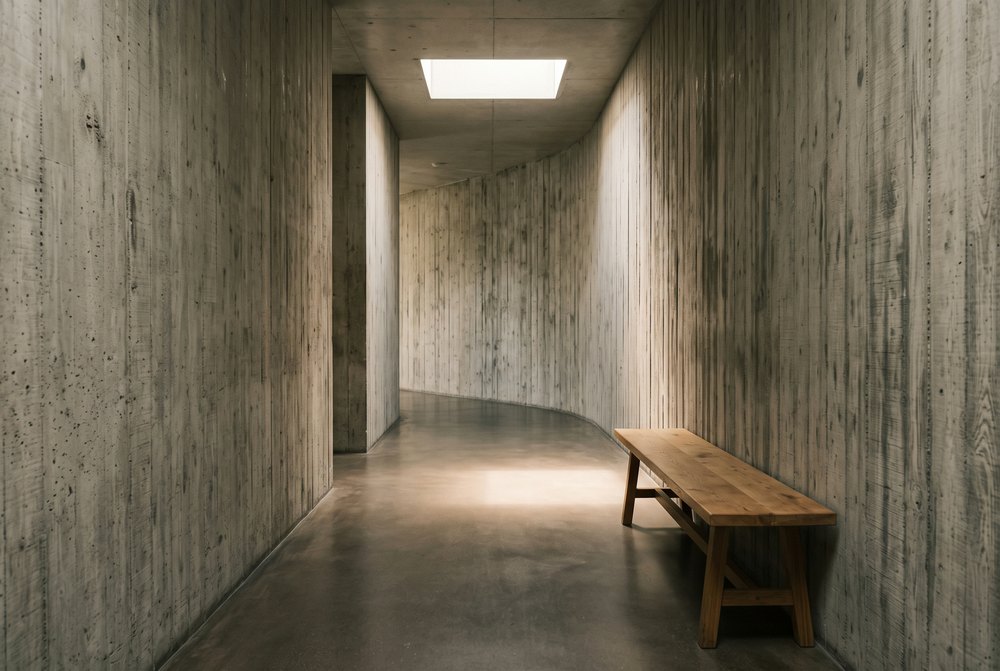
Our environment strongly influences our psychological process. It has the potential to either make a person feel calm and composed or even worsen their mental state. This intersection of architecture and psychology is slowly being embraced as architects aim to develop designs that positively impact the overall well-being of the residents including mental health.
Whether the project includes a choice of relaxed shades of colour, elements of biophilia, or thoughtful building planning, architectural designs positively or negatively impact the inhabitants psychological well-being.
The Psychological Effects of Space
Architecture is not only an art form, but it also defines how we sense, live, and engage with our environment. Environmental factors play a prominent role in a person's mood, behaviour, and cognition without them knowing.
For instance, have you ever felt relaxed the moment you stepped into a lovely room embellished with natural materials and good lighting. Or other way round, been stressed the moment you found yourself in a crowded and noisy place with poor lighting? These mood swings are caused by interactions between our senses and the physical environment amid augmented architecture.
1. Light and Mood
Lighting can easily affect our mood. Getting direct sunlight affects our biological clock of sleep-wake pattern, helps in sleeping, and stabilizes moods.
Most people associate peaceful and happy conditions with specific areas of their homes, and there is no doubt that the areas with sunlight make you feel more homely and satisfied.
On the other hand, low-quality light may cause stress and fatigue and can develop the symptoms of
Seasonal affective disorder (SAD).
Designers use high-lighting systems like big glass windows, skylights, or light wells to address room-lighting issues, improving the psychological well-being of residents or occupants.
Studies have revealed that increased natural light in buildings used for learning institutions improves students' concentration and overall performance.
Likewise, research studies have shown that places with adequate sunlight and subtle colours at workplaces improve productivity and decrease stress.
2. Colours and Significance to Mental Health
The visible range of colours affects our feelings and actions in a certain way. For example, light blue and green will help people relax and have a tranquil effect. On the other hand, sharp colours such as red or yellow can make people excited or even stressed if used excessively.
The colour scheme is a close concern for architects and interior designers since it provides an emotional impression of diverse spaces. Just like neutral colours such as blues and greens, pastel and earth tones are used in hospitals to calm the patients' nerves.
Simultaneously, where child patients must undergo treatment, employees use frets of playful colours with natural elements within the units as a way to create a safe space for children.
Biophilic Design: Nature as a Healer
Biophilic design attempts to bring natural and organic elements into the built environment. This approach to architecture is based on instincts and relationships with nature, and it can potentially improve cognitive abilities and moods.
1. Benefits of Natural Elements
The influence of internal or external plants, water fountains, and tiles or wooden flooring all have a calming effect on the mind. Observing nature through windows or indoor plant decor can also reduce blood pressure and cortisol levels.
A vertical garden on the office walls can lessen such stress so the personnel will not feel confined and stuck in a box.
The
Amazon Spheres in Seattle made the best use of biophilic design by planting thousands of plants where Amazon employees can find the stress-reducing benefits of greenery even in an urban environment.
2. Access to Outdoor Spaces
Gardens, terraces, and rooftop landscape areas serve as spaces for a moment of peace and quiet and any physical activity. These outdoor spaces promote good mental health and ensure people come into contact with each other.
Open and Flexible Layouts: Impact on Mental Health
A building’s design can compel or encourage behaviors and emotions. Exclusively open floor layouts are associated with a number of concepts, including liberty and creativity. However, they can cause overstimulation and stress when there is no equal provision for quiet and private spaces.
1. Creating the Right Balance
Open-plan offices were once considered the embodiment of innovative office layouts in workplace design. However, people have revealed that too much exposure to big and open spaces increases panic and stress and creates pressure.
Hence, new office designs usually balance open spaces and closed halls to balance focused words and moments of calmness along with physical activity.
In the trend of open-space homes, it is vital to have a personal enclosed area. For instance, a small, comfortable space with books is much needed to break from a hectic communal space like a bedroom.
2. Spatial Organization and Flow
External spaces must be well-planned and spacious to allow unrestricted movement, with a logical flow and a feeling of calm. Places that are too close and congested can cause anxiety and make people feel claustrophobic.
This is especially relevant for such facilities as healthcare organizations as the patients and their caretakers often lack orientation in space and require a clear and comfortable environment to reduce their stress.
Acoustics: The Soundscape of Mental Health
We often ignore noise pollution when designing our homes and other places. Sound plays a crucial role in affecting our mental health. Places with deafening noises can cause hearing loss for inhabitants.
This can also lead to a lack of concentration, increasing the rate of panic attacks and anxiety in an individual. Designers and architects incorporate materials and designs to handle sound to provide noiseless settings and calmness.
1. Sound-Absorbing Materials
There are many ways to reduce noise inside a space, starting with carpets and ending with installed acoustic panels and barriers to minimize disruptive sounds. This can be useful in areas such as hospitals, schools, workplaces and libraries. These areas need to keep the noise level down.
2. Designing for Quiet Spaces
Offices with special spaces such as meditation rooms, soundproof compartments for forensic conferences, or garnered sections in public structures enable people to escape noises of various types. These spaces meet man’s need to go through times of quiet and reflection.
Final Thoughts
The advancement architectural and planning will likely adapt to the principles of prioritizing well-being in architecture.
By embracing these principles, we can create safe spaces that do not disturb the mental health of the people and also help them cope with their needs.