Blog post · June 7, 2024 · 9 min read
What are the 3 types of concrete?
Introduction Concrete is a fundamental material in the construction industry, known for its versatility and durability. Essentially, concrete is a composite material composed of fine and coarse…
Introduction
Concrete is a fundamental material in the construction industry, known for its versatility and durability. Essentially, concrete is a composite material composed of fine and coarse aggregates bonded together with cement paste that hardens over time.Importance of Concrete in Construction
Concrete plays a vital role in modern construction because of its:- Strength: It can bear heavy loads.
- Durability: It lasts long and withstands environmental factors.
- Versatility: It is used in various construction projects ranging from pavements to skyscrapers.
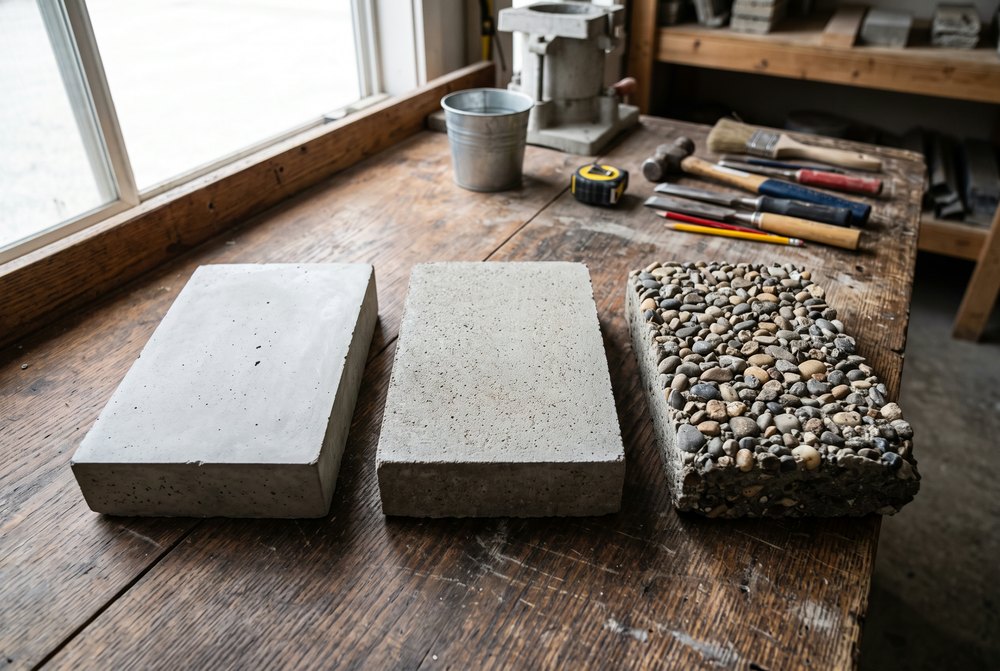
Overview of the 3 Types of Concrete
Understanding the different types of concrete helps in selecting the right one for specific applications. The three main types are:- Normal Strength Concrete (NSC)
- Reinforced Concrete (RC)
- Plain or Ordinary Concrete (PC)
1. Normal Strength Concrete
Normal strength concrete (NSC) is a fundamental type of concrete with a standard mix ratio. It is widely used in various construction applications due to its simplicity and reliability. The mix ratio for NSC is typically 1:2:4, which means:- 1 part cement
- 2 parts sand
- 4 parts aggregate
- Pavements: It is an ideal choice for constructing sidewalks, driveways, and small roads.
- Buildings: NSC is suitable for low-tensile structures like residential buildings.
- Foundations: It is commonly employed in shallow foundations and footings.
Advantages:
- Ease of Preparation: The simple mix design makes it easy to prepare.
- Cost-Effective: NSC is relatively inexpensive compared to other types of concrete.
- Versatile: It is suitable for a wide range of general construction applications.
Disadvantages:
- Low Tensile Strength: NSC is not suitable for structures requiring high tensile strength.
- Limited Durability: It is less durable under extreme weather conditions or heavy loads.
2. Reinforced Concrete
Definition and Characteristics of Reinforced Concrete
Reinforced concrete is a type of concrete that has been fortified with reinforcement materials to improve its strength and durability. This enhancement allows it to better withstand tensile, shear, and compressive stresses. The primary characteristic of reinforced concrete is its composite nature, which combines the high compressive strength of concrete with the high tensile strength of reinforcement materials.Methods for Reinforcing Concrete
There are several common methods for reinforcing concrete:- Rebar (Reinforcing Bar): Steel bars are embedded within the concrete to provide additional tensile strength.
- Fibers: Fibers made from steel, glass, or synthetic materials are mixed into the concrete to improve its overall performance.
Applications and Uses of Reinforced Concrete
Reinforced concrete is widely used in various types of construction due to its enhanced properties:- Industrial Construction: Ideal for constructing robust structures like bridges, dams, and industrial buildings.
- Modern Construction: Used in residential and commercial buildings for floors, walls, and roofs.
Advantages and Disadvantages of Reinforced Concrete
Advantages:
- High Strength: Can withstand significant stress without cracking or breaking.
- Durability: Long-lasting with minimal maintenance requirements.
- Versatility: Suitable for a wide range of applications.
Disadvantages:
- Cost: More expensive due to the additional materials and labor required.
- Complexity: Requires skilled labor for proper installation.
3. Plain or Ordinary Concrete
Definition and Characteristics of Plain or Ordinary Concrete
Plain concrete, also known as ordinary concrete, is a basic form of concrete that does not include any reinforcement like steel bars or fibers. It primarily consists of cement, sand, and aggregates, creating a material that can withstand compressive loads but has low tensile strength.Mix Design for Plain or Ordinary Concrete (1:2:4)
The typical mix design for plain concrete follows a ratio of 1:2:4:- 1 part cement
- 2 parts sand
- 4 parts aggregate
Applications and Uses of Plain or Ordinary Concrete
Plain concrete finds its use in:- Pavements: Suitable for constructing walkways and driveways.
- Buildings with Low Tensile Strength Demand: Ideal for foundations, walls, and other structural elements where tensile strength is not critical.
- Footings and slabs: Commonly used in the construction of simple footings and floor slabs.
Advantages and Disadvantages of Plain or Ordinary Concrete
Advantages:
- Cost-effective: Less expensive compared to reinforced concrete due to the absence of reinforcement materials.
- Ease of Use: Simple mix design makes it easier to prepare and apply.
- Sufficient for Low-Stress Applications: Adequate for structures with low tensile stress requirements.
Disadvantages:
- Low Tensile Strength: Not suitable for high-tensile applications without additional reinforcement.
- Limited Durability: May not withstand harsh environmental conditions as effectively as reinforced concrete.
Comparing the Strength, Durability, Cost, and Applications of the 3 Types of Concrete
Strength and Durability Comparison
Normal Strength Concrete:
- Strength: This type typically has a compressive strength of around 20 MPa.
- Durability: Suitable for structures that do not bear heavy loads or face extreme environmental conditions.
Reinforced Concrete:
- Strength: Enhanced strength due to reinforcement materials like rebar or fibers. Compressive strength can go beyond 40 MPa.
- Durability: Highly durable, capable of withstanding heavy loads, seismic activities, and harsh weather conditions.
Plain or Ordinary Concrete:
- Strength: Similar to normal strength concrete with a compressive strength of about 20 MPa.
- Durability: Less durable compared to reinforced concrete. Best for low-tensile strength applications.
Cost Comparison
Normal Strength Concrete:
- Cost: Generally cost-effective due to its simple composition and ease of production.
- Economic Factors: Ideal for budget-friendly projects that don’t require high-strength materials.
Reinforced Concrete:
- Cost: More expensive due to the additional materials (rebar or fibers) and labor involved.
- Economic Factors: Higher initial investment but offers long-term savings in maintenance and durability.
Plain or Ordinary Concrete:
- Cost: Cost is similar to normal strength concrete.
- Economic Factors: Affordable for small-scale projects with minimal structural demands.
Applications and Suitability Comparison
Normal Strength Concrete:
- Applications: Commonly used in pavements, residential buildings, sidewalks, and other low-load bearing structures.
- Suitability: Ideal for projects where high tensile strength is not critical.
Reinforced Concrete:
- Applications: Widely used in bridges, skyscrapers, industrial facilities, and any structure requiring high load-bearing capacity.
- Suitability: Best for large-scale construction projects needing enhanced structural integrity.
Plain or Ordinary Concrete:
- Applications: Suitable for pavements, pathways, and building foundations with low tensile requirements.
- Suitability: Great for non-industrial constructions where heavy loads are not a concern.
Choosing the Right Type of Concrete for Your Project
Selecting the appropriate type of concrete for your project is crucial to ensure durability, cost-effectiveness, and suitability for the intended application. Each type of concrete has its own set of characteristics that make it ideal for specific uses.Importance of Choosing the Right Type of Concrete
Using the right type of concrete can affect:- Structural Integrity: Ensures that the structure can withstand loads and stresses.
- Durability: Impacts how long the structure will last without significant repairs.
- Cost Efficiency: Helps in managing material costs effectively.
- Project Suitability: Ensures that the material meets specific project requirements.
Concrete Selection Tips
1. Assess Project Requirements
- Determine the load-bearing capacity needed.
- Identify exposure conditions (e.g., weather, chemicals).
2. Normal Strength Concrete
- Best for: Pavements, low-tensile structures.
- Advantages: Cost-effective, easy to mix and apply.
- Considerations: Not suitable for high-stress applications.
3. Reinforced Concrete
- Best for: Industrial buildings, modern construction requiring high tensile strength.
- Advantages: Enhanced strength with rebar or fibers, durable under high stress.
- Considerations: Higher cost due to additional materials (rebar/fibers).
4. Plain or Ordinary Concrete
- Best for: Low-tensile strength demand areas like pavements and simple building structures.
- Advantages: Simple to prepare with a common mix ratio, economical.
- Considerations: Limited tensile strength; not ideal for heavy loads.