Safety Protocols When Working with Decorative Concrete Materials

Source URL

Decorative concrete is widely used across commercial, residential, and infrastructure construction projects. From architectural wall panels to textured flooring and structural facades, decorative concrete combines strength with visual design flexibility. However, working with decorative concrete materials exposes workers to physical hazards, chemical risks, and environmental dangers that require structured safety planning.

Safety in decorative concrete work is not limited to wearing protective equipment. It involves risk assessment, proper handling procedures, worker training, equipment inspection, and strict site safety management. Organizations involved in advanced decorative concrete manufacturing and installation, including Custom Rock, often emphasize that safety planning must begin before materials even arrive on site.

Decorative concrete processes commonly include mixing, pouring, forming, curing, cutting, grinding, polishing, and sealing. Each stage introduces unique safety concerns that must be controlled through engineering measures, administrative procedures, and worker awareness programs.

Understanding Hazards in Decorative Concrete Work

Decorative concrete work environments combine chemical exposure risks, airborne dust hazards, heavy equipment operation, and structural installation challenges. Workers are exposed to these hazards daily if safety controls are not implemented properly.

Concrete dust exposure is one of the most serious long term health risks. Fine silica particles can become airborne during cutting, drilling, or grinding operations. Without proper respiratory protection and dust suppression systems, long term exposure can damage lung tissue and create chronic respiratory conditions.

Wet concrete materials also contain chemical compounds that may irritate or burn skin. Long exposure without protective equipment can lead to serious skin damage. In addition, decorative concrete installations often involve lifting heavy molds, liners, and panels that can cause musculoskeletal injuries if handled improperly.

Custom Rock safety frameworks often focus on hazard recognition training to help workers identify risks early and take corrective action.

Silica Dust Exposure Risks

Silica dust forms during cutting, drilling, grinding, or polishing concrete surfaces. Workers must use dust extraction systems, wet cutting methods, and respirators. Long term exposure increases risk of respiratory illness. Engineering controls combined with proper protective equipment significantly reduce airborne particle exposure in decorative concrete work environments.

Chemical Contact Risks

Wet cement contains alkaline compounds that can damage skin and eyes. Workers should wear waterproof gloves, eye protection, and long sleeve clothing. Immediate washing after exposure reduces chemical burn risk. Training helps workers recognize early symptoms and respond quickly to prevent serious injury.

Structural and Equipment Hazards

Decorative concrete installations involve heavy form liners, molds, and structural panels. Improper lifting or positioning can cause crush injuries. Equipment safety planning includes mechanical lifting tools, proper rigging, and controlled movement zones. These steps help prevent accidents during installation and removal operations.

Safety in Decorative Concrete Work: Core Protocols

Effective safety in decorative concrete work requires multiple protection layers working together. These include engineering controls, protective equipment, site management procedures, and worker training systems.

Safety programs must address dust control, chemical exposure, fall protection, lifting hazards, and equipment operation. Companies such as Custom Rock support safety integration across design, manufacturing, and installation phases to improve overall job site safety outcomes.

Personal Protective Equipment Requirements

Protective equipment includes respirators, gloves, eye protection, steel toe boots, and protective clothing. PPE must match specific job hazards. Regular inspection ensures effectiveness. Workers must understand proper use, cleaning, and replacement schedules to maintain consistent protection during decorative concrete operations.

Site Safety Planning

Site safety includes hazard identification, emergency planning, and equipment inspection protocols. Daily safety meetings help workers understand job risks. Clear signage and restricted access zones protect workers and visitors. These measures reduce accident probability during decorative concrete installations.

Safe Material Handling Procedures

Handling decorative concrete materials requires proper lifting techniques and mechanical assistance. Workers should avoid lifting heavy molds manually. Storage areas must be dry, stable, and organized. Proper storage reduces slip hazards and prevents material damage.


Safety Considerations for Form Liners and Decorative Mold Systems

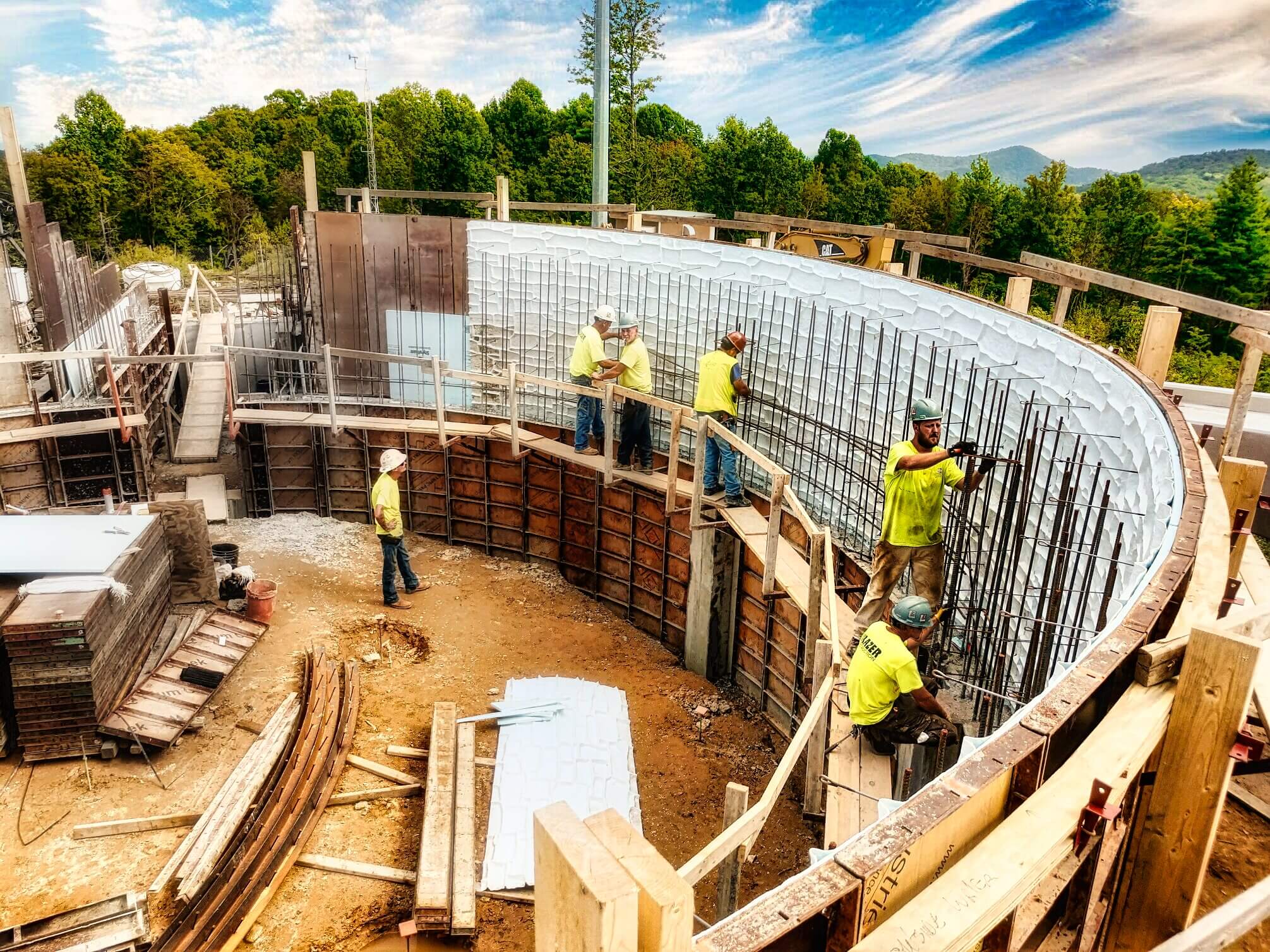
Plastic concrete form liners and urethane formliners are commonly used to create architectural textures and decorative patterns. These materials require careful installation and handling to maintain safety and product integrity.

Custom Rock technical recommendations often include detailed installation planning and worker training to reduce handling injuries and improve alignment accuracy.

Plastic Concrete Form Liners Safety

Plastic concrete form liners are lightweight but can become slippery when coated with release agents. Workers should use gloves and maintain stable footing. Proper storage prevents warping or damage. Safe removal procedures prevent sudden shifts during stripping operations.

Urethane Formliners Handling Safety

Urethane formliners are durable and flexible but heavier than plastic liners. Workers should use lifting support for large panels. Avoid sharp tools that may damage liner surfaces. Proper cleaning extends lifespan and maintains decorative quality.

Installation and Removal Safety Procedures

Form liner installation must follow alignment specifications. Misalignment increases structural defects and rework risks. Removal should only occur after curing requirements are met. Premature removal can damage structural surfaces and create falling hazards.
Source URL

Safety in Tilt Up Construction Environments

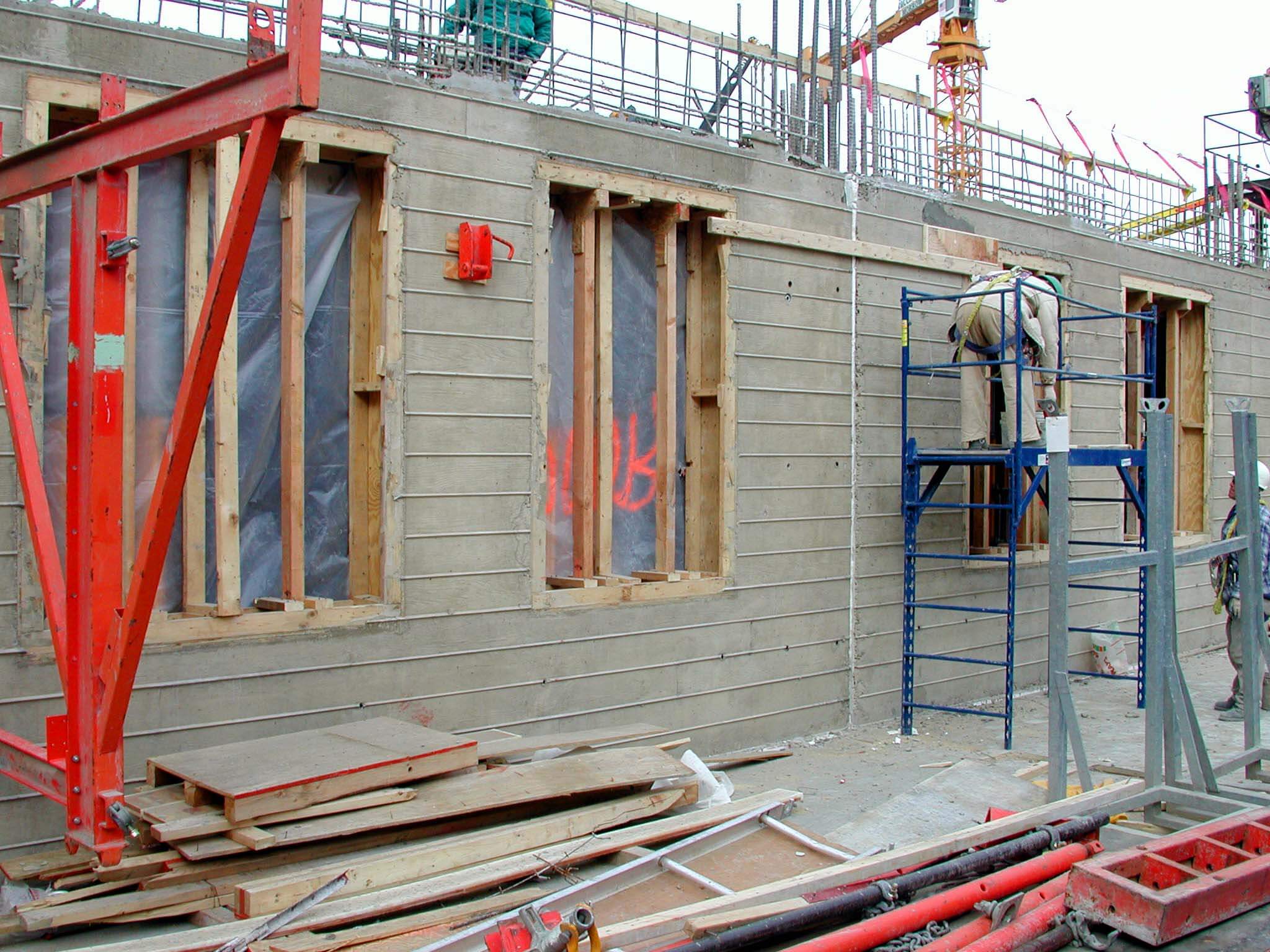
Tilt up construction allows large concrete panels to be poured horizontally and lifted vertically. This process improves construction speed but requires advanced lifting safety controls.

Custom Rock often supports tilt up construction projects through technical material design and safety planning support.

Panel Lifting Safety Requirements

Tilt up panels require crane coordination and rigging inspections. Workers must remain outside lifting zones. Clear communication between crane operators and crews is essential. Proper rigging reduces panel drop risk and improves placement accuracy.

Temporary Bracing Safety

Temporary bracing stabilizes panels during construction. Improper installation may cause collapse. Bracing must be inspected regularly. Weather conditions such as wind must be monitored to maintain structural stability.

Worker Positioning and Fall Protection

Workers installing tilt up panels often work at height. Fall protection systems reduce injury risk. Safe access routes must be maintained. Regular inspection ensures fall protection equipment remains functional.

Decorative Concrete Safety Risk Overview

Material / Process Key Risk Safety Control Required Equipment
Concrete Mixing Dust inhalation Wet mixing methods Respirators, goggles
Form Liner Installation Crush injuries Mechanical lifting Gloves, boots
Tilt Up Panel Lifting Falling panels Rigging inspection Hard hats, harness
Surface Grinding Silica dust Vacuum extraction Respirators
Chemical Sealers Skin irritation Controlled application Chemical gloves


Role of Training and Compliance in Decorative Concrete Safety

Training ensures workers understand hazard recognition, emergency procedures, and safe handling methods. Safety training must include practical demonstrations and real scenario exercises.

Custom Rock safety education programs often emphasize hands on training and compliance documentation.

Key Training and Compliance Focus Areas:

  • Hazard identification and risk assessment before starting decorative concrete tasks
    • Proper use, inspection, and maintenance of protective equipment
    • Safe handling procedures for wet concrete, sealers, and chemical additives
    • Dust control techniques to reduce silica exposure during cutting and grinding
    • Safe installation and removal procedures for plastic concrete form liners and urethane formliners.
  • Tilt up construction lifting coordination and communication protocols
    • Emergency response training including chemical exposure and injury response

Best Practices for Long Term Decorative Concrete Safety

Long term safety requires consistent monitoring and safety culture development across all project phases.

Custom Rock emphasizes integrating safety planning into project design and installation procedures.

Safety Culture Development

Safety culture encourages hazard reporting and protocol compliance. Leadership commitment improves safety performance. Strong safety culture reduces incidents and improves productivity.

Equipment Maintenance and Inspection

Routine equipment inspection prevents failures. Maintenance schedules keep tools safe. Documentation supports compliance and reduces liability risks.

Emergency Response Planning

Emergency plans prepare workers for unexpected incidents. Plans include evacuation routes, first aid response, and communication procedures. Emergency drills improve response efficiency.

Conclusion

Safety in decorative concrete work is essential for protecting workers, maintaining compliance, and ensuring project success. From protective equipment and site safety planning to safe handling of plastic concrete form liners, urethane formliners, and tilt up construction materials, every step requires careful planning.

Custom Rock supports safer decorative concrete applications through technical expertise, product engineering, and safety awareness support. Implementing strong safety programs reduces long-term risks and improves project efficiency.

For technical guidance, safety recommendations, or decorative concrete material support, contact us to learn more about safe decorative concrete practices.

FAQs

1. Why is safety in decorative concrete work important?

Decorative concrete involves dust, chemicals, and heavy materials. Safety protocols reduce injury and long term health risks.

2. What PPE is required for decorative concrete workers?

Respirators, gloves, safety glasses, protective clothing, and steel toe boots are commonly required.

3. Are form liners safe to use?

Yes, when installed and removed using proper safety procedures and lifting equipment.

4. What is the biggest health risk in concrete work?

Silica dust exposure is one of the most serious long term health risks.

5. How can companies improve decorative concrete safety?

Regular training, equipment inspection, PPE enforcement, and strong safety culture significantly improve safety.
Landscaping with Concrete: Merging Functionality and Aesthetics

Source URL

Concrete has evolved far beyond basic construction material. Modern landscaping design increasingly uses decorative concrete to create outdoor environments that combine durability, structural strength, and visual appeal. From garden paths to outdoor living spaces, concrete provides flexibility in design while maintaining long-term performance in changing weather conditions.

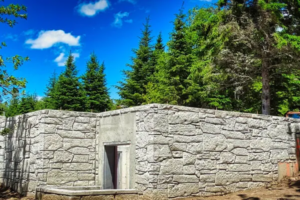
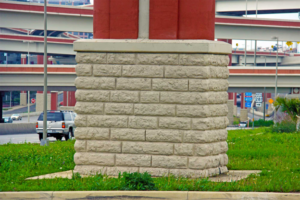
Property owners and landscape designers now use decorative concrete in landscaping to create natural-looking textures, stone effects, and custom patterns. Through advanced surface finishing and molding techniques, concrete can replicate natural stone, wood, or textured rock surfaces while requiring less maintenance over time.

Manufacturers such as Custom Rock have contributed to the development of specialized surface textures and concrete forming solutions that help create consistent, realistic landscaping finishes across residential and commercial projects.

For those exploring decorative applications, learning about material behavior, surface patterning technology, and installation methods is essential for long-term landscape success.

Why Decorative Concrete Is Transforming Modern Landscaping

Decorative concrete has become a major component of modern landscape architecture because it balances structural performance with design flexibility. Traditional landscaping materials such as stone and brick can be expensive and require complex installation, while decorative concrete allows designers to achieve similar aesthetics with improved durability and reduced long-term maintenance requirements.

Additionally, decorative concrete in landscaping supports sustainable outdoor construction by minimizing material waste and enabling long service life. Modern finishing methods allow designers to create seamless transitions between structural elements and natural landscape features. Many property owners also choose decorative concrete for its ability to handle heavy foot traffic and harsh environmental exposure without rapid deterioration.

Professionals often recommend consulting trusted suppliers such as Custom Rock when selecting materials that support both structural reliability and visual consistency.

Long Term Structural Benefits of Decorative Concrete

Decorative concrete provides high compressive strength, weather resistance, and durability against freeze thaw cycles. These characteristics make it suitable for high traffic landscape areas. When installed correctly using quality molds and surface treatments, decorative concrete structures can maintain appearance and structural integrity for decades with minimal repair requirements.

Applications of Decorative Concrete in Landscaping Design

Decorative concrete is used across multiple landscape elements because it allows customization while maintaining structural consistency. Designers can adapt finishes, patterns, and textures to match architectural styles or natural surroundings.

Common uses include garden paths, retaining walls, and outdoor living spaces that require both durability and visual integration with the environment.

When exploring material options, many designers research decorative concrete in landscaping through educational resources available on the Custom Rock home platform and company background resources available through the Custom Rock about page to better understand manufacturing processes and material performance.

Garden Paths and Walkways

Concrete pathways can replicate natural stone, brick, or wood textures using advanced concrete form liner patterns. These pathways improve accessibility and reduce soil erosion. Proper installation ensures smooth surface transitions, improving safety while maintaining landscape aesthetics. Decorative path designs also support drainage planning and water flow control.

Retaining Wall Structures

Concrete retaining walls provide structural soil support while allowing decorative finishes. Using plastic concrete form liners, installers can create rock or stone textures that blend with natural surroundings. These walls prevent soil movement, support elevation changes, and help create usable outdoor spaces on uneven terrain.

Outdoor Living Space Integration

Outdoor living spaces benefit from decorative concrete surfaces that provide slip resistance, weather durability, and design flexibility. Concrete patios, seating areas, and fire pit surrounds can be customized using concrete form liner patterns. These solutions support long-term structural stability while maintaining visual appeal across seasonal weather changes.

Role of Concrete Form Liners in Landscape Design

Concrete form liners allow contractors to imprint textures directly into concrete surfaces during casting. This process creates consistent decorative finishes without requiring hand carving or individual stone placement. The technology supports faster installation timelines and ensures repeatable results across large landscaping projects.

Plastic concrete form liners are widely used because they provide flexibility, durability, and cost efficiency during large production runs. These liners can be reused multiple times while maintaining texture clarity and pattern precision. Landscape professionals often evaluate liner quality carefully to ensure consistent surface detailing and long-term structural reliability.

Custom Rock has contributed to innovations in liner design, helping improve texture realism and production efficiency in decorative concrete installations.

Types of Form Liner Pattern Applications

Form liner patterns can replicate natural rock faces, stacked stone, wood grain, and custom geometric textures. Selecting the correct pattern depends on project style, surrounding materials, and environmental exposure. High quality liners ensure consistent replication across large concrete surfaces, improving visual continuity in landscape installations.

Comparing Decorative Concrete with Traditional Landscaping Materials

Choosing between decorative concrete and traditional materials depends on project goals, maintenance expectations, and environmental conditions. Many landscape professionals compare durability, installation complexity, and long-term cost efficiency before selecting materials.

Material Durability Maintenance Installation Complexity Design Flexibility
Decorative Concrete High Low Moderate Very High
Natural Stone High Moderate High Moderate
Brick Moderate Moderate Moderate Moderate
Wood Low to Moderate High Low Moderate

Decorative concrete often provides strong performance when projects require durability combined with aesthetic customization.

Cost Efficiency and Lifecycle Value

Decorative concrete reduces long-term maintenance costs because it resists cracking, weather damage, and pest issues. Compared to natural stone installation, decorative concrete can lower labor costs while maintaining similar aesthetic value. Lifecycle cost analysis often shows decorative concrete as a cost-efficient landscape solution.

Source URL

Installation Planning and Design Considerations

Proper planning is critical when implementing decorative concrete landscaping projects. Soil stability, drainage design, and environmental exposure must be evaluated before installation begins. Landscape professionals also consider structural load requirements and expansion joint placement.

Custom Rock technical resources help contractors understand mold selection, texture compatibility, and installation sequencing to ensure long term structural success.

Key installation considerations include:

  • Soil compaction and base preparation
  • Drainage channel placement
  • Weather curing conditions
  • Expansion joint spacing
  • Surface sealing and protection

Environmental Impact and Sustainability

Decorative concrete supports sustainable landscaping by reducing replacement frequency and minimizing raw material extraction compared to natural stone quarrying. Long service life reduces environmental impact. Additionally, modern concrete mixes can include recycled materials, improving overall environmental responsibility in landscape construction.

Maintenance Requirements for Decorative Concrete Landscaping

Decorative concrete requires relatively low maintenance compared to traditional landscape materials. Periodic cleaning and surface sealing help maintain appearance and protect against moisture penetration or staining.

Property owners should inspect decorative concrete surfaces annually for small cracks or joint separation. Early repair helps prevent long term structural damage.

Routine maintenance steps include:

  • Annual pressure washing
  • Resealing every few years
  • Crack inspection and repair
  • Drainage clearing

Weather Resistance and Seasonal Performance

Decorative concrete performs well across seasonal weather cycles when installed properly. Surface sealants protect against moisture infiltration and freeze thaw damage. High quality concrete mixes combined with proper curing procedures improve long term durability across diverse climate conditions.

Role of Professional Expertise and EAT Principles

Experience, expertise, authority, and trust are critical when working with structural landscaping materials. Reliable suppliers and manufacturers help ensure consistent product quality and installation performance.

Custom Rock supports evidence-based product development and technical documentation that helps contractors make informed material decisions. Understanding product testing, quality control standards, and material compatibility supports better long-term landscaping outcomes.

Importance of Technical Product Testing

Product testing ensures decorative concrete materials meet structural strength, weather resistance, and durability requirements. Testing helps verify pattern consistency, mold performance, and material longevity. Using tested products helps reduce installation failures and improves long term landscape reliability.

Future Trends in Decorative Concrete Landscaping

Decorative concrete continues to evolve through improved liner technologies, sustainable mix designs, and advanced surface finishing methods. Digital pattern design and precision manufacturing improve consistency and customization options.

Custom Rock continues developing new pattern technologies that support natural texture replication while improving installation efficiency across large scale landscape construction projects.

Technology Integration in Decorative Concrete

Advanced digital modeling allows designers to preview decorative concrete patterns before installation. This improves design accuracy and reduces material waste. Technology also supports custom mold development, allowing landscape architects to create unique textures tailored to specific project environments.

Conclusion

Decorative concrete continues to transform landscaping by merging structural strength with advanced design flexibility. From garden paths to retaining walls and outdoor living spaces, decorative concrete in landscaping supports long term durability while enhancing visual appeal.

Using technologies such as concrete form liner patterns and plastic concrete form liners allows consistent and customizable surface textures across landscape installations. Manufacturers such as Custom Rock help support industry innovation by developing reliable pattern solutions and surface technologies.

If you want to explore professional solutions, material options, or technical guidance, you can contact us through official company resources to learn more about decorative concrete landscaping applications.

FAQs

1. What is decorative concrete in landscaping used for

Decorative concrete is used for pathways, retaining walls, patios, outdoor seating areas, and landscape structures requiring durability and design customization.

2. Are plastic concrete form liners durable

Yes, plastic concrete form liners are designed for multiple uses and maintain pattern precision across large production cycles.

3. How long does decorative concrete last outdoors

With proper installation and maintenance, decorative concrete can last several decades in outdoor landscape environments.

4. Does decorative concrete require regular maintenance

Maintenance is minimal and usually involves cleaning and occasional surface sealing.

5. Can decorative concrete replicate natural stone appearance

Yes, modern concrete form liner patterns can replicate stone, wood, and natural rock textures with high accuracy.


Smart Buildings: Integrating IoT for Enhanced Functionality

TL, DR


Smart buildings refer to facilities designed to operate automatically and integrate to meet the needs of the users and possibly that of the surrounding area. These building forms use interconnected sensors, devices, and systems to perform numerous tasks.


It also includes controlling the amount of light, when the heating, ventilation, and air conditioning (HVAC) systems need to be activated, and security and energy management. The Internet of Things is the foundation of smart building technology.


This relates to the Internet of Things, in which everyday devices and networks are interfaced to the Internet through which they can chat and share information. Smart sensors attached to the IoT can help measure power consumption in real time and control lighting, heating, and cooling depending on people’s traffic.


The Weather-smart security systems connected to the IoT, such as cameras, sensors, and access control, can all be used to keep an organization’s security under check and alert an authority immediately in case of any suspicious activity.


With the help of IoT, HVAC systems can have features such as air quality, humidity, and temperature analysis and control the system accordingly. IoT can positively impact occupants’ comfort by enhancing several aspects of the building.


For example, IoT-connected lighting can vary with the intensity and temperature of a building depending on the time of the day or a person’s preferred color.


Remote IoT sensors can detect the performance and condition of other vital systems like elevators, HVAC systems, electrical systems, etc.

In terms of future trends, the growth of IoT in smart buildings is set to grow progressively, primarily through the incorporation of AI and ML.


This means that with the help of AI and ML integration, smart buildings’ systems can change dynamically by enhancing their adaptability to building conditions.


Smart Buildings: Integrating IoT for Enhanced Functionality

With technological advancements, smart building technology plays a vital role in architectural designs and city planning. These structures not only make the project affordable but also improve the quality of life through well-designed buildings and information sciences applications.


At the core of this revolution is the Internet of Things, IoT that connects devices and systems in a building to control the operations of the systems. This article discusses how IoT is being implemented in smart buildings and the advantages that come with this.

Development of the Smart City Concept


Smart buildings refer to facilities designed to operate automatically and integrate to meet the needs of the users and possibly that of the surrounding area.


These building forms use interconnected sensors, devices, and systems to perform numerous tasks. These tasks include controlling the amount of light, when the heating, ventilation, and air conditioning (HVAC) systems are to be activated, and security and energy management.


By incorporating IoT in Smart Buildings, data can be collected in real-time, and decisions can be made that will help improve the buildings’ efficiency and comfort.

Smart Building, IoT & Their Relation


The Internet of Things is the foundation of smart building technology. This relates to everyday devices and networks that interface with the Internet through which they can chat and share information.


Regarding smart buildings, IoT facilitates the harmonization of the different subsystems, making the building smart. Here are some key areas where IoT is making a significant impact in construction.

1.   Energy Management

In smart buildings that have incorporated IoT, energy usage is the feature that stands to benefit the most. Smart sensors attached to the IoT can help measure power consumption in real-time and control lighting, heating, and cooling depending on people’s traffic and weather.


For example, systems for energy conservation can be programmed to undertake automatic control of temperature based on the occupants’ behavior to minimize the wastage of energy and costs. Moreover, the collected information tells IoT systems about the energy requirements, which helps them optimize and save resources for sustainability.

2.   Security and Access Control

Security is an essential element in smart buildings, and IoT significantly contributes to implementing the same. Smart security systems connected to the IoT, such as cameras, sensors, and access control can all be used to keep an organization’s security under check and alert an authority immediately in case of any suspicious activity.


These systems can also be complemented with facial recognition and biometric technologies, providing an added security level. Also, IoT has the characteristics of remote monitoring and control, through which security personnel can manage different buildings at the same time.

3.   HVAC and Environmental Control

With the help of IoT, HVAC systems can have features such as air quality, humidity, and temperature analysis and control the system accordingly. It can also identify problems like leakages or any failure in the equipment, making it easier to fix these and reducing the time of their breakdown.


Moreover, IoT can help to incorporate renewable electricity sources, together with solar panels for HVAC systems, to result in improved building sustainability.

4.   Occupant Experience and Comfort


IoT can positively impact occupants’ comfort by enhancing several aspects of the building. For example, IoT-connected lighting can vary with the intensity and temperature of a building depending on the time of the day or a person’s preferred color.


As with the case of lighting control, smart windows can also alter their level of transparency to regulate the level of natural light in a room, hence avoiding glare and discomfort.


People living in smart homes can also use applications developed for their smartphones to control different factors in their home, including lighting, temperature, and even repositioning their furniture.

5.   Predictive Maintenance


Smart buildings that utilize IoT use predictive maintenance to minimize equipment failure and subsequent maintenance expenses. Remote IoT sensors can detect the performance and condition of other important systems like elevators, HVAC, and electrical systems.


The system can then determine when maintenance is required and perform it before there is a failure. This approach not only helps to increase the life cycle of equipment but also reduces the interruption of building smart functions.

Challenges and Future Prospects


While there are many advantages to IoT integration in smart buildings, there are also specific issues that should be considered. Security is a significant issue due to the physical interfacing of the components, where device connectivity also implies higher chances of hacking.


Data collected by IoT systems should be private and secure so that occupants and owners will trust IoT systems.


It becomes challenging to connect one IoT device or system with the other. Currently, a specific issue seems to involve devices from various manufacturers. Thus, compatibility among products from different manufacturers plays a vital role in implementing a proper smart environment. IoT protocols and platform standardization will solve this challenge.


In terms of future trends, the growth of IoT in smart buildings is set to grow progressively, primarily through the incorporation of AI and ML. This means that with the help of AI and ML integration, smart buildings’ systems can change dynamically by enhancing their adaptability to building conditions.


The Future of Skyscrapers: Trends and Innovation

TL, DR


Skyscrapers are crucial in developing creative and efficient building designs that complement the city and its people. This article highlights trends and innovations that characterize the growing developments of new skyscraper designs.


As the consequences of climate change intensify, the construction industry is paying attention to its environmental impact and exploring methods to mitigate it.


One such approach is the development of skyscrapers equipped with energy-efficient air conditioning systems, double facades, and solar PV systems. These features are intended to minimize energy consumption, resulting in long-term cost savings.


This trend toward environmentally conscious construction is largely driven by the necessity for the construction industry to lessen its impact on the environment due to the growing urgency for environmental conservation.


Another trend is the use of intelligent technologies in the construction of skylines. These technologies can help to optimize energy efficiency and reduce waste.


IoT and AI-based smart skyscrapers use smart and connected technologies to control, monitor, and modify the elements that make up the built environment, enhancing users’ comfort and increasing energy efficiency.


Mixed approaches are taken due to rapidly increasing population densities in urban landscapes, where there is an increasing need for integrated high-rise buildings. These structures feature living, working, shopping, and production floors under one roof.


With time, the idea of vertical urbanism is emerging, and with that, people are changing the traditional view on constructing tall constructions. Architects are now managing to incorporate nature into buildings instead of heaping the floors on top of each other.


There is a concept known as adaptive reuse, which means that instead of destroying the entire skyscrapers to construct new ones fresh, the structures are retrofitted for other uses.


This approach is cost-effective and environmentally friendly as it involves less use of new materials and avoids excessive wastage and negative impact on our cities’ heritage. Innovative construction methods are also affecting the future of skyscrapers.


Pre-fabrication, where structures are constructed from matching segments, is rising since this technique is faster and more economical.


The Future of Skyscrapers: Trends and Innovation

Throughout history, skyscrapers have symbolized ambition, technological progress, and economic prosperity. Urban areas experience a rise in the number of skyscrapers due to several factors. These include population growth in cities, limited land availability, and the aspiration to create distinctive city skylines.


This article highlights trends and innovations that characterize the growing developments of new skyscraper designs.

Trends and Innovations in Skyscrapers


Let’s take a look at some trends and innovations regarding skyscrapers in this section:

1.   Sustainable Design and Construction


High-rise buildings, which used more energy than needed in the past, are now being constructed with sustainable design in mind. To adopt sustainability, architects and now inclined towards approaches such as Green Building materials, energy Conservation measures, and sustainable construction methods.


Modern construction materials like cross-laminated timber (CLT), recycled steel, sustainable concrete, etc., achieve sustainable designs. For instance, CLT helps reduce greenhouse gas emissions and provides optimum support to structures with tall heights and heavy loads.


On the same note, new skyscrapers with efficient air conditioning, double facades, and solar PV systems are being built. These features consume less energy and cut down costs in the long run.

2.   Smart Skyscrapers

Another emerging trend is the application of intelligent technologies in constructing skylines. IoT and AI-based smart skyscrapers use smart and connected technologies to control, monitor, and modify the elements that make up the built environment. This enhances the users’ comfort and increases energy efficiency.


For example, IoT sensors can be used to sample air quality, water usage, and other parameters and supply real-time data to adjust different systems. AI can also forecast when a specific equipment is likely to require maintenance, thus preventing the development of problems that may be difficult to handle.


In addition, it also contains features such as intelligent elevators and escalators that may change their operations according to the movement of people within a building. This way, they only consume energy when people are moving in large numbers at some particular places on the premises. Furthermore, the building incorporates advanced features like intelligent elevators and escalators.


These systems have the ability to adjust their operations based on the movement patterns of individuals within the building. Consequently, energy consumption is optimized as these systems only activate when significant foot traffic is detected in specific areas of the premises.

3.   Mixed-Use Developments


Mixed approaches are taken due to rapidly increasing population densities in urban landscapes, with an increasing need for integrated high-rise buildings. These structures feature living, working, shopping, and production floors under one roof. This trend is mainly rooted in developing more semi-autonomous neighborhoods within cities to cut on long daily journeys and save time for residents.


Due to rapidly increasing population densities in urban areas, cities are adopting mixed-use approaches by constructing integrated high-rise buildings. These structures combine living, working, shopping, and production spaces within a single building. This trend is driven by the desire to create more semi-autonomous neighborhoods, reducing long daily commutes and saving time for residents.


Multi-function tall buildings have several advantages, including efficiency in using the limited land available and versatility. They also contribute to forming active urban societies since a wide range of services and facilities, such as health clubs, eating places, businesses, and amenities, are usually within distance of each other.

4.   Vertical Urbanism and Green Spaces


With time, the idea of vertical urbanism is emerging, and with that, people are changing the traditional view on constructing tall constructions. Architects are now incorporating nature into buildings instead of heaping the floors on top of each other.


This involves adapting the edifice to the environment by including green roofs, roofs, vertical gardens, and crop growers. Vegetation in buildings has multiple advantages, such as positively impacting the air quality of the interiors, supporting the growth of a biodiverse population, and boosting the well-being of the employees.


Vertical gardens provide shade and cut down on heating to eliminate the demand for air conditioning, and green roofs help absorb rainwater, thus eliminating the chances of flooding. Such features also serve the purpose of increasing building sustainability while at the same time promoting health among the people living and working in such buildings.

5.   Adaptive Reuse and Resilience


With the growth of cities come the changes in their structures and forms of construction. There is a concept known as adaptive reuse, which means that instead of destroying the entire skyscrapers to construct new ones fresh, the structures are retrofitted for other uses.


This approach is cost-effective and environmentally friendly as it involves less use of new materials and avoids excessive wastage and negative impact on our cities’ heritage. For example, there are some cases where old office structures are being converted into residences or some other form of use, giving new functions to old ones.


Due to climate change’s effects, it is essential to design buildings that can cope with these events. This includes structural enhancements, flood protection, and even earthquake protection technologies.

6.   Innovative Construction Techniques


Innovative construction methods are also affecting the future of skyscrapers. Pre-fabrication, where structures are constructed from matching segments, is on the rise since this technique is faster and more economical. By using this method, architects minimize construction time, reduce material requirements, and ensure better quality.


In addition, the use of drones and robotics in construction projects is also getting its hype. A drone can be used for aerial photography for a location for legal purposes, construction progress inspection, and even the delivery of construction materials.


On the other hand, robots are also capable of performing repetitive and hazardous operations which can reduce labor costs. These include aspects such as laying bricks or welding, which in turn also minimizes the possibility of work-related injuries on sites.


With development ever speeding up and changing the face of cities constantly, tall buildings will remain an irreplaceable part of the urban world. It is the answer to many of the problems that face in terms of living today.