TL, DR
Vernacular architecture means designs derived from the local materials, construction practices of particular areas adapted to local climatic conditions, and aesthetics. The materials used in this construction method include mud and clay, stones, bamboo, and wood.
These materials are regionally available and naturally sustainable. Works and techniques like dry-stone walls and field boundaries, adobe construction, thatched and wattle and daub roofing also show regional or climatically required knowledge.
Contemporary architects are exploring the tendencies of vernacular architecture sustainability, affordability, and beauty for modern design. In this approach, expenses on the carbon footprint for power generation are cut down through sustainable local resources.
Techniques such as using thicker walls in desert constructions and constructing houses off the ground in flood zones have been integrated into most of today’s green buildings.
Some of the most famous examples of incorporating vernacular designs in buildings today can be seen in India’s Wall House, Bali Bamboo structure, and the UAE’s Desert House.
However, there are certain limitations when it comes to making vernacular construction and modern architecture work together and comply with safety and craftsmanship issues that need to be met.
Nevertheless, advancements in technology have made applying vernacular principles in architecture easier, with great potential in the future.
Exploring Vernacular Architecture: How Local Materials and Practices Inspire Modern Architecture
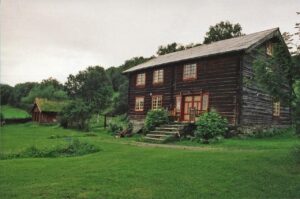
Vernacular architecture can be defined as any architectural design built with locally available resources, techniques, and knowledge. These designs depict a specific area’s social values, geographical location, and even civilizations.
This dependency on local objects and facilities started long before the contemporized construction techniques were developed. Currently, many architects are using vernacular architecture techniques in their modern buildings.
Apart from cultural conservation, this approach is also sustainable, efficient, and highly praised globally.
What is Vernacular Architecture?
Vernacular architecture is not confined to blueprints or grand ideas but is also about practicality. The materials used in such construction are abundant within the surroundings, for example, clay, stones, wood, or bamboo. These materials are then shaped into structures suited to the community’s climatic conditions and needs.
For instance, those in desert backgrounds are constructed with interiors that minimize heat build-up, whereas those in cold regions are built to trap heat.
This form of architecture creates a strong relationship between the building and the people’s social and historical values and traditions.
It might have evolved with the people’s changing needs and preferences, but the core principle is still intact, i.e.; constructing structures sustainably with immediate available resources.
The Role of Local Materials
The most essential concept of vernacular architecture is using locally obtained materials. They are cheaper and easily accessible and do not require a lot of transportation; hence, they are environmentally friendly. Some of the common materials used in vernacular architecture are;
1. Mud and Clay:
Mud and clay are usually used in arid regions. These materials are excellent insulators, keeping homes cool during the day and warm at night.
2. Stone:
In hilly regions, people prefer stone-built structures over mud and erosion. The rock is non-deteriorating, widely distributed, and does not melt, rot, or rust.
3. Thatch and Bamboo:
Thatch and bamboo are often used for roofs and walls in tropical areas. They are lightweight and easily installed, making them well-suited for humid locations.
4. Wood:
If a region is rich in forests, wood supply forms a core part of the sourcing plans. It is versatile and visually appealing and, for this reason, is preferred in such areas. They are practical and give the buildings an identity of regional taste.
Traditional Techniques of Vernacular Construction
1. Dry Stone Walling:
This technique is often used in mountainous countries and involves laying cut and dressed stones on top of each other without any intervening cement layer. The gaps enable expansion or contraction, making the walls more resilient to earthquakes.
2. Adobe Construction:
This technique involves kneading mud and straw to make bricks. The bricks are then heated and used to make walls. Adobe structures are durable and good insulators of heat.
3. Thatched Roofing:
Houses with thatch roofs are common in tropical climates and are made of dried grasses or
palm leaves. The important benefits of using dried grass and leaves are that they easily match a low budget, they are renewable power resources, and they ensure natural conjugation.
4. Stilt Houses:
In areas prone to flooding, people build homes much above the flood line. This method safeguards the structure without compromising safety.
Vernacular Principles in Architecture: How it Affects Modern Design
Traditional architecture is gradually becoming an inspiration among contemporary architects. Here’s how:
1. Sustainability
Many aspects of vernacular architecture are sustainable. The local, natural materials leave a small carbon footprint and are also easily renewable.
Therefore, blending these materials into the current architectural styles will help architects design structures for today’s usage.
For instance, architects in India have introduced modern homes through CEBs. They are also made from locally available materials instead of energy-intensive materials such as concrete and stones.
2. Climate Adaptation
Vernacular designs adapt to the climatic conditions of the place where they were constructed. Today, architects use them to design new structures that can regulate the internal climate.
For example, early houses in desert areas had small doors and large walls for insulation against heat. These principles are now being incorporated into ‘green’ efficient homes for the modern world.
3. Aesthetic Appeal
It gives a modern touch when people go the extra mile to develop vernacular designs that do not interfere with the house’s timeless beauty. Natural materials are combined with traditional forms, which helps them blend in smoothly with the environment.
Architects now use rustic elements like exposed stone walls or wooden beams to achieve a contemporary and aesthetic effect.
4. Cost Efficiency
Using local materials and construction techniques is relatively cheaper than other methods. This is particularly so in view of the fact that many parts of the developing world are characterized by resource scarcity.
Thus, architects can offer and construct premium-quality, low-cost houses using local technologies and materials.
Modern Projects That Showcase the Influence of Vernacular Architecture
The Wall House in India: The Wall House in India was designed by architect Anupama Kundoo. Mud and terracotta tiles were used throughout the construction and were readily available locally. Some old Indian houses inspire the layout and design with courtyards and suitable ducts for air circulation.
Bamboo Architecture in Bali: Bali has some smoothly finished architectural structures erected from bamboo. Ibuku has used Balinese construction methods in these buildings but has also incorporated modern design into them.
The Desert House in the UAE: This contemporary house was designed using the principles of a Bedouin tent, which means that thick walls and shaded patios are a must. The architecture of Algiers’ new stadium blends classical desert style with an avant-garde look.
Challenges and Opportunities
Despite the numerous advantages of using vernacular architecture, it is difficult to incorporate it into contemporary architecture. Some traditional practices may not be considered safe today. Even more challenging is locating qualified workers who can explain how and why these methods are used.
But these are challenges that have possibilities. In architecture, it is possible to create a design based on traditional ideas while employing the benefits of technological advancement to build resilient structures.
For instance, 3D printers are now used in the construction industry to replicate modern constructions by copying older construction methods. Combining the old and the new holds the key to almost infinite opportunities in sustainable design.
Hence, it can be concluded that with safe and considerate practices, vernacular architecture has a great future in the construction industry.
How Vernacular Architecture Is Relevant To The Present
In an era where climate change and urbanization are the most dominant issues, the principles of vernacular architecture are more useful than ever before.
These principles are answers to existential concerns like energy conservation, material reuse and management, and cultural sustainability.
With the help of the classic techniques of vernacular architecture, contemporary architects get inspired to design structures that honor the past yet respond to the requirements for the future.
The features of vernacular architecture make it easy to understand that the issue of sustainability has not emerged recently. It has always existed among human beings.
By effectively applying its principles, a new effective model of future development can be evaluated, and it will have links to the environmental and cultural context.
Final Thoughts
Vernacular architecture is an efficient construction technique that shows us how to remain in balance with the environment while fulfilling our needs. Through this, people have made homes with the best quality using local materials and working techniques.
Today’s architects are renewing these techniques and applying them in the current-style environmental and affordable architecture.There is no doubt that minimalistic designs always have a way of being more preferred than others.