
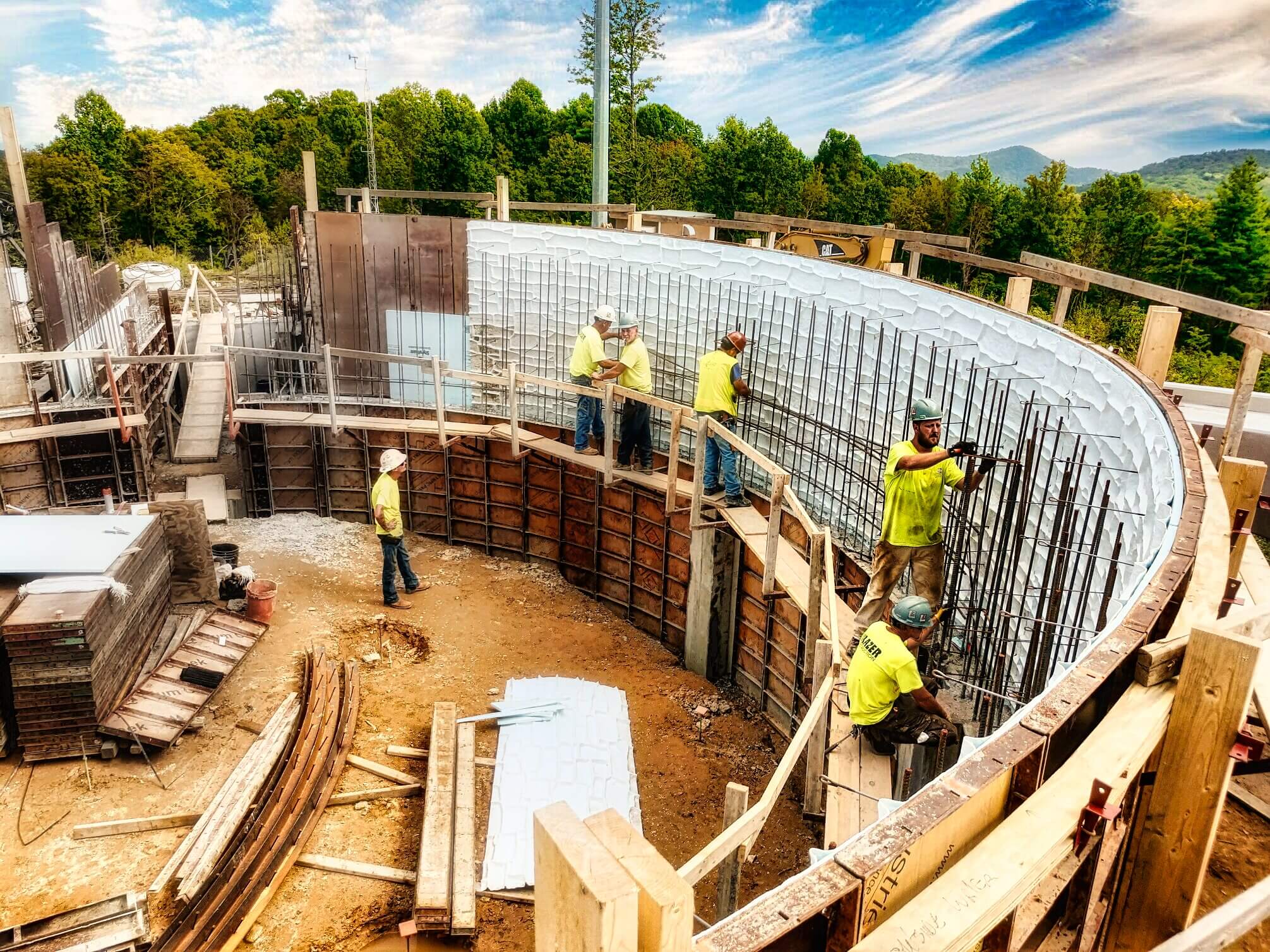
Decorative concrete is widely used across commercial, residential, and infrastructure construction projects. From architectural wall panels to textured flooring and structural facades, decorative concrete combines strength with visual design flexibility. However, working with decorative concrete materials exposes workers to physical hazards, chemical risks, and environmental dangers that require structured safety planning.
Safety in decorative concrete work is not limited to wearing protective equipment. It involves risk assessment, proper handling procedures, worker training, equipment inspection, and strict site safety management. Organizations involved in advanced decorative concrete manufacturing and installation, including Custom Rock, often emphasize that safety planning must begin before materials even arrive on site.
Decorative concrete processes commonly include mixing, pouring, forming, curing, cutting, grinding, polishing, and sealing. Each stage introduces unique safety concerns that must be controlled through engineering measures, administrative procedures, and worker awareness programs.
Understanding Hazards in Decorative Concrete Work
Decorative concrete work environments combine chemical exposure risks, airborne dust hazards, heavy equipment operation, and structural installation challenges. Workers are exposed to these hazards daily if safety controls are not implemented properly.
Concrete dust exposure is one of the most serious long term health risks. Fine silica particles can become airborne during cutting, drilling, or grinding operations. Without proper respiratory protection and dust suppression systems, long term exposure can damage lung tissue and create chronic respiratory conditions.
Wet concrete materials also contain chemical compounds that may irritate or burn skin. Long exposure without protective equipment can lead to serious skin damage. In addition, decorative concrete installations often involve lifting heavy molds, liners, and panels that can cause musculoskeletal injuries if handled improperly.
Custom Rock safety frameworks often focus on hazard recognition training to help workers identify risks early and take corrective action.
Silica Dust Exposure Risks
Silica dust forms during cutting, drilling, grinding, or polishing concrete surfaces. Workers must use dust extraction systems, wet cutting methods, and respirators. Long term exposure increases risk of respiratory illness. Engineering controls combined with proper protective equipment significantly reduce airborne particle exposure in decorative concrete work environments.
Chemical Contact Risks
Wet cement contains alkaline compounds that can damage skin and eyes. Workers should wear waterproof gloves, eye protection, and long sleeve clothing. Immediate washing after exposure reduces chemical burn risk. Training helps workers recognize early symptoms and respond quickly to prevent serious injury.
Structural and Equipment Hazards
Decorative concrete installations involve heavy form liners, molds, and structural panels. Improper lifting or positioning can cause crush injuries. Equipment safety planning includes mechanical lifting tools, proper rigging, and controlled movement zones. These steps help prevent accidents during installation and removal operations.
Safety in Decorative Concrete Work: Core Protocols
Effective safety in decorative concrete work requires multiple protection layers working together. These include engineering controls, protective equipment, site management procedures, and worker training systems.
Safety programs must address dust control, chemical exposure, fall protection, lifting hazards, and equipment operation. Companies such as Custom Rock support safety integration across design, manufacturing, and installation phases to improve overall job site safety outcomes.
Personal Protective Equipment Requirements
Protective equipment includes respirators, gloves, eye protection, steel toe boots, and protective clothing. PPE must match specific job hazards. Regular inspection ensures effectiveness. Workers must understand proper use, cleaning, and replacement schedules to maintain consistent protection during decorative concrete operations.
Site Safety Planning
Site safety includes hazard identification, emergency planning, and equipment inspection protocols. Daily safety meetings help workers understand job risks. Clear signage and restricted access zones protect workers and visitors. These measures reduce accident probability during decorative concrete installations.
Safe Material Handling Procedures
Handling decorative concrete materials requires proper lifting techniques and mechanical assistance. Workers should avoid lifting heavy molds manually. Storage areas must be dry, stable, and organized. Proper storage reduces slip hazards and prevents material damage.
Safety Considerations for Form Liners and Decorative Mold Systems
Plastic concrete form liners and urethane formliners are commonly used to create architectural textures and decorative patterns. These materials require careful installation and handling to maintain safety and product integrity.
Custom Rock technical recommendations often include detailed installation planning and worker training to reduce handling injuries and improve alignment accuracy.
Plastic Concrete Form Liners Safety
Plastic concrete form liners are lightweight but can become slippery when coated with release agents. Workers should use gloves and maintain stable footing. Proper storage prevents warping or damage. Safe removal procedures prevent sudden shifts during stripping operations.
Urethane Formliners Handling Safety
Urethane formliners are durable and flexible but heavier than plastic liners. Workers should use lifting support for large panels. Avoid sharp tools that may damage liner surfaces. Proper cleaning extends lifespan and maintains decorative quality.
Installation and Removal Safety Procedures
Form liner installation must follow alignment specifications. Misalignment increases structural defects and rework risks. Removal should only occur after curing requirements are met. Premature removal can damage structural surfaces and create falling hazards.
Safety in Tilt Up Construction Environments
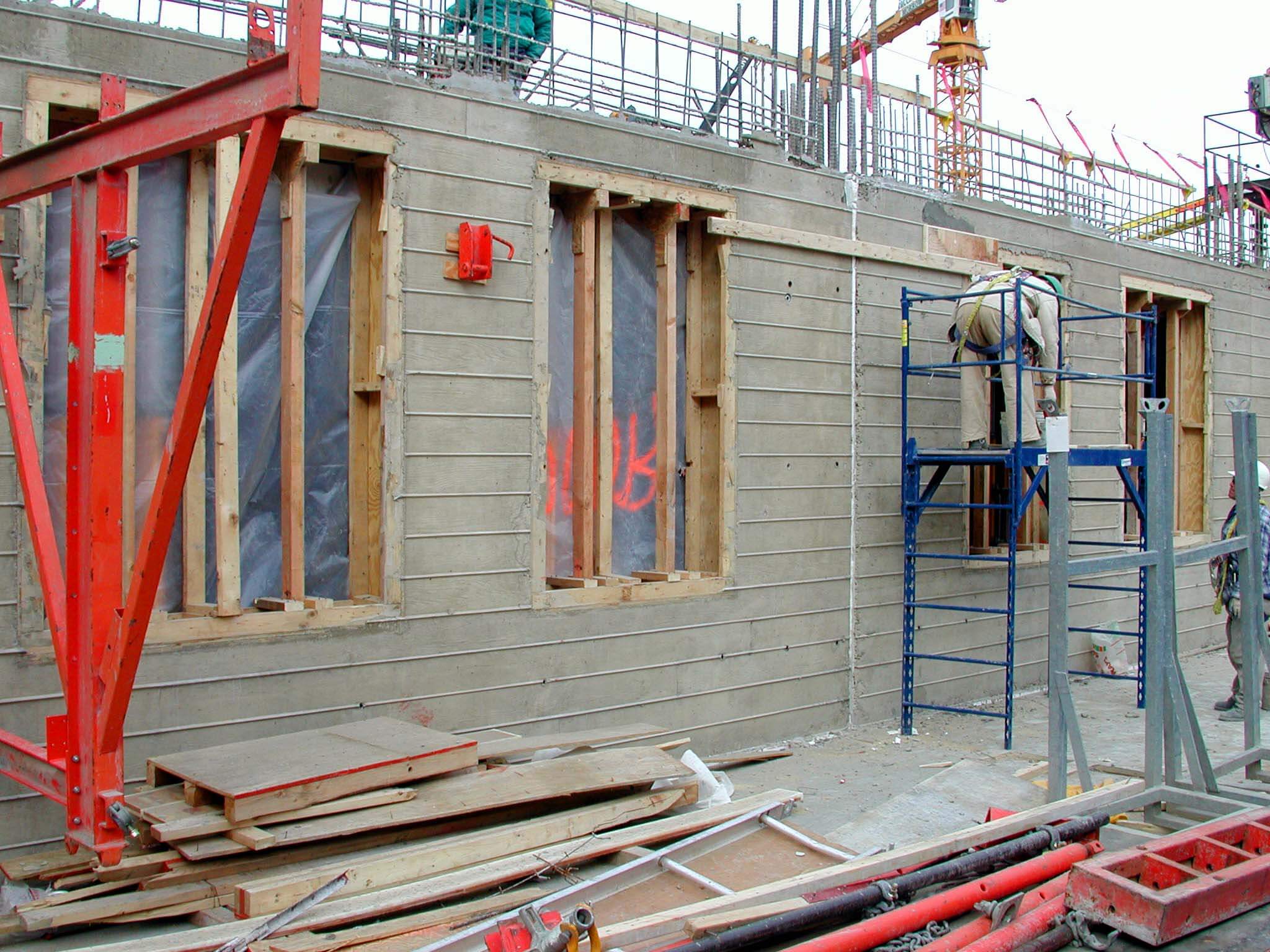
Tilt up construction allows large concrete panels to be poured horizontally and lifted vertically. This process improves construction speed but requires advanced lifting safety controls.
Custom Rock often supports tilt up construction projects through technical material design and safety planning support.
Panel Lifting Safety Requirements
Tilt up panels require crane coordination and rigging inspections. Workers must remain outside lifting zones. Clear communication between crane operators and crews is essential. Proper rigging reduces panel drop risk and improves placement accuracy.
Temporary Bracing Safety
Temporary bracing stabilizes panels during construction. Improper installation may cause collapse. Bracing must be inspected regularly. Weather conditions such as wind must be monitored to maintain structural stability.
Worker Positioning and Fall Protection
Workers installing tilt up panels often work at height. Fall protection systems reduce injury risk. Safe access routes must be maintained. Regular inspection ensures fall protection equipment remains functional.
Decorative Concrete Safety Risk Overview
| Material / Process | Key Risk | Safety Control | Required Equipment |
| Concrete Mixing | Dust inhalation | Wet mixing methods | Respirators, goggles |
| Form Liner Installation | Crush injuries | Mechanical lifting | Gloves, boots |
| Tilt Up Panel Lifting | Falling panels | Rigging inspection | Hard hats, harness |
| Surface Grinding | Silica dust | Vacuum extraction | Respirators |
| Chemical Sealers | Skin irritation | Controlled application | Chemical gloves |
Role of Training and Compliance in Decorative Concrete Safety
Training ensures workers understand hazard recognition, emergency procedures, and safe handling methods. Safety training must include practical demonstrations and real scenario exercises.
Custom Rock safety education programs often emphasize hands on training and compliance documentation.
Key Training and Compliance Focus Areas:
- Hazard identification and risk assessment before starting decorative concrete tasks
• Proper use, inspection, and maintenance of protective equipment
• Safe handling procedures for wet concrete, sealers, and chemical additives
• Dust control techniques to reduce silica exposure during cutting and grinding
• Safe installation and removal procedures for plastic concrete form liners and urethane formliners. - Tilt up construction lifting coordination and communication protocols
• Emergency response training including chemical exposure and injury response
Best Practices for Long Term Decorative Concrete Safety
Long term safety requires consistent monitoring and safety culture development across all project phases.
Custom Rock emphasizes integrating safety planning into project design and installation procedures.
Safety Culture Development
Safety culture encourages hazard reporting and protocol compliance. Leadership commitment improves safety performance. Strong safety culture reduces incidents and improves productivity.
Equipment Maintenance and Inspection
Routine equipment inspection prevents failures. Maintenance schedules keep tools safe. Documentation supports compliance and reduces liability risks.
Emergency Response Planning
Emergency plans prepare workers for unexpected incidents. Plans include evacuation routes, first aid response, and communication procedures. Emergency drills improve response efficiency.
Conclusion
Safety in decorative concrete work is essential for protecting workers, maintaining compliance, and ensuring project success. From protective equipment and site safety planning to safe handling of plastic concrete form liners, urethane formliners, and tilt up construction materials, every step requires careful planning.
Custom Rock supports safer decorative concrete applications through technical expertise, product engineering, and safety awareness support. Implementing strong safety programs reduces long-term risks and improves project efficiency.
For technical guidance, safety recommendations, or decorative concrete material support, contact us to learn more about safe decorative concrete practices.
FAQs
1. Why is safety in decorative concrete work important?
Decorative concrete involves dust, chemicals, and heavy materials. Safety protocols reduce injury and long term health risks.
2. What PPE is required for decorative concrete workers?
Respirators, gloves, safety glasses, protective clothing, and steel toe boots are commonly required.
3. Are form liners safe to use?
Yes, when installed and removed using proper safety procedures and lifting equipment.
4. What is the biggest health risk in concrete work?
Silica dust exposure is one of the most serious long term health risks.
5. How can companies improve decorative concrete safety?
Regular training, equipment inspection, PPE enforcement, and strong safety culture significantly improve safety.